What significant hurdle often impedes translating promising lab results from marine resources into viable treatments?
Answer
Difficulty of harvesting and cultivating organisms that grow slowly in controlled manners
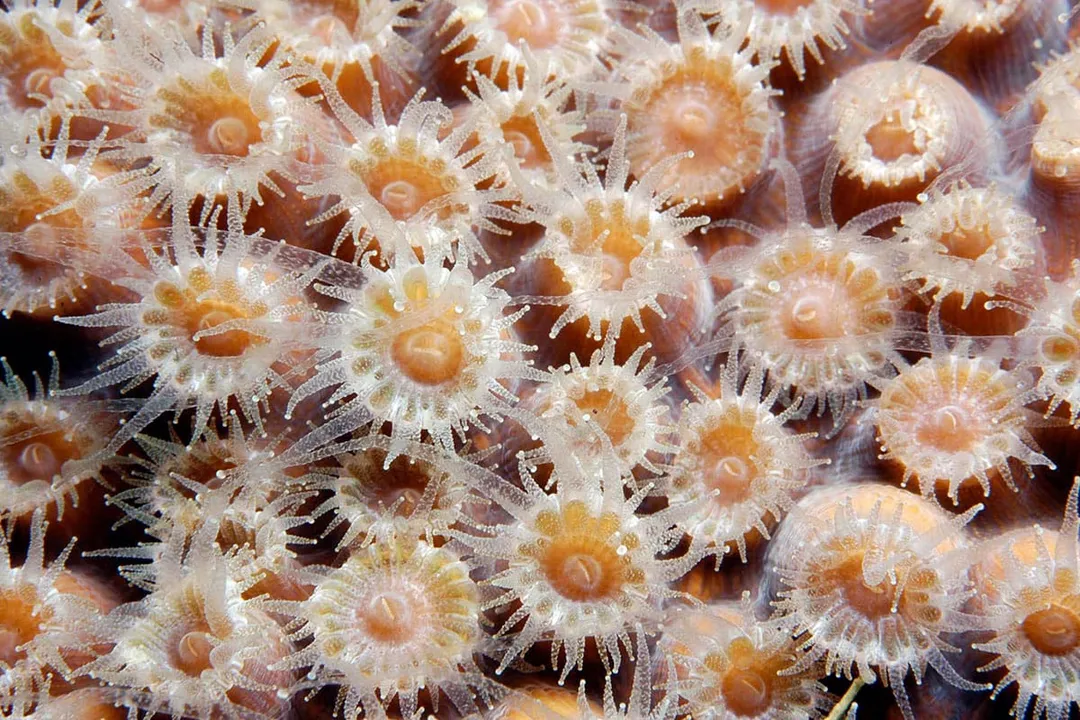
A major impediment in progressing from promising laboratory findings—like an isolated compound showing efficacy against cancer—to actual viable pharmaceutical treatments is the logistical challenge associated with the source organisms themselves. Many corals are characterized by extremely slow growth rates. This slow pace makes controlled cultivation or systematic harvesting for the necessary large quantities of raw material incredibly difficult. If the source reservoir is rare or geographically restricted, developing a drug based on wild collection becomes infeasible, creating a critical bottleneck in the translation phase of drug development.
Related Questions
Which specific sought-after compounds are scientists actively investigating soft sea corals to yield?What evolutionary pressure results in reef organisms producing complex, novel organic compounds?In drug development excitement, what is the primary focus compared to hard corals' high calcium content?What cutting-edge research method aims to ensure a stable supply of active ingredients without damaging slow-growing coral sources?What is the goal for biomedical research institutes systematically screening marine invertebrates like corals?How does the application of corals in traditional medicine systems inform modern pharmaceutical research?What significant hurdle often impedes translating promising lab results from marine resources into viable treatments?What two critical aspects must be examined during the deeper analysis moving a traditional remedy toward a regulated pharmaceutical agent?What characteristic of many compounds isolated from marine sources necessitates rigorous toxicological evaluation before human trials?How is preserving reef health related to pharmaceutical security according to the high-value resource perspective?