How long does coral rash last on skin?
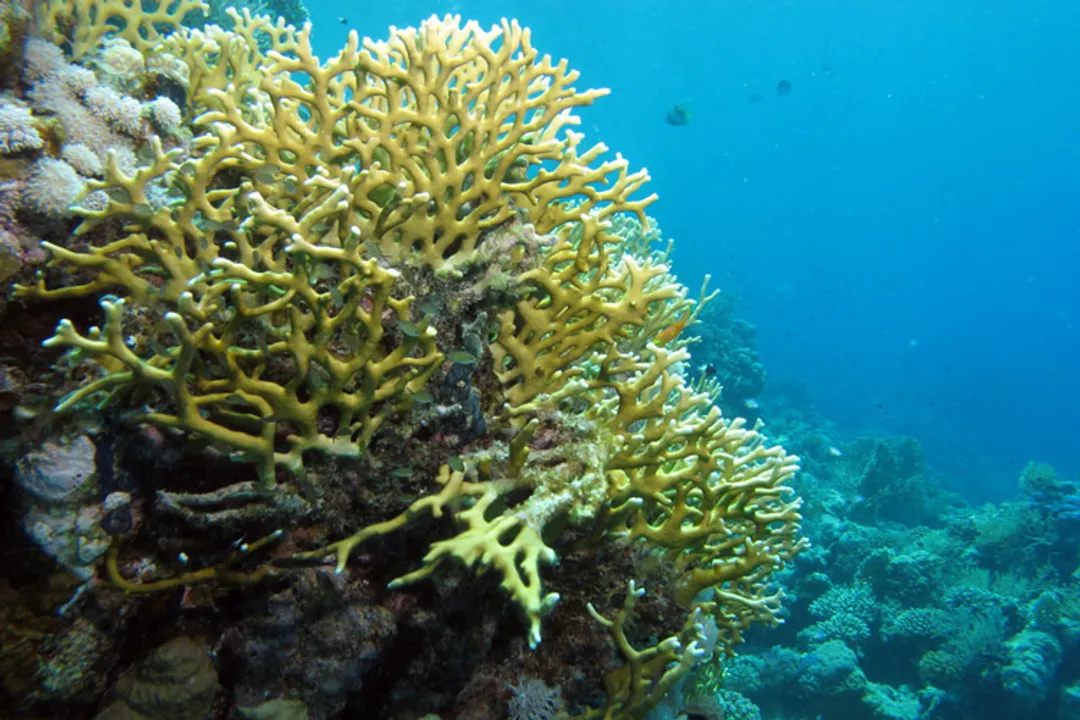
The time it takes for a rash resulting from contact with coral or related marine life to disappear is seldom a single, fixed number; instead, it exists on a spectrum influenced heavily by the source of the irritation, the depth of the contact, and subsequent care taken. [1][6] Understanding the initial injury—whether it was a true sting from a venomous organism like fire coral, a mechanical scrape against a sharp skeleton, or an allergic reaction to microscopic organisms like sea lice—is the first step in estimating the healing window. [3][5][6] Generally, mild rashes, often characterized by redness and minor itching following simple contact, might subside within a couple of days. [6] However, injuries involving stinging cells or deeper tissue penetration can extend the discomfort significantly, sometimes lasting weeks or prompting secondary complications. [1][5]
# Initial Injury Type
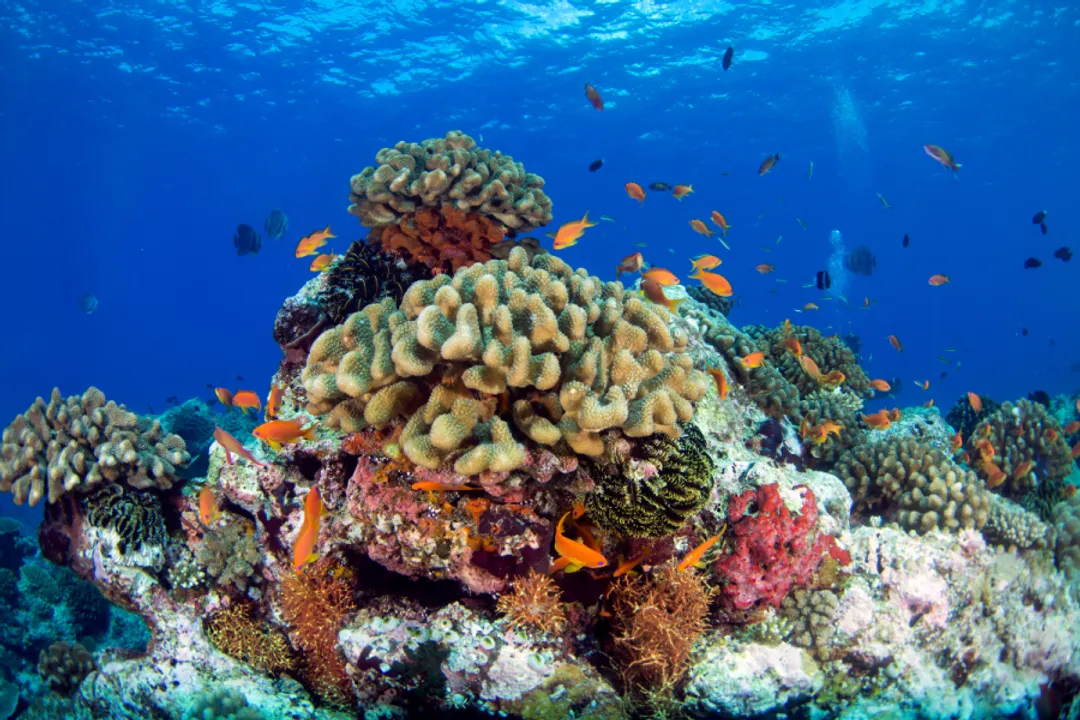
The differentiation between a mechanical injury and a venomous sting dramatically shifts the expected recovery timeline. Many underwater structures cause injury simply because they are sharp and abrasive, leading to cuts, scrapes, or abrasions on the skin. [1][9] These are puncture wounds or skin tears that must heal like any other wound, potentially taking days to weeks depending on size and location, and they carry the inherent risk of bacterial infection if not cleaned properly. [1]
In contrast, injuries from organisms like fire coral involve nematocysts—stinging cells—that inject venom upon contact. [6][8] The immediate reaction is often intense pain, burning, and the development of a rash or hives. [6][8] The immediate severity dictates the initial healing path. While the immediate stinging sensation might fade hours after treatment, the resulting skin reaction, the rash, can linger as the body processes the inflammatory response caused by the venom. [6]
It is also important to differentiate true coral injuries from reactions to other organisms encountered in the water, such as seabather's eruption, commonly known as sea lice stings, which present similarly as an itchy rash. [5] These reactions are caused by the larvae of jellyfish or anemones trapped in swimwear and can cause symptoms ranging from mild itching to severe blistering, with the duration highly dependent on how quickly the trapped larvae are eliminated from the clothing. [5]
# Duration Factors
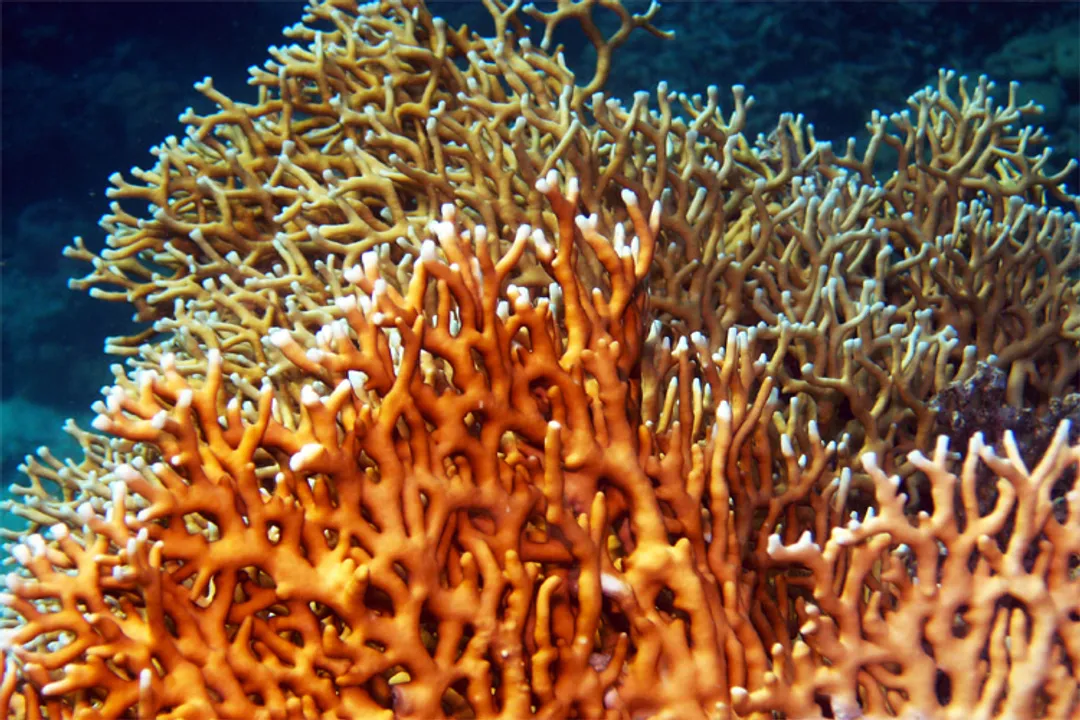
Several variables compress or extend the healing process following initial contact with coral or fire coral. One major factor is the completeness of the initial decontamination. If nematocysts remain embedded in the skin, the irritation can persist because the offending cells may continue to release toxins or cause ongoing mechanical irritation. [9] Effective treatment, such as rinsing with vinegar or using hot water immersion to denature the venom, aims to halt this ongoing insult, thus accelerating the healing clock. [1][6]
Another critical factor is the depth of penetration. A superficial brush that leaves a mild, localized rash will resolve much faster than an injury where the coral structure has embedded fragments into the deeper dermis, which can lead to prolonged inflammation or foreign body reactions. [1] Furthermore, secondary issues dictate long-term recovery. If the initial wound or rash becomes secondarily infected with bacteria, the duration shifts from a few days of simple irritation to the full course required to clear a bacterial infection, potentially involving antibiotics and weeks of recovery. [1]
A less obvious factor involves the individual's immune response. Some people report that certain types of rashes, particularly those with an apparent allergic component, seem to follow a pattern of resolving and then flaring up again days later, even without further exposure. [5] This recurrence suggests a lingering sensitivity or an ongoing low-level reaction that extends the overall time the skin appears compromised. It is insightful to consider that for these recurring rashes, the primary treatment goal shifts from immediately killing a toxin to calming an overactive immune memory, which requires a different approach than simply washing away venom. [5]
# Fire Coral Timing
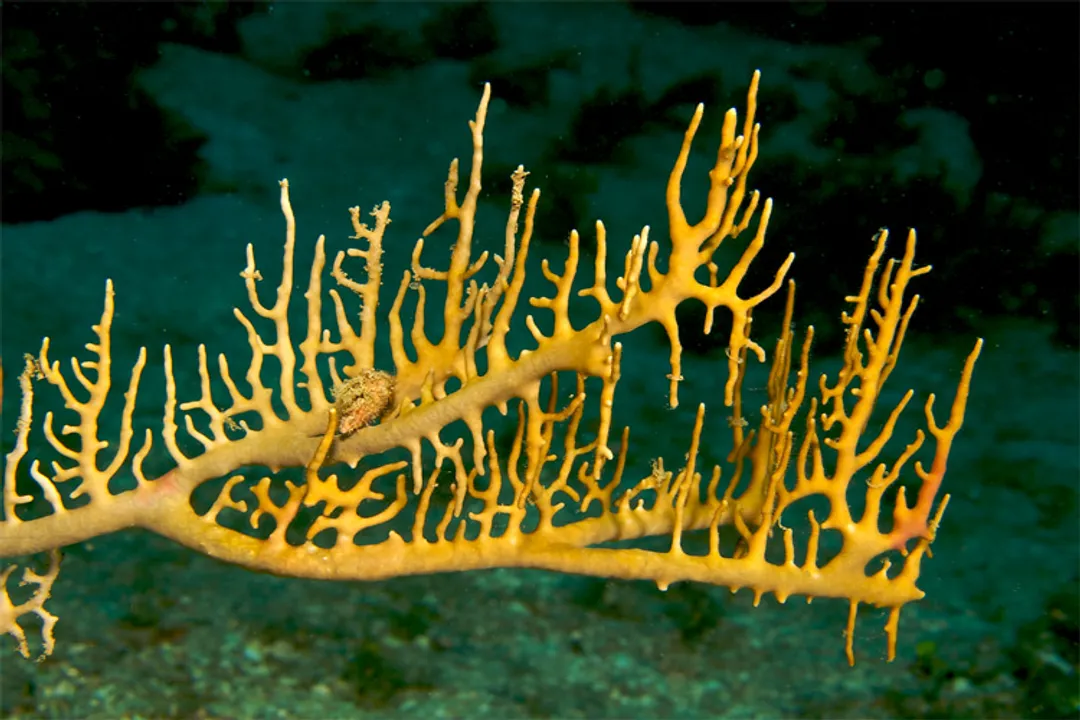
Contact with fire coral demands specific attention regarding duration because of its potent venom. [6][8] Immediately following the incident, intense pain and a visible rash or hive-like reaction appear, usually within minutes. [6] If prompt and correct first aid is administered—such as rinsing with seawater followed by neutralizing the stingers with vinegar or immersing the area in hot water (as hot as can be tolerated without causing a burn)—the acute pain should diminish significantly within 20 to 45 minutes. [6][9]
However, the resulting rash itself may take longer to fade completely. While the worst of the inflammation subsides in the first day or two, the residual redness, swelling, and minor peeling or blistering can last for several days to a week or more. [6] If deep penetration occurred, or if the victim experiences a more severe reaction involving systemic symptoms, the recovery period will necessarily be longer, possibly requiring medical intervention to manage pain and inflammation effectively. [8]
# Managing Prolonged Symptoms
When a rash or irritation persists past the expected timeline—say, more than a week for a seemingly minor scrape—it often signals that the healing process has been interrupted or complicated. One way to gauge if the initial healing phase was successful is to review the initial wound care. For instance, if the hot water treatment protocol was followed for a suspected sting, but the rash remains angry and painful after 72 hours, it suggests either inadequate heat application initially or a different underlying issue entirely. [6]
When dealing with persistent itching, a common lingering symptom, one practical self-assessment technique is to monitor the effect of over-the-counter antihistamines. If a standard oral antihistamine provides noticeable, albeit temporary, relief from the itching, it leans toward an inflammatory or allergic basis, suggesting the skin needs time for the hypersensitivity to subside, perhaps another week. [5] Conversely, if the discomfort remains sharp, throbbing, or worsens despite antihistamines, the concern shifts toward a deeper mechanical issue, like a deeply embedded particle or, more worryingly, a developing localized infection, which would require a completely different timeline dictated by bacterial clearance. [1]
# When Healing Stops
The critical turning point in assessing the duration of a coral-related skin injury is when the symptoms shift from being consistent with the initial insult to showing signs of secondary complication. Most uncomplicated rashes should show clear signs of improvement—less redness, reduced swelling, and lessened pain—within 48 to 72 hours after proper first aid. [1][6]
If any of the following indicators appear or worsen after that initial window, the expected duration is extended, and medical consultation becomes necessary:
- Increasing pain or throbbing that spreads beyond the immediate site. [1]
- Drainage of pus or thick, discolored discharge from the injury site. [1]
- Fever or chills, which signal a systemic infection. [1]
- The rash turning dark red or black, which can indicate necrosis or a severe secondary process. [1]
Injuries associated with toxins, like those from fire coral, might also lead to longer-term skin changes if the venom caused significant tissue damage initially. While the acute rash clears, localized changes in skin pigmentation or slight scarring can remain for months, even after the immediate threat has passed. [6] This is distinct from the initial rash duration but is part of the overall recovery window for the affected area.
In summary, while a minor coral scrape might resolve in three to five days if kept clean, a true fire coral sting's visible rash may take a week, and injuries complicated by infection can easily extend recovery beyond two weeks. The crucial element in keeping the duration short is immediate, aggressive, and appropriate first aid tailored to the mechanism of injury. [1][6]
Related Questions
#Citations
Coral Scrapes and Cuts - Divers Alert Network
Marine Stings and Scrapes in Teens: Care Instructions
Marine Stings and Scrapes | NorthShore - Endeavor Health
DELAYED DERMATITIS FOLLOWING INJURY CAUSED BY CORAL
Itching & rash go away & come back! | DAN Southern Africa
Fire Coral Cuts, Stings, Rash, Symptoms, Treatment & First Aid
Palytoxin Poisoning: Marine Aquarium Safety | SA Health
How to treat a fire coral sting - SurferToday.com
ASK DAN: How Do I Treat Injuries from Accidental Contact with ...