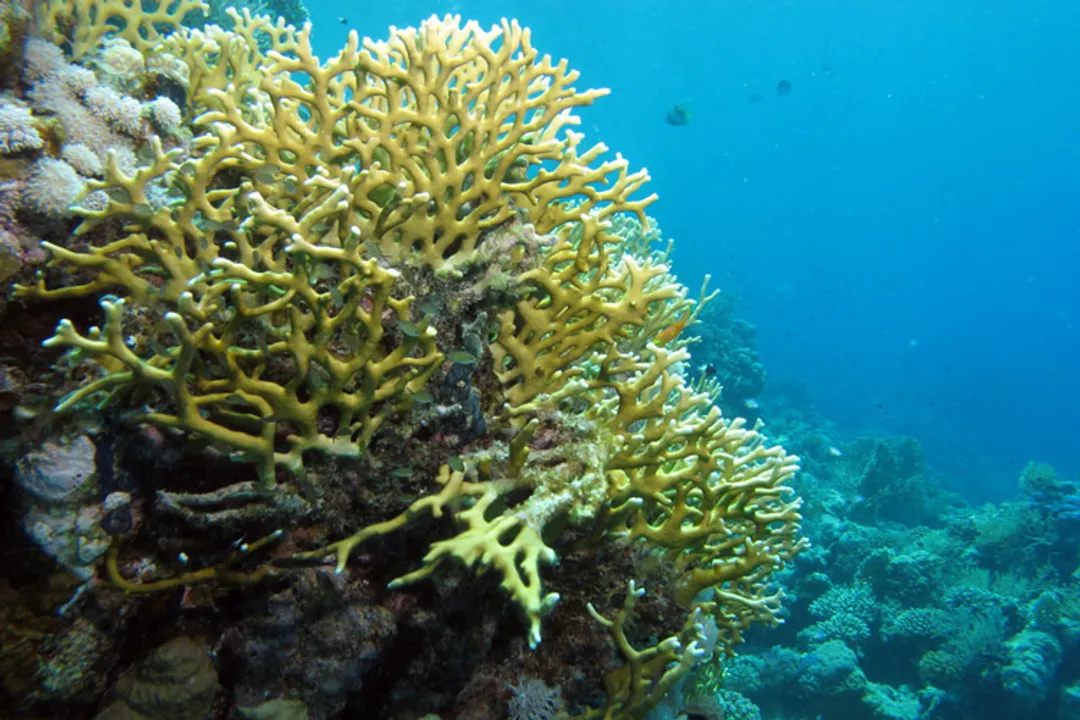
What ongoing issue persists if nematocysts from stinging cells remain embedded in the skin after initial contact?
The offending cells may continue to release toxins or cause ongoing mechanical irritation
A critical factor in determining the duration of irritation following contact with venomous marine life, such as fire coral, is the completeness of the initial decontamination. If the stinging cells, known as nematocysts, are not effectively removed or deactivated, they can remain embedded within the skin tissue. As long as these cells remain physically present and capable of function, they can continue to cause harm in two primary ways: either by continuing to mechanically irritate the tissue or, more significantly, by continuing to release their contained toxins into the surrounding dermis. This ongoing insult prevents the inflammatory process from beginning its resolution phase. Effective first aid, like using vinegar or hot water, is specifically designed to halt this continuous toxin release, thereby accelerating the healing timeline by stopping the source of the irritation rather than just treating the symptoms.