Does mold control really work?
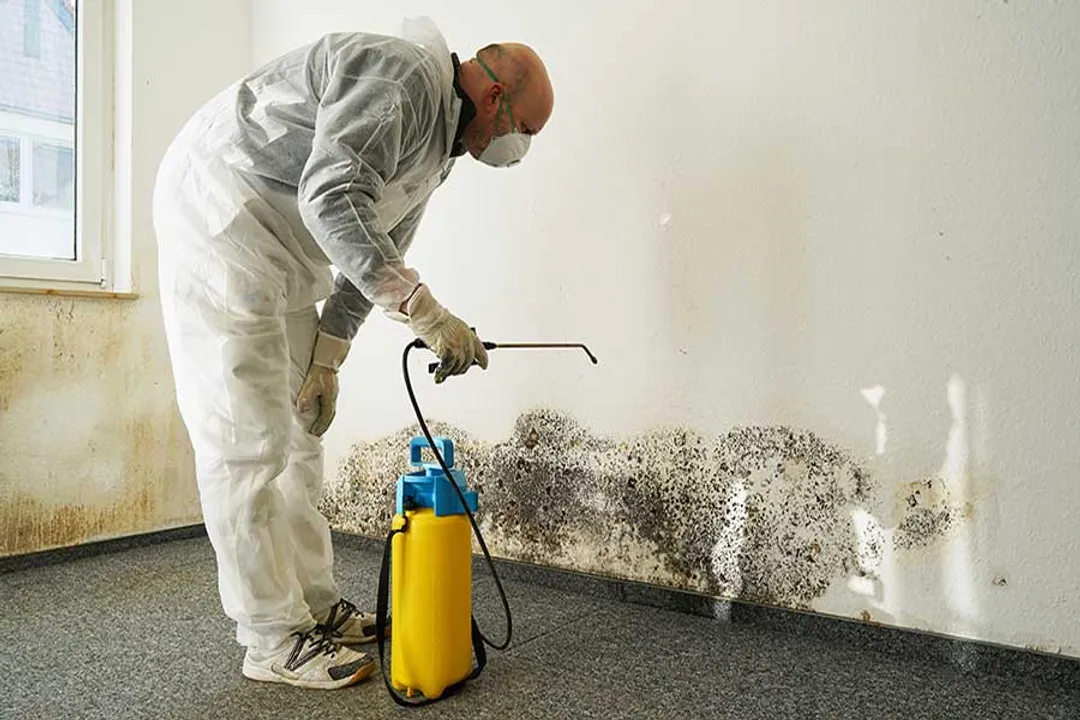
The skepticism surrounding whether over-the-counter mold control products actually deliver on their promises is perfectly understandable. When dealing with something as invasive and potentially harmful as mold growth, consumers need assurance that the solution applied won't just mask the problem or require immediate reapplication. The effectiveness of any mold control agent hinges less on the brand name and more on how the specific product is designed to interact with the fungus and, critically, what is done about the environment that allowed the mold to flourish in the first place.
# How Products Work
Many surface mold treatments, such as those designed for prevention and cleanup, operate on a specific chemical or physical principle. One common example cited involves a product that utilizes the drying process itself as the mechanism of action. This type of treatment is designed to penetrate the mold spore structure. As the liquid carrier evaporates from the surface, the remaining solution physically crushes the mold structure, effectively killing the spore.
This crushing action is distinct from simply using a harsh chemical that burns the surface. For instance, this specific method kills existing mold spores and aims to prevent future growth on non-porous surfaces after application. However, it is important to recognize a key distinction: while the product might successfully eliminate the live organism, it often does not remove the visible stain or discoloration left behind by the dead mold. Therefore, immediate cosmetic results might not match the underlying biological success.
# User Experience
Anecdotal evidence from DIY communities and consumer reviews suggests that these contact killers can be quite effective when used correctly, especially in areas like attics or on painted surfaces. Homeowners dealing with mold outbreaks in non-living spaces, such as attics, report success after spraying affected areas like wood framing or drywall with these solutions. Satisfaction often centers on the product’s ability to kill the visible mold and stop recurrence, assuming the moisture source is managed.
Contrast this with professional application techniques. For instance, fogging—releasing the product into the air via a machine—is often regarded by specialists as an inadequate approach for serious infestations. Fogging might only treat the surface mold it settles upon and fails to address the hidden or embedded growth often found within porous building materials. This suggests that for a product to "work," the application method must match the problem’s depth. A spray application that allows direct contact or penetration, followed by drying, seems to align better with the product’s advertised mechanism than airborne distribution.

# Moisture Control
The consensus among professionals and experienced contractors echoes a fundamental rule of mold remediation: Killing the mold is treating the symptom; eliminating the moisture source is treating the disease. If the damp conditions—whether from a leak, high humidity, or condensation—persist, the mold will inevitably return, regardless of how effective the initial spray treatment was.
This dependency on environmental control is crucial for judging a product’s success. A spray that keeps mold away for six months might be deemed successful if the homeowner simultaneously fixed a leaky pipe. Conversely, if the humidity remains unchecked, the same product might fail within a month, leading the user to conclude the product itself was ineffective. This difference in perspective—evaluating the product versus evaluating the overall remediation effort—often colors public perception of mold control agents.
For example, consider an attic scenario. A homeowner might find mold on the underside of the roof decking. They apply a mold killer, which kills the surface spores. If they neglected to address inadequate attic ventilation, which caused the condensation that fed the mold, the next humid summer will restart the growth cycle. The product worked as intended temporarily, but the overall control failed because the underlying condition was not addressed.
# Strategic Application
When planning a mold control strategy, it is helpful to think of it not as a single purchase, but as a sequence of necessary steps. The product you buy is only one component of that sequence.
If the mold is primarily cosmetic and surface-level, a treatment designed to kill spores upon drying can be highly effective as a final step after cleaning. However, for homeowners trying to decide between an inexpensive bleach solution and a specialized product, understanding the mechanism helps. While bleach might kill surface mold, specialized products like Concrobium aim for a different physical interaction that may offer a more lasting barrier if the environment stabilizes.
Here is a practical sequence that synthesizes professional advice and product function:
- Identify and Stop Moisture: This is non-negotiable. Locate the leak, improve ventilation, or install a dehumidifier to bring the relative humidity below 60%.
- Clean and Remove: Physically remove heavily contaminated, non-salvageable materials. For salvageable surfaces, clean off the visible growth first. Some products may require surfaces to be wet when applied, while others work best on clean, dry surfaces after the bulk material is gone.
- Apply Control Agent: Use the product as a post-cleaning treatment. If the product’s selling point is prevention, apply it after cleanup and drying to inhibit future spore germination. If the area is known to be damp occasionally, repeat applications might be necessary until the moisture issue is permanently resolved.
It is often overlooked that the very materials mold feeds on—wood, drywall paper—are porous. While a product might kill the surface mold, it cannot penetrate deep into wood framing to eliminate hidden colonies in the way that professional remediation, often involving material removal, can. Thus, the expectation for a spray on deeply embedded mold should be low; they are best suited for damp surfaces, sealed concrete, or areas that have been scrubbed clean of heavy biomass.

# Setting Realistic Expectations
The question of whether mold control really works has an answer that depends entirely on the definition of "work." If "work" means killing visible, surface-level mold spores and inhibiting new growth in a reasonably dry environment, then yes, quality products are designed to do exactly that via their intended application method.
If "work" means solving an ongoing water intrusion problem, then no product, spray or otherwise, will solve it alone. The best mold control measure is proactive maintenance that keeps surfaces dry. The chemicals on the shelf are tools for dealing with the consequences of a failure in the building envelope or mechanical systems, not replacements for fixing those failures. Evaluating their effectiveness means looking at the long-term recurrence rate in conjunction with your moisture management efforts. A treatment that buys you a year of clean walls while you wait for a contractor to fix the roof leak has absolutely worked within its practical limits.
#Videos
Concrobium Mold Control Review, How to Kill Mold - YouTube
Related Questions
#Citations
Concrobium Mold Control Review - Mold Removal
Found mold in my attic, sprayed with Concrobium. Doesn't seem to ...
Reviews for Concrobium 32 oz. Mold Control | Pg 1 - The Home Depot
Expert Answers on Concrobium Mold Control and Mold Remediation
Concrobium Mold Control Pro, Gallon, 625001 (2 Gallons)
Does Mold Removal Spray Really Work? - AdvantaClean
mold , and mildew - Professional Construction and Remodeling Forum
What mold remediation chemicals do you recommend? - Facebook
Concrobium Mold Control Review, How to Kill Mold - YouTube
Why Fogging For Mold is a Bad Idea - Indoor Science