How is the texture of Salal berries typically described when assessing their contribution to satiety?
Answer
Mealier
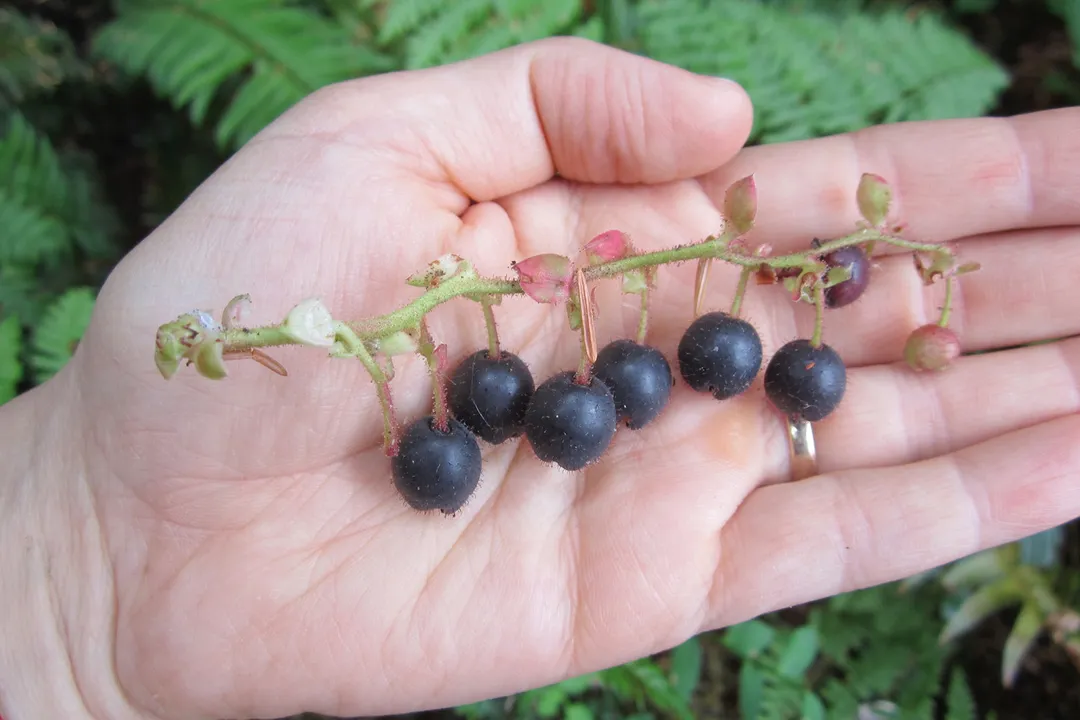
Unlike many other wild berries that are high in water content and might promote immediate elimination, salal berries are characteristically described as being notably mealier. This mealiness translates to a higher bulk or fiber content relative to their water content. Consuming a food with significant bulk often leads to a strong feeling of satiety and fullness. This characteristic aligns more with aiding healthy regularity through fiber intake rather than chemically forcing a laxative response, suggesting they contribute bulk to the diet.
Related Questions
What general digestive property is documented evidence for *Gaultheria shallon* decidedly moving away from?What functional action do tannins in Salal leaves impart, opposite of a laxative agent?What specific digestive ailment is a simple hot infusion or tea made from dried Salal leaves commonly used to treat?What negative digestive outcome may occur if the preparation made from Salal leaves is overused?How is the texture of Salal berries typically described when assessing their contribution to satiety?What beneficial effect on shelf life is observed when Salal berries are incorporated into mashed fruit leather with other berries?What traditional medicinal preparation involving Salal berries was historically used to manage colic?Which nearby native plant is specifically cited as having a known purgative effect that Salal lacks?What characteristic of the Salal shrub's thick, dark green leaves mirrors their medicinal astringent nature?What is the likely reason someone accustomed to a low-fiber diet might experience noticeable changes in transit time after eating dried Salal berry cakes?