What is the healthiest berry in the world?
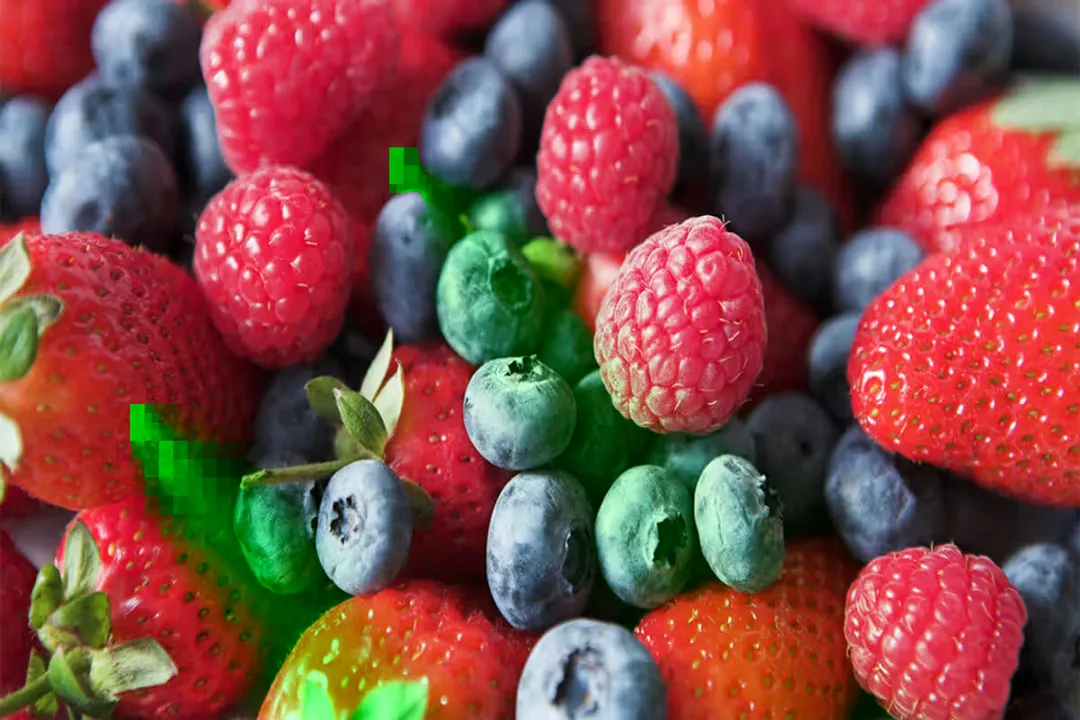
The conversation around which berry reigns supreme in the health arena is complex, as each small, colorful orb brings a unique collection of vitamins, minerals, and potent antioxidants to the table. Berries, in general, are celebrated as nutritional powerhouses, characterized by being low in calories while offering substantial amounts of dietary fiber, Vitamin C, and various antioxidant polyphenols. [1][5] These compounds are key in protecting your cells from free radical damage, which can contribute to chronic disease and signs of aging. [1][4]
# Essential Goodness
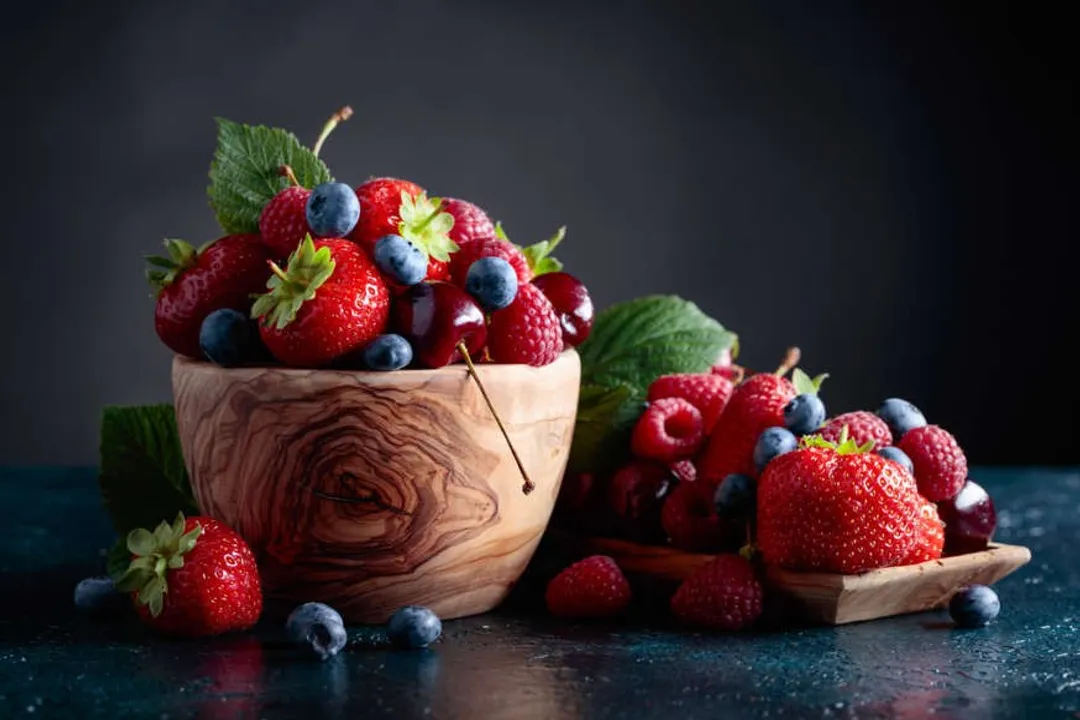
The collective benefits of incorporating berries into a regular diet are significant, particularly for cardiovascular health. Studies have shown that they can improve the function of your arteries and help regulate cholesterol levels. [1][4] Furthermore, adding berries to your routine may positively influence your body’s response to sugar, potentially improving insulin sensitivity and reducing sharp blood sugar spikes following high-carbohydrate meals. [1][4] For those managing weight, the high fiber content assists in slowing digestion, promoting a feeling of fullness, and ultimately supporting lower calorie intake. [1]
The common recommendation from experts is not to pick just one favorite, but to practice rotational eating. By switching up the types of berries you purchase, you ensure a wider spectrum of available health benefits, as each type possesses slightly different nutrient profiles. [1][3]
# Ripeness Preservation
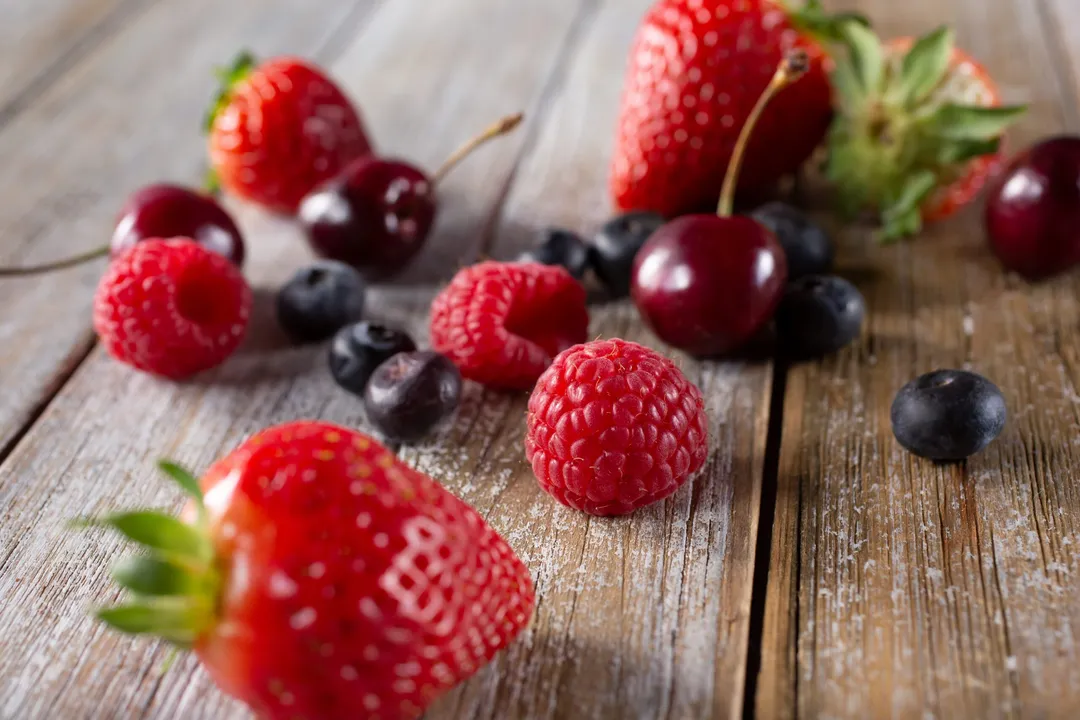
When considering how to consume these fruits, the method matters less than one might assume. While the conventional wisdom favors fresh produce, the reality is that fresh or frozen is better than dried. [3] When berries are picked to be frozen, they are typically harvested at peak ripeness, locking in their maximum nutritional value through a process called flash-freezing. In contrast, dried berries lose a significant amount of their beneficial phytonutrients and have their natural sugars concentrated, which is less ideal for blood sugar management. [3] A typical healthy serving size is generally around one cup, or about 100 to 150 grams, though this can vary based on the specific berry (e.g., a 3.5-oz packet of açaí puree serving).
It is important to note that while eating berries daily is encouraged, individuals on very low-fiber diets or those with specific allergies should exercise caution. [1]

# Berry Breakdown
Diving deeper reveals the unique strengths of the most commonly cited healthy berries.
# Blue Brightness
Blueberries are among the most recognizable "superfoods" and are frequently highlighted for their powerful antioxidant content, with some sources suggesting they contain the highest number of antioxidants among common berries. [1][2] They are excellent sources of Vitamin K and Manganese. [2][5] Their vibrant color comes from anthocyanins, powerful antioxidant plant pigments known to reduce oxidative stress. [2][4] Consuming blueberries has been linked to lowered LDL (bad) cholesterol, improved arterial function, and potential support for brain health as you age. [2][4] It's worth noting that blueberries do contain more sugar per cup (around 15 grams) compared to some other varieties, like raspberries. [3]
# Red Fiber
Raspberries are lauded for their exceptional fiber content—a single cup can provide around 8 grams—while remaining surprisingly low in sugar (about 5 grams per cup). [2][3] They are rich in ellagitannins, a type of antioxidant polyphenol that combats oxidative stress. [2] While regular red raspberries are highly beneficial, their cousin, the black raspberry, earns special recognition. Dietitians have suggested that black raspberries may be the most nutrient-dense of all berries, offering high antioxidant levels alongside good fiber and low sugar. [3] Studies on black raspberries have indicated they can reduce risk factors for heart disease and blood pressure. [5]
# Vitamin C King
Strawberries stand out as a top-tier source of Vitamin C. [2][4] A single cup can easily surpass the daily recommended intake for women, offering strong support for the immune system and collagen production. [4] Beyond Vitamin C, they supply folate (Vitamin B9) and potassium. [4] Though their GI impact is generally low, one study suggested that regular consumption of strawberries can improve endothelial function—the ability of blood vessels to relax and contract properly. [4]
# Tarter Power
Blackberries are often noted for being slightly overlooked but possess a potent nutritional profile, being high in both antioxidants and fiber, alongside Vitamin C. [1][4] They also contain beneficial minerals like magnesium and potassium, important for nerve regulation. An interesting point raised is that blackberries, having been less intensively cultivated than blueberries, might retain qualities closer to their wild ancestors. [3] If their natural tartness is too sharp, pairing them with sweeter fruits or using them in cooked items like crumbles helps balance the flavor.
# Exotic Nutrition
Moving to less common varieties, Açaí berries, native to the Amazon, have gained fame as being perhaps the richest in antioxidants, potentially containing up to 10 times more than blueberries. [2] They offer polyphenols, flavonoids, and procyanidins, supporting cardiovascular and nervous system health. [4] A major factor when considering açaí is its fragility; fresh berries oxidize rapidly after harvest, making them most commonly available as freeze-dried powder or puree. [2] Goji berries, another staple of traditional Asian medicine, are exceptionally high in Vitamin A and zeaxanthin, which are crucial for eye health. [1][4] They contain carotenoids, which function as antioxidants to fight inflammation. [4]
# Targeted Benefits
Not every berry needs to be the antioxidant champion; some offer specialized support. Cranberries are famous for their high concentration of proanthocyanidins, which actively prevent E. coli bacteria from adhering to the urinary tract walls, thus lowering the risk of UTIs. [4] They also contain Vitamins C, E, and K. [4] Furthermore, research suggests cranberry juice may inhibit the attachment of H. pylori bacteria in the stomach. [4] Bilberries, which are similar to blueberries, have shown potential in small studies to reduce muscle soreness after physical activity. [4]
If you are trying to maximize your intake of a specific nutrient, know that while blueberries boast the highest number of antioxidants, cranberries and blackberries are also noted for high antioxidant loads, and blackberries are relatively low in calories. [1]
| Berry | Key Differentiating Nutrient/Benefit | Sugar Profile Note |
|---|---|---|
| Blueberries | High Antioxidant Count, Anthocyanins | Higher sugar content per cup [3] |
| Raspberries | Excellent Fiber (8g/cup), Ellagitannins | Very low sugar [3] |
| Strawberries | Highest Vitamin C source | Low Glycemic Index [1] |
| Açaí | Highest concentration of antioxidants (claimed) | Earthy/tart flavor profile [4] |
| Cranberries | Proanthocyanidins (UTI prevention) | Very tart; often juiced (losing fiber) [3] |
| Goji | High Vitamin A and Zeaxanthin | Tangy flavor; usually dried [4] |
# Defining the Healthiest
If the title of "healthiest" implies the single greatest concentration of nutrients per unit of food, then the competition is very tight. While Açaí claims the top spot for antioxidant quantity, one expert named black raspberries as the most nutrient-dense overall, closely followed by blackberries and marionberries. [3] The takeaway here is that the goal should be diversity over singular focus.
This leads to an actionable approach: consider cycling your berry intake based on what is seasonally abundant in your region. For instance, in the late spring and summer, you have access to fresh strawberries, blackberries, and raspberries. [3] Utilizing these fresh options allows you to capture nutrients at their absolute peak, before the natural degradation that begins after picking. When those berries are out of season, transition to high-quality frozen options, which maintain their nutrient integrity better than dried alternatives. This ensures you continuously benefit from the unique anthocyanins of the dark berries, the high Vitamin C of strawberries, and the high fiber of raspberries throughout the year, rather than relying on one berry year-round.
Beyond eating them whole, think about preparation methods that enhance nutrient delivery. For instance, pairing Vitamin C-rich strawberries with spinach in a salad brings together different phytochemicals, creating a synergistic effect that neither fruit could achieve alone. [3][4] Similarly, when consuming tart cranberries, incorporating them into a sauce with warming spices like cinnamon or clove (as suggested in one source) not only makes them more palatable but introduces additional beneficial compounds from the spices themselves. This thoughtful pairing strategy optimizes the nutritional return on your small berry investment.
Related Questions
#Citations
The 8 Healthiest Berries You Can Eat - Healthline
The Top Five Healthiest Berries To Eat - Future Fit
Berry Good for Your Heart | Johns Hopkins Medicine
12 Healthiest Berries to Eat and Their Benefits - Dr. Axe
What's the most nutritious berry in the world : r/Berries - Reddit
The 5 healthiest berries you can eat - Iswari
Which Berries Are the Healthiest, and What Are the Benefits?