Is Swiss chard a laxative?
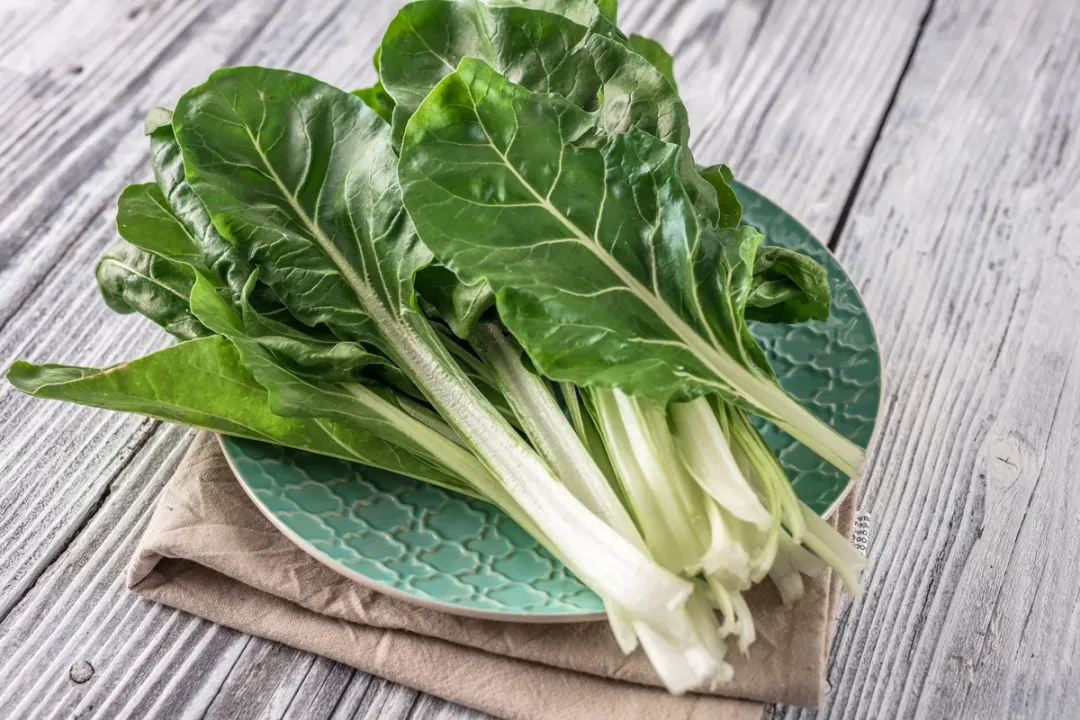
Swiss chard certainly enters the conversation when discussing foods that promote healthy digestion. This leafy green, belonging to the beet family, carries a quiet reputation as a natural remedy for sluggish bowels. [3] The ability of chard to act as a gentle laxative stems primarily from its dietary fiber content, which is essential for keeping the digestive tract moving and preventing issues like constipation and hemorrhoids. [1][4]
# Digestive Fiber
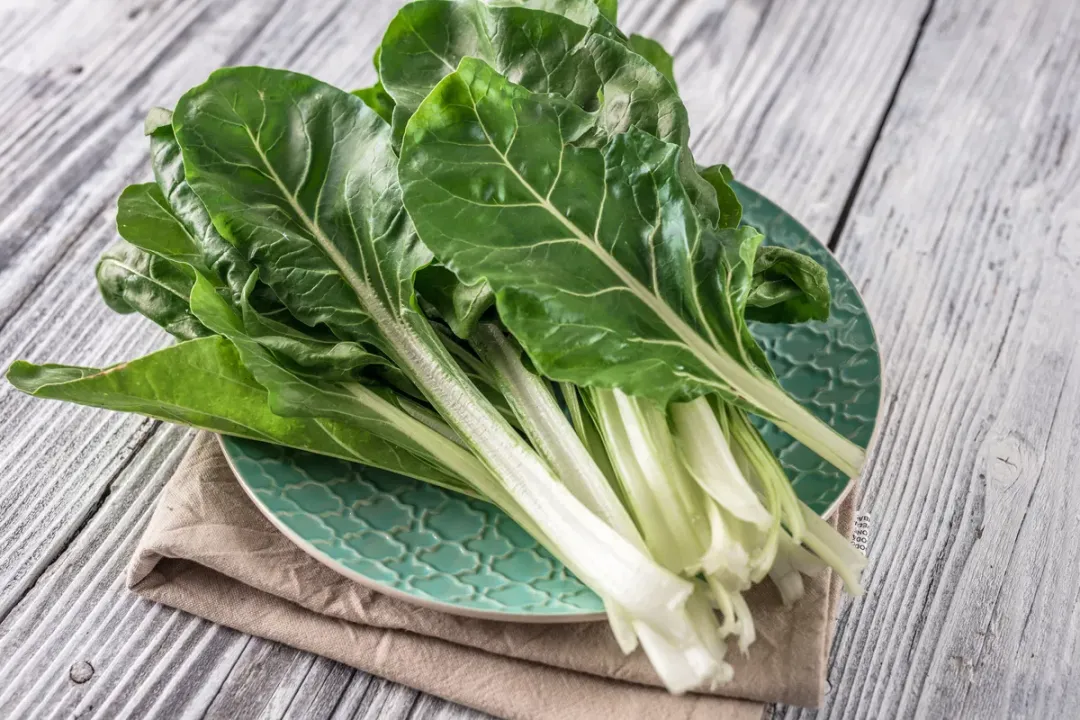
The key factor in chard's effect on regularity is its fiber. Fiber adds necessary bulk to the stool, helping it move through the intestines more smoothly. [1][4] When looking at the nutritional breakdown, the difference between the raw and cooked preparation is quite pronounced regarding this component. For instance, a single cup of raw Swiss chard contains about 1 gram of fiber, whereas the same volume measurement when cooked jumps significantly to around 4 grams of fiber. [1] This means that to achieve a noticeable difference in gut motility, consuming chard in its cooked form is often more effective than eating it raw, simply because the cooking process causes the vegetable to shrink considerably, allowing a larger quantity of the vegetable’s bulk-forming fiber to be consumed in one sitting. [1]
Beyond the physical bulk provided by fiber, Swiss chard contains vital minerals that support the digestive process. Specifically, it is a good source of magnesium. [1][4][5] Magnesium is known to help soften stools, which is critical for easier passage. [4] Furthermore, magnesium plays a role in nervous system function, which indirectly supports the regular coordination of bowel movements. [3] The vegetable also contains potassium, which assists in balancing fluid levels by promoting the removal of excess sodium through urine. [3]
# Nutrient Density
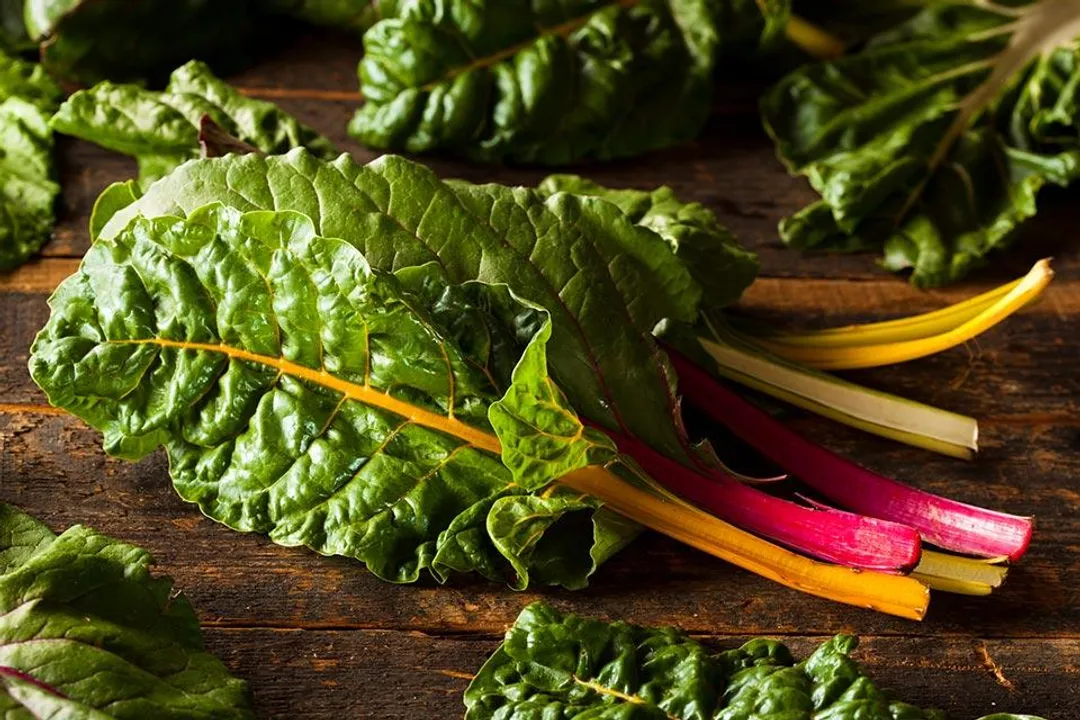
While we focus on the laxative aspect, it is important to recognize that chard offers much more than just bulk for the stool. It is recognized as a nutritional powerhouse. [5] For example, Swiss chard is exceptionally rich in Vitamin K, often supplying more than three times the recommended daily intake in just one cup. [1] This vitamin is crucial for blood clotting and bone matrix formation. [1][3] It is also packed with Vitamin A (via beta-carotene) and Vitamin C, along with other antioxidants like lutein and zeaxanthin, which support eye health. [1]
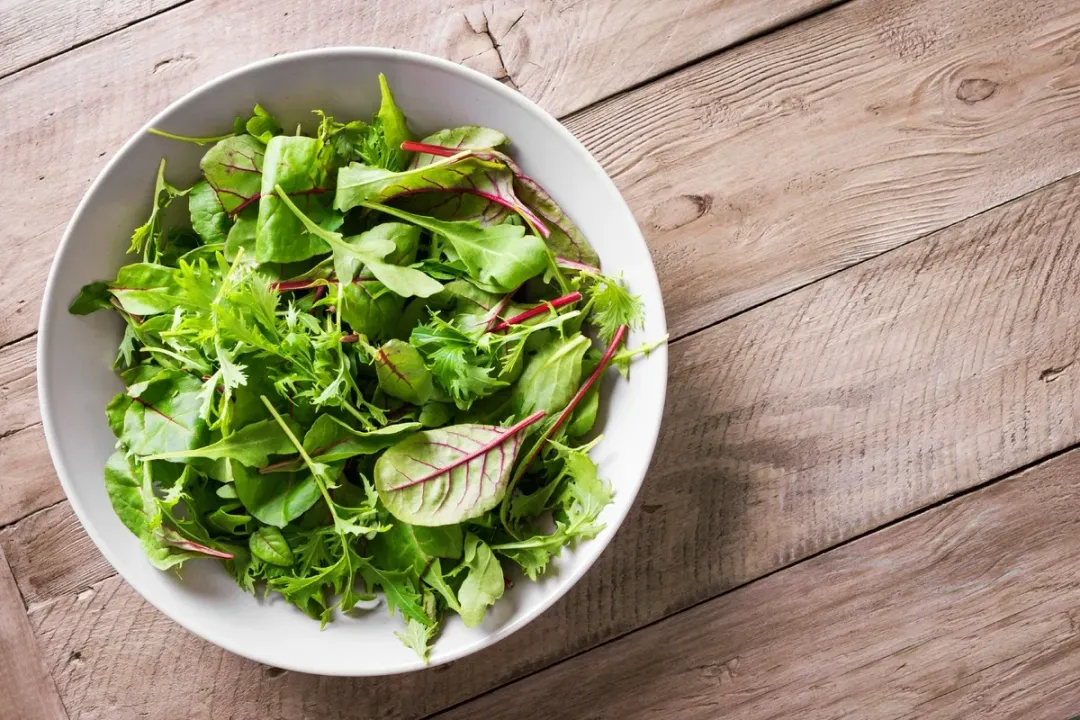
Considering the microgreen version of this vegetable, the concentration of nutrients can be even higher, with microgreens reportedly packing a more potent punch than their mature counterparts in terms of vitamins and minerals like magnesium. [5] If an individual is trying to increase their dietary fiber intake slowly as part of a routine habit, knowing that they get a higher concentration of supporting nutrients like magnesium and Vitamin K in the smaller volume of microgreens makes them an exceptionally efficient addition to salads or smoothies. [5]

# Preparation Methods
The way you prepare chard directly influences its digestive impact and overall nutrient absorption. As noted, cooking increases the practical fiber dosage per serving. [1] When preparing it, one can sauté the leaves and stems with garlic and olive oil, or wilt them into soups. [1]
Here is a practical thought for maximizing the digestive benefit: If you are aiming for regularity, consider steam-sautéing the chard rather than boiling it heavily. While boiling retains some benefits, over-boiling can leach water-soluble vitamins. [3] Steaming allows the leaves to soften and become juicy while retaining more of the structure that contributes to needed bulk, contrasting with raw consumption where the fiber structure is intact but the overall volume of fiber consumed might be lower. [5] For those who find the mature leaves slightly bitter, a squeeze of lemon juice—which is also known to contain pectin, a bowel-stimulating fiber found in many juicy fruits—can balance the taste in both raw and cooked preparations. [1][4][7]
# Gut Wellness
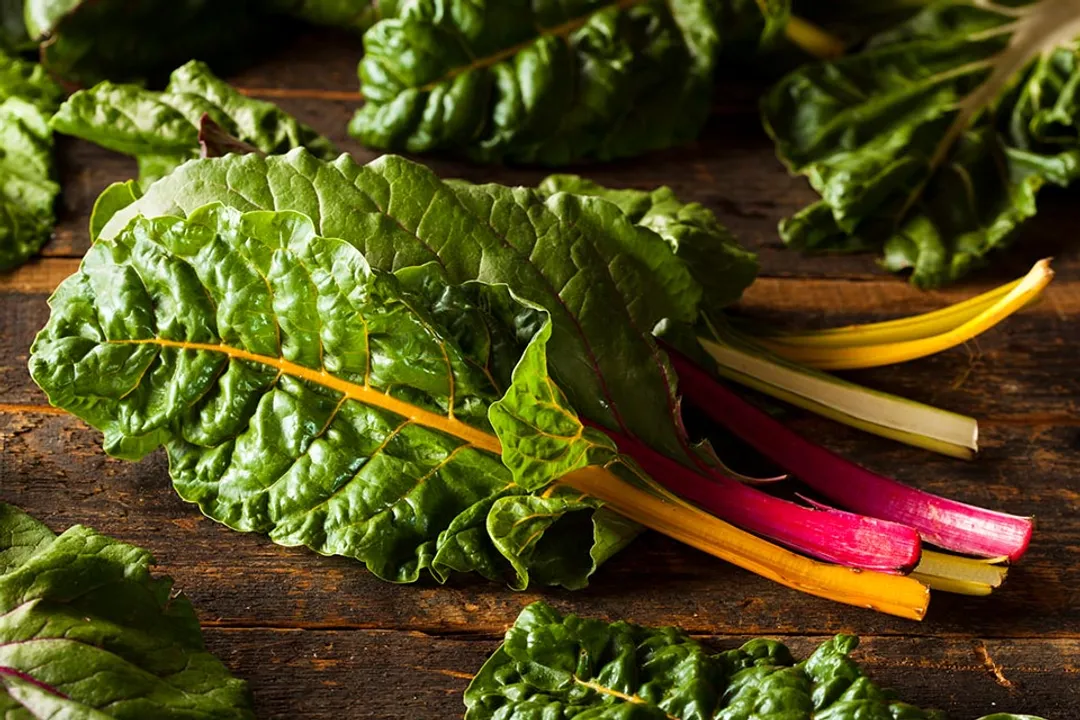
Swiss chard belongs on a general list of foods that support digestive health, standing alongside items like apples, berries, and oatmeal, all valued for their fiber content. [4][7] However, when comparing it to known, potent natural remedies—like prunes, which contain sorbitol alongside fiber—chard’s impact might be gentler. [7] This places Swiss chard perfectly in the category of a maintenance food. It is an excellent component of an everyday diet designed to keep you consistently regular, rather than necessarily being the immediate solution for acute, stubborn constipation that might require a stronger intervention, like prune juice or a stronger dose of seeds high in soluble fiber like flaxseed. [7] A healthy, consistent intake helps maintain appropriate gut acidity and regular cleansing of the tract overall. [5]

# Cautions and Considerations
While chard generally promotes good gut health, it does come with specific caveats, particularly for certain individuals. For those prone to kidney stones, chard should be approached with caution because it contains oxalic acid, which can encourage stone formation. [3] Furthermore, because the vegetable is naturally high in Vitamin K, which is vital for blood clotting, individuals taking anticoagulant medications like warfarin must maintain a steady intake of chard. [1] Sudden large increases or decreases in Vitamin K consumption can affect how these medications work, so consistent, moderate consumption is the recommended path forward for users of such drugs. [1] It is always wise to remember that overall dietary pattern, rather than focusing on single foods, dictates long-term health outcomes.
In summary, yes, Swiss chard can function as a laxative due to its fiber and magnesium content. [1][4] Eating it cooked makes achieving a significant fiber dose easier. [1] For most people, incorporating this nutrient-dense green into a varied diet supports overall digestive regularity without causing the abrupt effect associated with pharmaceutical laxatives. [4][7]
Related Questions
#Citations
Chard: 10 Health Benefits, How to Eat & Recipes - Tua Saúde
15 Foods That Are Natural Laxatives - The Healthy @Reader's Digest
[PDF] Health Benefits of Swiss Chard
Swiss Chard Microgreens: Health Benefits and Nutritional Facts
10 Local Foods for Constipation Relief & Improved Gut Health
Swiss chard: Possible health benefits, uses, and risks
Food of the Month: Swiss Chard | Denver Health Medical Plan