Are thimble berries good for you?
Thimbleberries, often recognized by their bright red color and distinctive, thimble-like shape, represent a delightful find for foragers and health-conscious eaters across Western North America. While they are commonly called berries, botanically speaking, they are aggregate fruits composed of many tiny drupelets, much like raspberries or blackberries, rather than true berries. Their appeal stems not only from their appearance when ripe but also from a variety of potential nutritional attributes and historical uses that suggest they are indeed good for you.
# Plant Identity
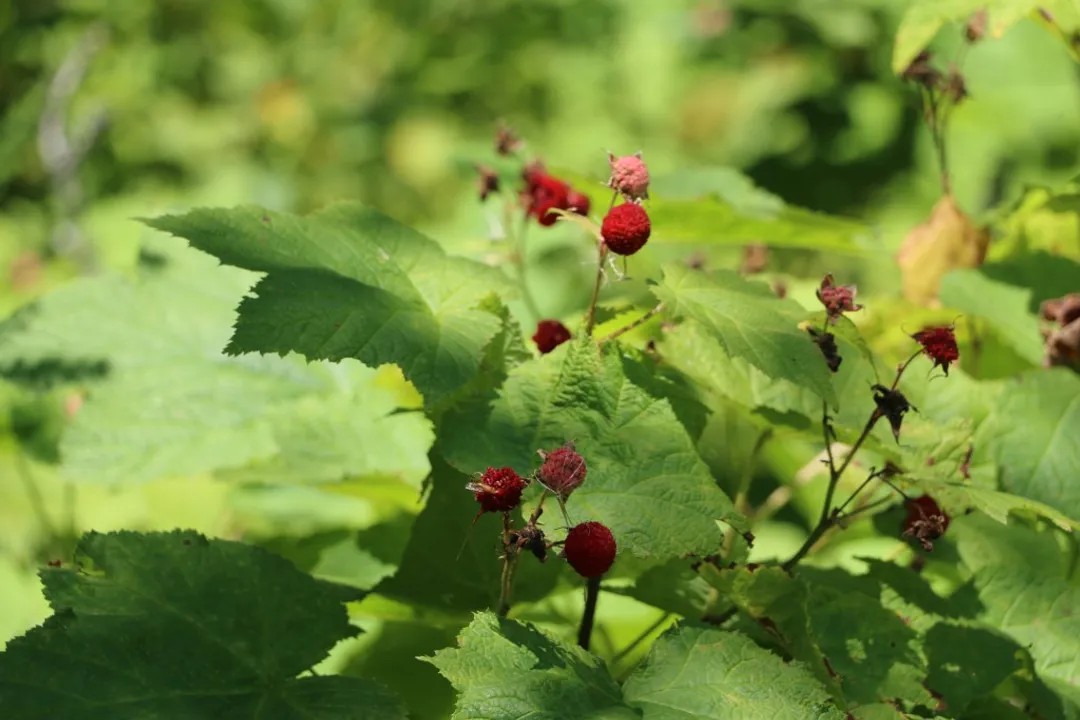
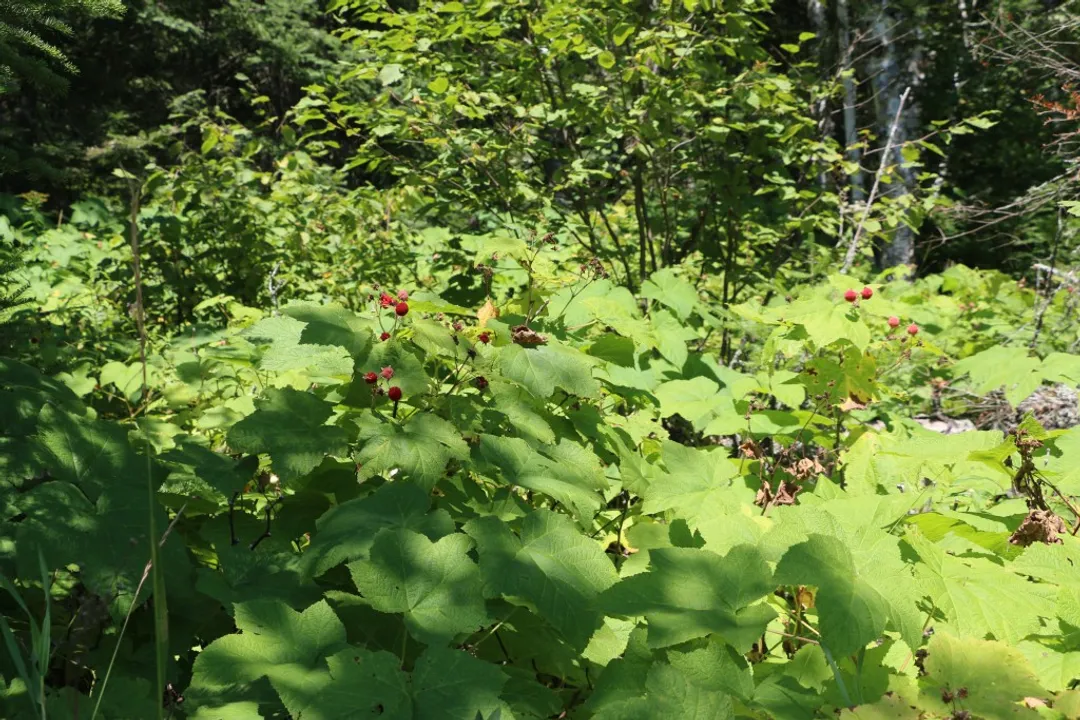
The plant responsible for these sought-after fruits is Rubus parviflorus. A key identifying characteristic that sets the thimbleberry apart from many of its thorny relatives in the Rubus genus is the distinct lack of prickles or thorns on its stems. The leaves are large, often resembling those of a maple tree, and the undersides can feel fuzzy or velvety. These plants typically thrive in moist, shaded areas, frequently populating the understory of forests, particularly in the Pacific Northwest and regions like the Sierra Nevada. When foraging, understanding that the fruit structure is hollow after picking, similar to a raspberry, helps confirm identification.
# Flavor Profile
The sensory experience of eating a thimbleberry is what often determines its popularity. The flavor is frequently described as mildly sweet and tart. However, the exact taste can be highly variable depending on ripeness and location. Underripe fruit might taste noticeably astringent or lack the desired sweetness. Ripe ones, however, offer a refreshing burst of flavor that encourages eating them fresh off the bush.
While delicious raw, thimbleberries are also excellent candidates for preserving due to their texture and moisture content. They work wonderfully in jams, jellies, and syrups. When thinking about how to best use them compared to other soft summer fruits like cultivated raspberries, thimbleberries' slight tartness makes them pair exceptionally well with sweeteners in baking or when reduced into a thick sauce for desserts. Their unique flavor profile means they hold up well against other ingredients without becoming completely masked, unlike some intensely sweet wild fruits.

# Key Nutrients

From a nutritional standpoint, thimbleberries contribute several beneficial components to the diet. They are noted for being a good source of Vitamin C. Additionally, they contain essential minerals such as calcium and iron. Given their vibrant red hue, it is no surprise that they also pack a punch in terms of plant compounds. Specifically, they contain anthocyanins and ellagic acid, which are powerful antioxidants associated with various health-supportive properties. Furthermore, like many berries, they are a source of dietary fiber, aiding in digestive health. While specific quantities for these nutrients can fluctuate based on growing conditions, the presence of these compounds confirms their value as a nutritious food source.
# Traditional Remedies
Long before modern nutritional analysis, indigenous communities recognized the value of the entire thimbleberry plant, not just the fruit. Various parts of the plant have been traditionally prepared for medicinal reasons. For example, a decoction made from the root or the bark was sometimes used for specific therapeutic purposes.
The leaves, in particular, have a history of preparation, often steeped to make a tea. Some traditional practices suggested using these leaf infusions for feminine hygiene concerns or to help with minor digestive upset. This utilization of leaves and roots demonstrates a deep understanding of herbal medicine, where different parts of the plant yield different properties. While modern science continues to investigate these traditional uses, the historical documentation confirms the plant's established role in traditional wellness practices across native cultures.
# Identification Rules
When seeking out thimbleberries, accurate identification is the most critical step to ensure safety and enjoyment. Since they grow alongside numerous other wild plants, knowing the key identifiers is essential. The absence of thorns on the stem is perhaps the most immediate giveaway for Rubus parviflorus. Compare this mental note with other wild edibles you might encounter; for instance, if you are near brambles with prickles, you are likely looking at a different species.
Look for those large, velvety leaves—they are much bigger than the leaves of a typical cultivated raspberry. The fruit itself ripens to a bright, attractive red. While some online discussions about identifying wild berries often show a mix of fruits, if you find a berry that perfectly matches the description—red, thimble-shaped, aggregate, no thorns, and large, soft leaves—you have likely found a safe, edible thimbleberry. If any doubt remains after checking these characteristics, adhering to the adage of never consuming a wild plant unless you are 100% certain of its identity is the safest course.
If you happen to be foraging in the wetter, coastal regions of the Pacific Northwest, keep an eye out for these plants growing near streams or in partially shaded clearings, as this habitat preference can help narrow down the search area. This geographic context can be a helpful secondary clue when you are out in the field.
# Culinary Value Comparison
Considering thimbleberries as a regular part of your diet involves weighing their unique texture against more common berries like cultivated strawberries or blueberries. Unlike some berries that hold their shape extremely well after freezing and thawing, the slightly delicate structure of the thimbleberry means that its texture can degrade more rapidly when frozen for long periods. This observation suggests that when harvesting a large haul, prioritizing immediate use in cooked applications like sauces or jams, or dehydrating them, might yield better results than long-term frozen storage for fresh eating. This preference for immediate processing or cooking highlights an authentic element of wild foraging—adapting consumption methods to the specific characteristics of the plant you have found.
These fruits are more than just a seasonal treat; they offer a tangible connection to the native flora of the region, providing fiber, vitamins, and antioxidants. Whether you eat them fresh on a hike, turn them into a vibrant jam, or simply appreciate their traditional significance, thimbleberries certainly hold their place as a beneficial natural food source.
Related Questions
#Citations
Thimble Berries Information and Facts - Specialty Produce
Thimbleberries are Good and Good for You - Boundary Waters Blog
Medicinal uses of native plants - Lake Wilderness Arboretum
Native thimbleberry plant benefits and uses - Facebook
Thimbleberry - Sierra Club BC
The Therapeutic Benefits of Wild Thimbleberry: A Forager's Guide to ...
Help me identify these wild berries! Are they safe to eat? : r/Portland
Thimbleberry - healing herbs - Herbs2000.com
5 Health Benefits for Thimbleberry - WION