What does juniper berry do for the body?
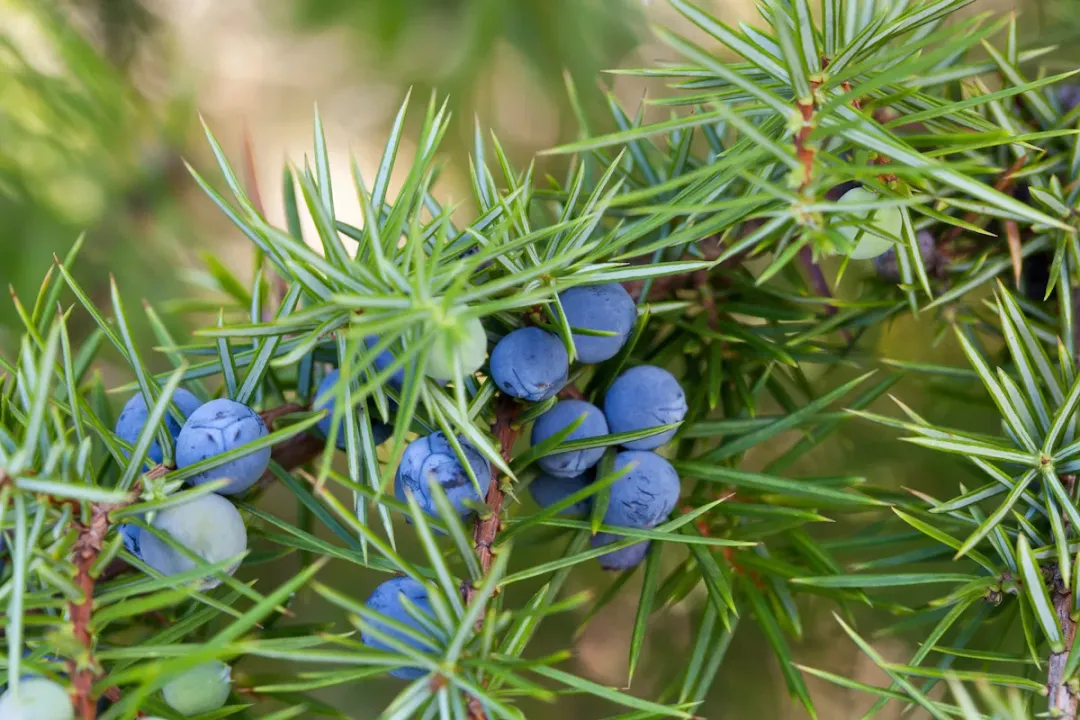
The small, dark blue spheres known as juniper berries carry a surprisingly potent profile, making them famous in the culinary world—most notably as the defining botanical in gin—but also historically relevant in traditional medicine systems worldwide. [1][6] These are not true berries at all, but rather the seed cones of the Juniperus communis shrub, which mature over two to three years. [3][6] To understand what these cones actually do for the human body, one must look past the flavor and delve into their complex chemistry, which includes essential oils and powerful antioxidants. [1]
# Botanical Identity
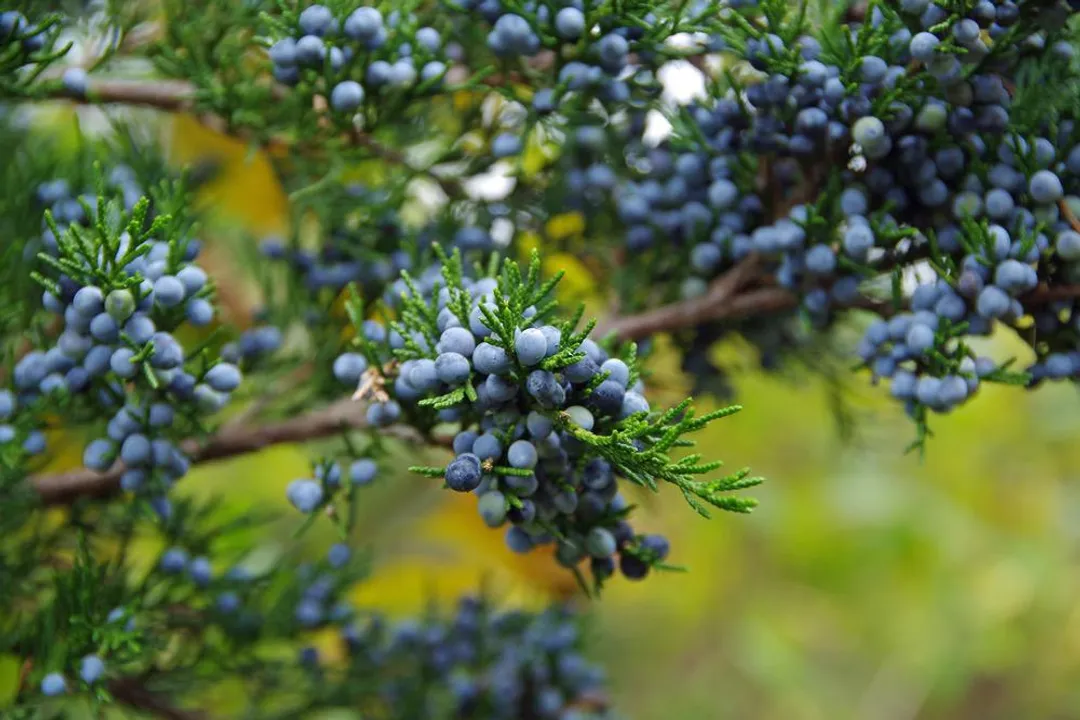
Juniper berries are the mature cones of the juniper tree, often appearing dark blue or purplish-black when ripe. [6] While they are commonly called berries, botanically speaking, they are woody cones that soften with age and are harvested for consumption or extraction. [6] They grow on evergreen shrubs and trees belonging to the Juniperus genus. [3] Their presence in traditional remedies spans many cultures, indicating a long history of perceived therapeutic value. [6]
# Flavor Profile
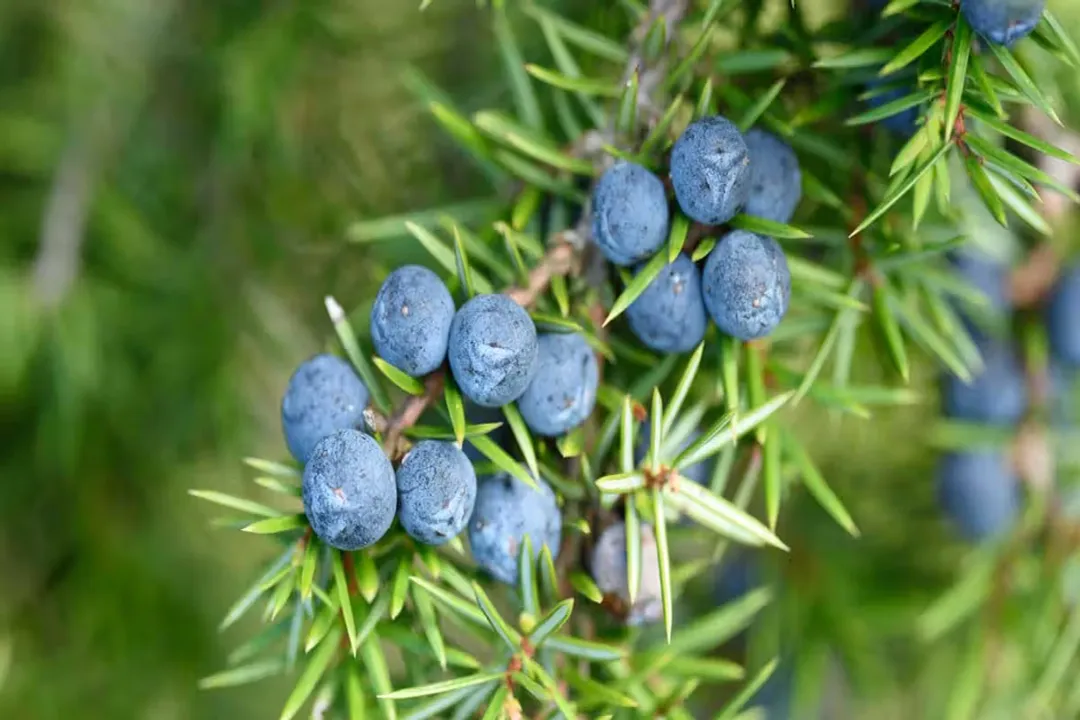
For most modern consumers, the primary interaction with juniper is purely sensory. They impart a sharp, distinctive, and slightly piney flavor, often described as peppery or resinous. [6] This unique taste makes them indispensable in flavoring certain meats, stuffings, and sauces, but their most famous application remains in the distillation of gin, where they provide the characteristic, slightly bitter backbone of the spirit. [1][6] The flavor comes largely from the volatile oils contained within the seed cone. [6]

# Key Compounds
The functional properties attributed to juniper berries stem directly from their chemical composition. They contain essential oils, which include compounds like pinene, sabinene, and myrcene. [1][6] Beyond these volatile aromatics, the dried berries themselves offer nutritional value, acting as a source of Vitamin C and Vitamin K. [1] They also supply various antioxidants, such as flavonoids and terpenoids, which are compounds known for their ability to protect cells from damage. [1] Furthermore, analysis shows they contain minerals like iron, calcium, magnesium, and potassium, though the quantities consumed in typical culinary use are generally too small to significantly impact daily mineral intake. [1]
# Urinary Support
Perhaps the most historically cited medicinal application of juniper berry relates to the urinary system. [2][6] The berries, particularly when consumed as a tea or infusion, have long been employed as a diuretic. [1][2][6] This means they are believed to increase urine output, which can, in theory, help flush the system. [2] This property led to their traditional use in managing issues like urinary tract infections (UTIs), water retention, and general kidney or bladder discomfort. [2][6]
It is essential to contrast this traditional use with current safety knowledge. While promoting fluid flow is a known action, high or prolonged consumption of juniper berries or their extracts carries a serious risk of nephrotoxicity—damage to the kidneys. [1][2][6] This presents a common challenge in herbalism: a substance that is beneficial in small, controlled doses can become toxic at higher levels or with chronic use. [6] Any plan to use juniper specifically for urinary support should involve strict moderation and professional guidance, given the documented risk of kidney injury when used excessively. [1][2]

# Digestive Effects
Beyond renal support, juniper berries have found a place in supporting gastrointestinal comfort. [2][6] Historically, they were used to help soothe digestive complaints such as bloating, gas, and general stomach upset. [2] The volatile oils present in the berries may stimulate the appetite and aid in overall digestion when used appropriately, often in small amounts as a spice. [2][6]
When looking at the essential oil derived from the berries—a far more concentrated product—these digestive benefits can sometimes be sought through aromatherapy or topical application, as the aromatic compounds can influence feelings of relaxation and ease discomfort, indirectly supporting digestive calm. [7] However, ingesting the essential oil is highly discouraged due to extreme concentration and toxicity risks, which is a critical distinction between using the dried spice and the extracted oil. [7]
# Antioxidant Power
The body constantly battles damage from unstable molecules known as free radicals, a process linked to aging and various chronic diseases. [1] Juniper berries are recognized as containing significant antioxidant capacity due to the presence of flavonoids and other phytonutrients. [1] By neutralizing these free radicals, the antioxidants found in the berries may contribute to reducing oxidative stress within the body and potentially lessening chronic inflammation. [1] While this is a general benefit associated with many potent plant foods, the specific profile of juniper suggests a meaningful contribution to cellular defense mechanisms when consumed as part of a varied diet. [1]

# Essential Oil Applications
The high concentration of essential oils in juniper berries allows for applications that go beyond simple ingestion. The essential oil is often used in aromatherapy, valued for its grounding and woodsy scent, which some users find calming or stress-relieving. [7] In topical preparations, such as massage blends, juniper berry essential oil (always heavily diluted in a carrier oil) is sometimes applied to areas experiencing muscle soreness or aches, though this use is largely empirical and traditional, rather than strictly medically proven for systemic relief. [7]
It is important to recognize that the essential oil represents the plant's active constituents in a highly concentrated form, meaning its effects—and potential risks—are amplified compared to the whole, dried berry. [7] For instance, while the whole berry is sometimes used sparingly for digestion, the essential oil demands extreme caution and is generally not recommended for internal use. [7]
# Safety Concerns
Navigating the use of juniper berries requires a firm understanding of their contraindications. The most significant safety issue revolves around pregnancy. Juniper berries should be strictly avoided by pregnant individuals because they contain compounds that may stimulate uterine contractions and potentially lead to miscarriage. [1][2][3][6] Similarly, they are contraindicated for women who are breastfeeding. [3]
For the general population, the danger lies in excessive dosage. As previously mentioned, high amounts can cause kidney irritation or outright damage. [1][6] People with pre-existing kidney disease should avoid juniper entirely. [3] Moreover, due to its potential diuretic action, individuals managing diabetes should exercise caution, as the diuretic effect might influence fluid balance in ways that interact with diabetic medications or conditions. [3] WebMD advises against using juniper medicinally if you have diabetes or gastrointestinal issues. [3] In essence, the fresh or dried berry serves best as a culinary spice, providing flavor without reaching medicinal concentrations. [6]
If one attempts to compare the risk profile of juniper to other common culinary herbs, the difference is stark. Most culinary herbs, used in typical food quantities, present minimal risk for toxicity; juniper, however, carries a significant, dose-dependent risk related to its potent diuretic and potentially irritant oils. Therefore, an actionable step for anyone considering using it therapeutically is to first document their current medication list and kidney function markers and present this to a qualified healthcare provider, recognizing that what is safe in a bottle of gin might not be safe in a daily herbal tea. [1][3] This careful calibration is what separates traditional knowledge from responsible modern practice.
# Culinary Contrast
When we look at the way juniper berries are incorporated into food, the difference in concentration versus medicinal use becomes clearer. In recipes, juniper berries are often used whole or lightly crushed, perhaps 3 to 5 berries to flavor a large roast or a batch of sauerkraut. [6] This usage ensures that the active compounds are dispersed across a substantial volume of food, resulting in a very low dose per bite. This contrasts sharply with taking capsules or drinking strong infusions intended to deliver a specific therapeutic dose, which is where the toxic threshold is more easily breached. [6] Understanding this difference—that the culinary function is flavor delivery, while the medicinal function involves direct chemical action—is vital for safe consumption. If you are seeking the antioxidant or potential anti-inflammatory effects, it is often wiser to incorporate a few lightly crushed berries into a weekly marinade than to attempt to create a daily, high-potency tea.
# Final Considerations
Juniper berries remain a fascinating example of how a plant can straddle the line between seasoning and purported medicine. [6] Their historical use highlights a deep human desire to use readily available botanicals for healing, particularly concerning issues of fluid balance and digestion. [2][6] However, reliance solely on historical use without acknowledging modern safety pharmacology can be risky. [1] While the compounds responsible for their diuretic and aromatic qualities are what make them valuable, those same compounds necessitate respect for dosage limits. [6] For the average person, enjoying the unique flavor they lend to food and beverages remains the safest and most supported way to interact with this potent little cone. [1]
#Videos
Benefits and Uses of Juniper - YouTube
Related Questions
#Citations
5 Emerging Benefits of Juniper Berries - Healthline
Juniper Berry: 12 Health Benefits & How to Use - Tua Saúde
Juniper - Uses, Side Effects, and More - WebMD
Potential of Juniperus communis L as a nutraceutical in human and ...
Herbs & Spices: Juniper Berries - Today's Dietitian Magazine
Juniper Berries Benefits, Uses, Side Effects and Interactions - Dr. Axe
All about Juniper Berry Essential Oil - Benefits, Uses, and Recipes
Benefits and Uses of Juniper - YouTube
Juniper Berry Benefits - Nature's Garden
Juniper Berries, Amazing Medicine | Northern Wild Seeds