Is daikon a laxative?

Daikon, the large white radish popular across Asia, brings a crisp, slightly pungent flavor to many dishes, but its appeal goes far beyond mere taste. For those seeking natural ways to support smooth digestion, this versatile vegetable often comes up in conversation regarding bowel regularity. Its physical composition, particularly its water and fiber content, directly influences how the body processes food and manages elimination. [1][3][5]
The fundamental mechanism behind any food promoting regular bowel movements lies in its dietary fiber. Daikon is notably rich in this undigested component, which is essential for adding bulk to stool. [1][3] When we consume daikon, the fiber passes through the digestive tract largely intact, helping to stimulate intestinal movement—the peristaltic action that moves waste along. [1] This bulking action is what helps prevent stools from becoming too hard or small, which are common culprits behind infrequent bowel movements or straining. [1][3] Think of it as the natural "scrub brush" for your system.
# Digestive Enzymes
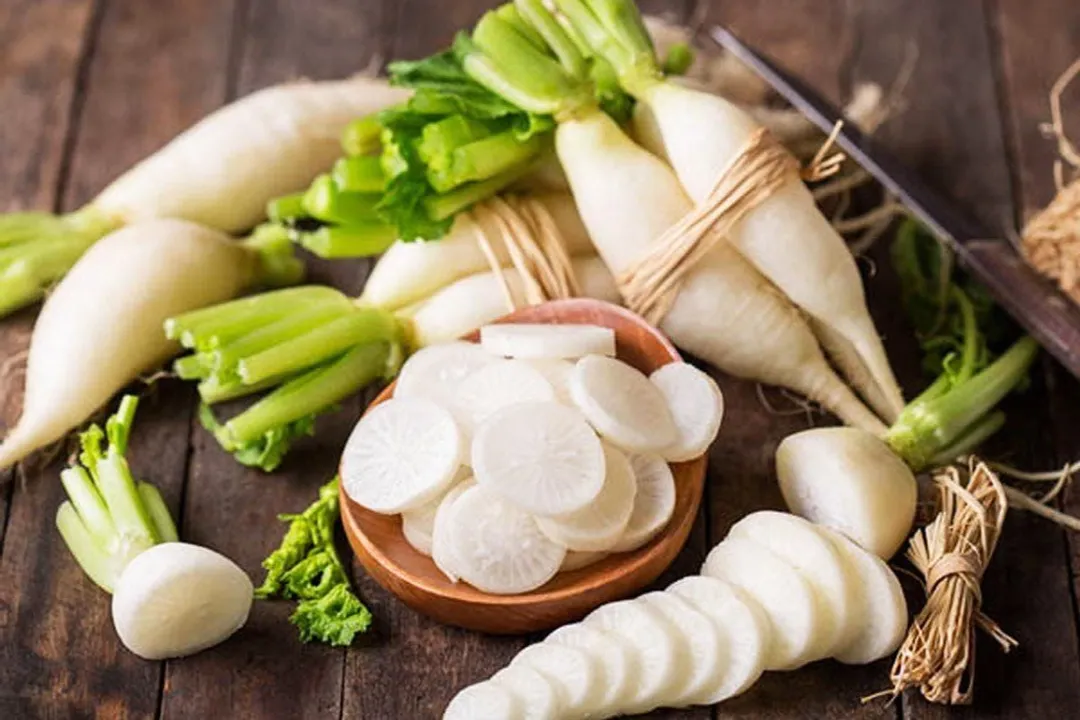
What sets daikon apart from many other fibrous vegetables is the presence of specific digestive enzymes it naturally contains. [1] These compounds act as catalysts, helping to break down more complex molecules in the food we eat, thereby easing the workload on the digestive system overall. [1] Enzymes like amylase and diastase, often highlighted in discussions about daikon, are particularly effective at digesting starches. [1] When you consume raw daikon, you ingest these enzymes directly, which can aid in the initial breakdown of carbohydrates in the stomach and small intestine. [1][4] This enzymatic activity can sometimes alleviate symptoms associated with indigestion or a feeling of heaviness after a starchy meal. [1]
The inclusion of these enzymes is a significant point of differentiation. While high fiber content addresses the bulk and movement aspect of laxation, the enzymes address the efficiency of the entire digestive process. [1] A less stressed digestive tract functions more smoothly, which indirectly supports regularity.
# Nutritional Support

Beyond fiber and enzymes, the general nutritional makeup of daikon contributes to overall gut health. It has a high water content, which is crucial for softening stool and ensuring the fiber can work effectively. [5] Dehydration is a major contributor to constipation, so incorporating high-water vegetables helps maintain the necessary moisture levels in the colon. [5] Furthermore, daikon contains essential vitamins and minerals that support bodily functions, including those related to gut motility. [6] While the primary laxative effect is mechanical (fiber), the supporting hydration and micronutrients create a better environment for the gut to operate optimally. [3][6]
In a comparison with other root vegetables, daikon often stands out due to its unique enzyme profile, which is less common in, say, carrots or potatoes, even though those share similar fiber bulk properties. [1]

# Traditional Contexts

Different health traditions have long recognized daikon's benefits for the digestive system, often framing its effect in terms of detoxification or clearing stagnation. [7] In traditional Chinese medicine, white radish, or luobo, is frequently recommended for addressing issues like poor digestion and bloating, often attributed to its ability to "clear heat" and aid in movement. [1] Similarly, in Ayurvedic practices, daikon is sometimes viewed as having qualities that help balance certain doshas, particularly those associated with sluggish digestion. [8] This historical consensus across disparate systems suggests a consistent, observable effect on digestive function, whether described in terms of modern fiber mechanics or traditional energetic balancing. [1][7][8]
It's worth noting that some traditional approaches also link daikon consumption to the alleviation of indigestion symptoms, which often go hand-in-hand with irregularity, suggesting a dual action on the digestive process. [1]
# Preparation Effects
The way daikon is prepared drastically alters its digestive impact, particularly concerning its enzyme content. Eating daikon raw preserves the highest concentration of the beneficial digestive enzymes, maximizing its potential to aid in breaking down food right away. [9] If you grate it finely—a preparation known as daikon oroshi—you maximize its surface area and the immediate availability of its juices and enzymes. [9]
Conversely, cooking daikon, such as boiling it in soups or stews, will denature these delicate enzymes, rendering them inactive. [9] While cooked daikon still retains its dietary fiber and water content—meaning it will still contribute to bulk and hydration—it loses that immediate enzymatic boost to starch digestion. [9] For someone specifically seeking a mild laxative effect relying on the enzymatic help for overall efficiency, raw preparation is key. [1][9]
If you are incorporating daikon specifically to support regularity due to a high-protein or high-fat diet, sticking to the raw preparation might yield more noticeable results than relying on slow-cooked versions. [1] This difference in preparation suggests a personalized approach: use cooked daikon as a healthy vegetable side, but opt for raw grated daikon when focusing on immediate digestive support. [9]

# Moderation Concerns
While daikon possesses these beneficial properties, it is important to view it within the context of overall diet and individual tolerance. Consuming excessive amounts of any high-fiber food quickly can sometimes backfire, leading to gas, bloating, or even temporary cramping, as the gut bacteria adjust to the sudden influx of fermentable material. [6] Daikon, like other cruciferous vegetables, can cause gas in some sensitive individuals, regardless of its digestive aids. [6]
For instance, if someone typically eats very little fiber and suddenly consumes a large daikon salad, they might experience temporary digestive discomfort before their system adapts. [6] It is often advisable to introduce new, high-fiber foods gradually. Furthermore, individuals with certain pre-existing gastrointestinal conditions should always consult a healthcare provider before making significant dietary changes, as even healthy foods can sometimes exacerbate symptoms in susceptible people. [6] A key differentiator to consider here is that while most laxative effects from root vegetables are purely mechanical, the potential for gas from cruciferous compounds adds a layer of individual sensitivity that is less common with, say, a pure cellulose source. [6]
# Integrating Daikon Regularly
To make daikon a reliable component of a digestive wellness routine, consistency matters more than volume spikes. Instead of eating a massive amount once a week, aim to incorporate a smaller, manageable serving several times a week, perhaps focusing on raw preparations a few times to capture the enzymes. [9]
Here is an actionable tip for busy individuals: Keep pre-shredded daikon in the refrigerator. A small handful (about half a cup) of the shredded radish mixed into a sandwich or sprinkled over steamed fish or rice is an easy way to ensure you are getting the fiber and enzymes without needing to grate a whole radish every time. This small, consistent intake is often more effective for long-term regularity than a single, large, reactive portion taken after a period of digestive slowdown. [3] It moves the vegetable from an occasional "fix" to a sustained dietary habit.
Another helpful observation relates to sourcing and freshness. Like many vegetables, the potency of the digestive enzymes can decrease over time once harvested and stored. [9] While the fiber remains, the enzymatic action may be diminished in very old stock. Aiming to purchase daikon that is firm and crisp suggests better potential for retaining those delicate digestive aids when eaten raw. [5] The slight heat of the sun in a market setting is generally fine, but prolonged storage in non-ideal conditions will definitely impact the raw enzyme benefit. [9]
In summary, daikon absolutely functions as a mild, natural aid for bowel regularity primarily due to its significant dietary fiber and high water content. [1][3][5] Its effectiveness as a laxative is gentle rather than immediate or aggressive, leaning toward promoting healthy transit time rather than forcing a quick result. [4] When you factor in its unique contribution of digestive enzymes, especially when eaten raw, daikon offers a multi-faceted approach to supporting the entire digestive tract, making it a smart addition to an overall gut-friendly diet. [1][9]
Related Questions
#Citations
Chinese white radish (daikon) for bloating and indigestion
Clear Your Gut with Ume Nagashi - The Digestive Benefits of Daikon ...
Produce of the Week: Daikon Radish - Midtown Farmers' Market
Is Eating White Radish Good for You? - Vinmec
Why You'll Love Daikon Radish (and How to Use It!)
Benefits of Daikon And Its Side Effects | Lybrate
Daikon: detox benefits of white radish | SHA Magazine
Daikon Radish Benefits (Ayurveda Insights) - Joyful Belly
Maximising the health benefits of Daikon with Daikon Oroshi