Are turtle beans good for you?
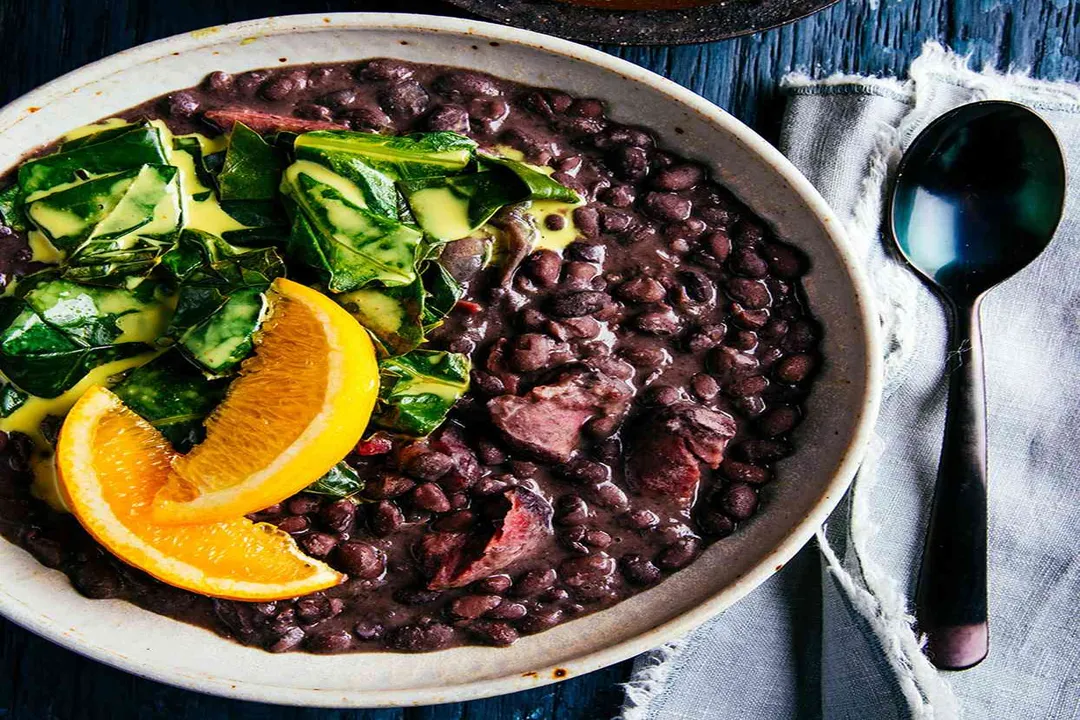
These small, dark pulses, sometimes referred to specifically as turtle beans, pack an astonishing nutritional punch that makes them a genuine powerhouse for everyday eating. If you've spent time browsing the dried goods aisle or looking at ingredients lists, you’ve likely encountered their more famous cousin, the black bean, but understanding the benefits inherent in this category of legume reveals why they deserve a dedicated spot in your pantry. They are much more than just a side dish for tacos; these beans offer a dense concentration of nutrients vital for long-term wellness, ranging from digestive support to heart protection.
# Dark Pigments
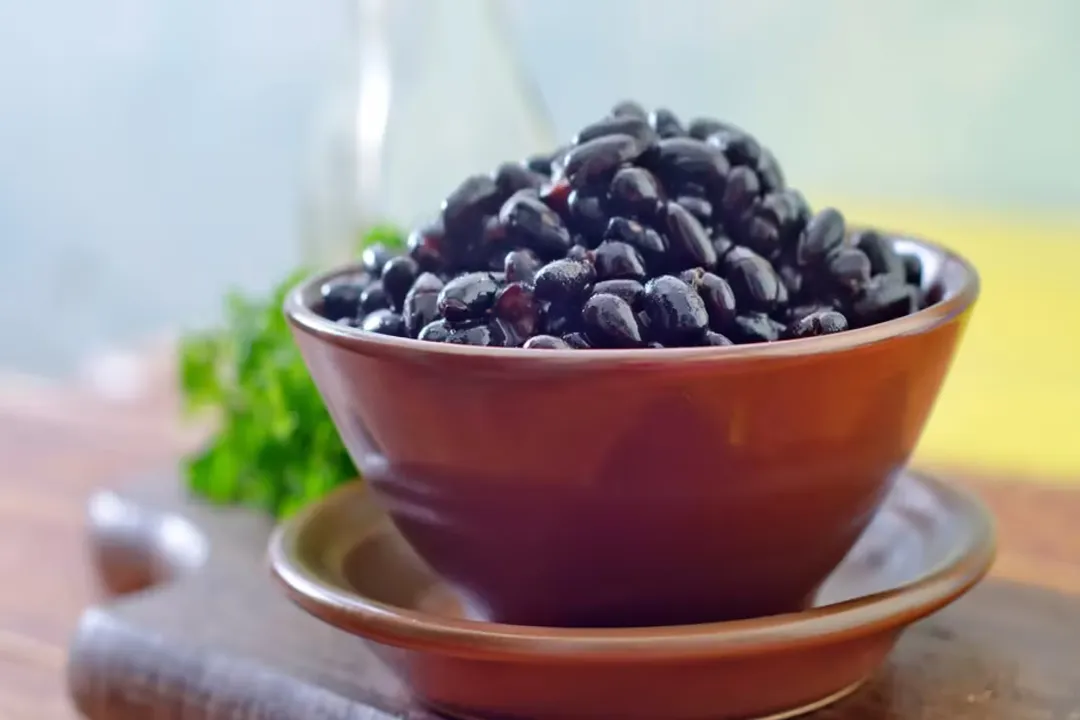
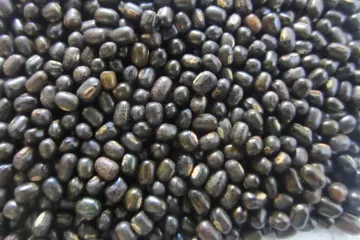
The deep, almost black exterior of these beans is not just for looks; it signals a rich supply of beneficial compounds. This dark color comes from pigments called anthocyanins. These are the same powerful antioxidants found in blueberries and blackberries, which means that eating these beans contributes to fighting off cellular damage in the body. Think of it as edible armor for your cells, courtesy of nature’s packaging. This antioxidant capacity is a major reason why many dietary guidelines recommend regular bean consumption for overall health maintenance.
# Fiber Density
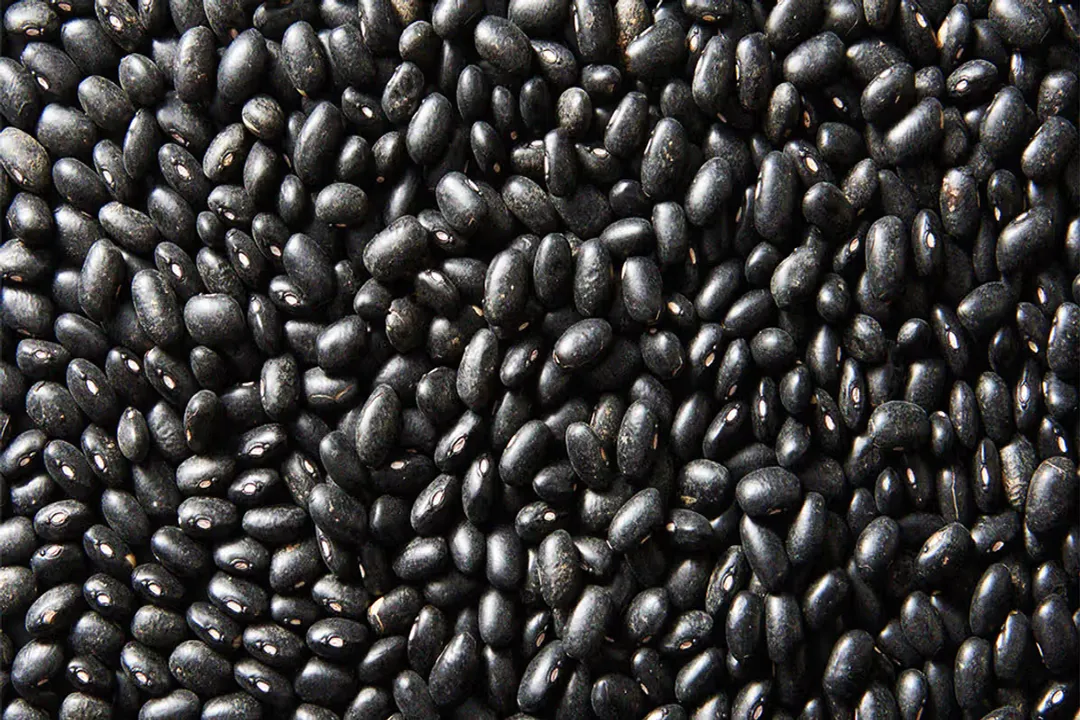
Perhaps the most celebrated characteristic of turtle beans and black beans generally is their exceptional fiber content. Fiber is essential for keeping the digestive system running smoothly, helping to move food efficiently through the gut. For many people, incorporating enough fiber daily is a challenge, and beans offer an easy solution to meet those recommendations.
What's really striking is the sheer quantity available. In some analyses, black beans have been recorded as providing up to 42 grams of fiber per 100 grams when dry, which is substantially high and warrants attention from anyone looking to maximize their intake from whole foods. Whether you measure fiber by the dry weight or the cooked serving, the concentration is notable. This high fiber load is particularly important because it contributes to better satiety, meaning it helps you feel fuller for longer after a meal, which can naturally assist with weight management efforts. If you often find yourself reaching for snacks an hour after lunch, swapping out a refined carbohydrate for a half-cup serving of these beans could stabilize your appetite significantly.

# Protein Source
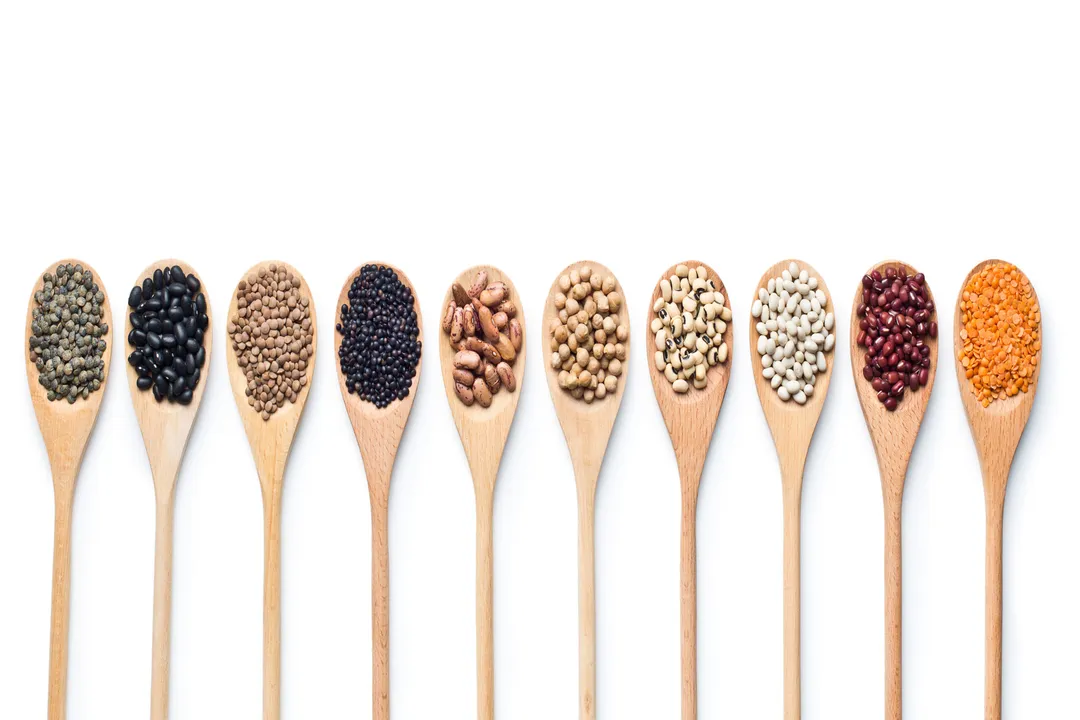
Beyond fiber, these beans stand out as an excellent source of plant-based protein. For those reducing meat intake, whether for ethical, environmental, or health reasons, beans serve as a crucial building block. Protein is necessary for muscle repair, enzyme production, and numerous bodily functions. Pairing them with grains, like rice, forms a complete protein, ensuring you get all the essential amino acids your body needs throughout the day. This combination of high protein and high fiber makes them incredibly effective at keeping energy levels steady, avoiding the sharp spikes and crashes associated with less complex carbohydrates.
# Managing Blood Sugar
The combination of slow-digesting carbohydrates, high fiber, and protein gives turtle beans a very favorable effect on blood glucose levels. Beans generally have a low glycemic index (GI). This means that when you consume them, the sugar they contain is released into the bloodstream slowly and steadily, rather than flooding the system all at once. For individuals managing diabetes, or even for healthy adults looking to prevent insulin resistance down the line, choosing low-GI foods like these beans is a smart dietary strategy. The presence of resistant starch, a type of fiber that resists digestion in the small intestine, further contributes to this stabilizing effect.
# Heart Health Impact
Regular consumption of beans has long been linked to better cardiovascular outcomes, and turtle beans are no exception. They contribute to heart health through several mechanisms. Firstly, the soluble fiber found in the beans can bind with cholesterol in the digestive tract, aiding in its removal from the body and helping to lower total and LDL ("bad") cholesterol levels. Secondly, they are a good source of potassium and magnesium, two minerals crucial for maintaining healthy blood pressure levels. By supporting both cholesterol management and blood pressure regulation, these dark beans address two major risk factors for heart disease.
# Essential Micronutrients
While we often focus on macronutrients like protein and fiber, the array of micronutrients packed into these small orbs is impressive. They are particularly rich in several key vitamins and minerals that many Western diets lack sufficient amounts of.
Consider the following key players found in a typical serving:
| Nutrient | Role in the Body | Source Support |
|---|---|---|
| Folate (Vitamin B9) | Essential for cell growth and DNA formation | |
| Iron | Crucial for oxygen transport in the blood | |
| Magnesium | Involved in over 300 enzyme systems, including nerve and muscle function | |
| Phosphorus | Key component of bones and teeth | |
| Manganese | Important for metabolism and antioxidant defense |
It is worth noting that while they contain iron, it is non-heme iron, which is less readily absorbed by the body than iron from meat. To significantly boost your absorption of this plant-based iron, try pairing your bean dish with a source of Vitamin C—a squeeze of lime juice over your chili or serving them alongside bell peppers is a simple, effective way to increase bioavailability.
# Cancer Prevention Link
The inclusion of beans in the diet is often recommended by organizations focused on cancer prevention, and turtle beans fit squarely into this recommendation. The protective effect is attributed to several factors working together: high fiber content, which helps speed up transit time and reduce exposure of the colon lining to potential carcinogens; the presence of various phytonutrients; and their antioxidant action from compounds like anthocyanins. MD Anderson Cancer Center highlights that regular bean consumption can be a beneficial part of a cancer-preventive lifestyle.
# Culinary Versatility and Preparation
One reason these legumes are so easy to incorporate into your diet is their mild, slightly earthy flavor and creamy texture when cooked properly. They are incredibly versatile, functioning well in savory dishes like soups, stews, chilis, and dips, as well as being used successfully in baking to add moisture and density to recipes like brownies or muffins.
However, like all dried beans, preparation matters. You must cook them thoroughly. If you're soaking them overnight, be sure to discard the soaking water and rinse the beans well before cooking in fresh water. This step helps reduce oligosaccharides, the complex sugars that can sometimes cause digestive discomfort for sensitive individuals. While some anecdotal claims about fiber content need careful interpretation depending on whether the measurement is for dry or cooked product, proper cooking ensures you maximize nutrient availability while minimizing any negative digestive side effects.
If you are starting your bean journey, consider this practical approach: cook a large batch of dried beans on a weekend, perhaps in a slow cooker or Instant Pot, and portion them out into freezer bags. Having ready-to-eat beans makes it far more likely you will reach for them during a busy week instead of opting for a less nutritious, processed food substitute. This method ensures you are consistently consuming the benefits outlined here without the daily commitment of soaking and boiling.
# Comparing the Nutrients
While the sources largely treat "turtle beans" and "black beans" interchangeably or focus on the latter, the general nutritional profile derived from the information points to a consistent theme of dense nutrition. When comparing them to other staples, beans generally offer a superior combination of slow-release energy, fiber, and protein compared to refined grains. Unlike some heavily processed snack foods that might offer flavor without substance, these beans deliver micronutrients like folate and iron alongside the macronutrient benefits. The key takeaway across all nutritional analyses is that the dark pigmentation signifies a high concentration of powerful antioxidants, setting them apart from lighter-colored legumes like navy beans in terms of specific phytochemical profiles.
In essence, whether you call them black beans or turtle beans, you are looking at a staple food that delivers on multiple health fronts simultaneously: supporting your gut, stabilizing your energy, protecting your heart, and providing essential building blocks for your body’s daily operations. They are an accessible, economical way to substantially upgrade the nutritional quality of almost any meal.
Related Questions
#Citations
4 Impressive Benefits of Black Beans
Black beans: Health benefits, facts, and research
The benefits of black beans - Primary Care in Rochester and Kasson
This cannot be real? 42g of fiber per 100g of these black turtle beans?
Cooked Black Turtle Beans Ameliorate Insulin Resistance and ...
Why Black Turtle Beans? Part 2 - Nutrition - Be Still Farms
Have You Heard of Turtle Beans?
What Happens To Your Body When You Eat Black Beans Regularly
What is the healthiest type of bean? - MD Anderson Cancer Center