Are kidney beans good for pregnancy?
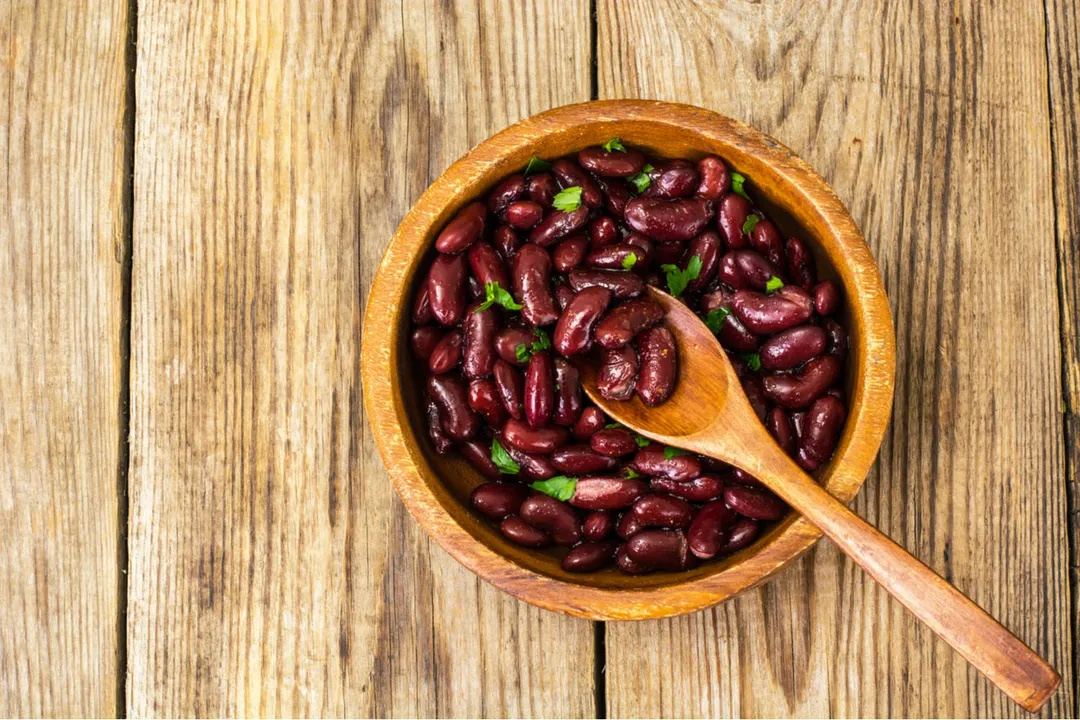
Eating kidney beans during pregnancy is generally encouraged due to their impressive nutritional profile, provided they are prepared correctly. These versatile legumes are packed with essential vitamins and minerals that support both the mother's health and the baby's developing systems. [1][6][7] When considering adding any food to your prenatal diet, understanding the "why" behind the recommendation—specifically which nutrients they deliver and how to mitigate any potential risks—is key to making informed choices throughout the trimesters. [3][5]
# Nutrient Powerhouse

Kidney beans, also known as rajma, are a fantastic source of plant-based protein. [6][7] Protein is the building block for nearly everything in the body, and during pregnancy, the demand increases significantly to support the rapid growth of fetal tissue, including the brain, muscles, and blood supply. [1][4] While they are known for protein, their contribution to managing the common discomforts of pregnancy is equally noteworthy, particularly their high dietary fiber content. [1][4][7] Increased fiber intake helps maintain digestive regularity, often a welcome benefit when hormonal changes can lead to sluggish digestion or constipation. [4][6]
Beyond the macronutrients, kidney beans are a treasure trove of micronutrients critical for fetal health. They deliver significant amounts of folate (or folic acid), which is essential for preventing neural tube defects early in pregnancy. [4][6][7][10] They are also rich in iron, vital for producing the hemoglobin needed to ensure adequate oxygen is transported to both the mother and the growing fetus, thereby helping to prevent iron-deficiency anemia. [4][7][10] Furthermore, they supply important minerals like magnesium and potassium. [1][7]
To illustrate the tangible impact of adding just one cup of cooked kidney beans to your daily intake, consider how it aligns with common pregnancy needs. While specific daily recommended intakes (DRIs) vary by individual, a standard serving contributes meaningfully to several key areas. For example, a single cup might cover about 25-30% of the increased iron needs for the second and third trimesters, and significantly contribute to the necessary increase in dietary fiber intake required to maintain digestive balance. [1][4][7][10] This makes them an easy and affordable way to supplement the diet alongside other nutrient-dense foods recommended during this period. [8]
# Key Support Nutrients
The roles of iron and folate in a developing pregnancy cannot be overstated, and kidney beans excel in delivering both. [4][6][7]
# Iron Source
Iron requirements often double during pregnancy, making iron-rich foods a staple recommendation. [10] Low iron levels can lead to fatigue and place stress on the body. [4] While animal sources provide heme iron, which is more easily absorbed, plant-based sources like kidney beans offer non-heme iron. [10] For those opting for plant-forward meals or looking to reduce meat consumption, pairing kidney beans with a source of Vitamin C—such as bell peppers, tomatoes, or a squeeze of lemon juice—in the same meal is an effective strategy to significantly enhance the absorption of this non-heme iron. [10] This synergistic approach is something every plant-based or mixed-diet eater can easily incorporate.
# Folate Contribution
Folate, often taken as a supplement, is also abundant in beans. [6][7] This B vitamin is crucial in the very first few weeks of pregnancy, sometimes before a woman even knows she is pregnant, to support the formation of the baby’s brain and spinal cord. [4] Including beans regularly ensures a steady intake of this essential nutrient alongside prenatal vitamins. [7]
# Safety Concerns Cooking
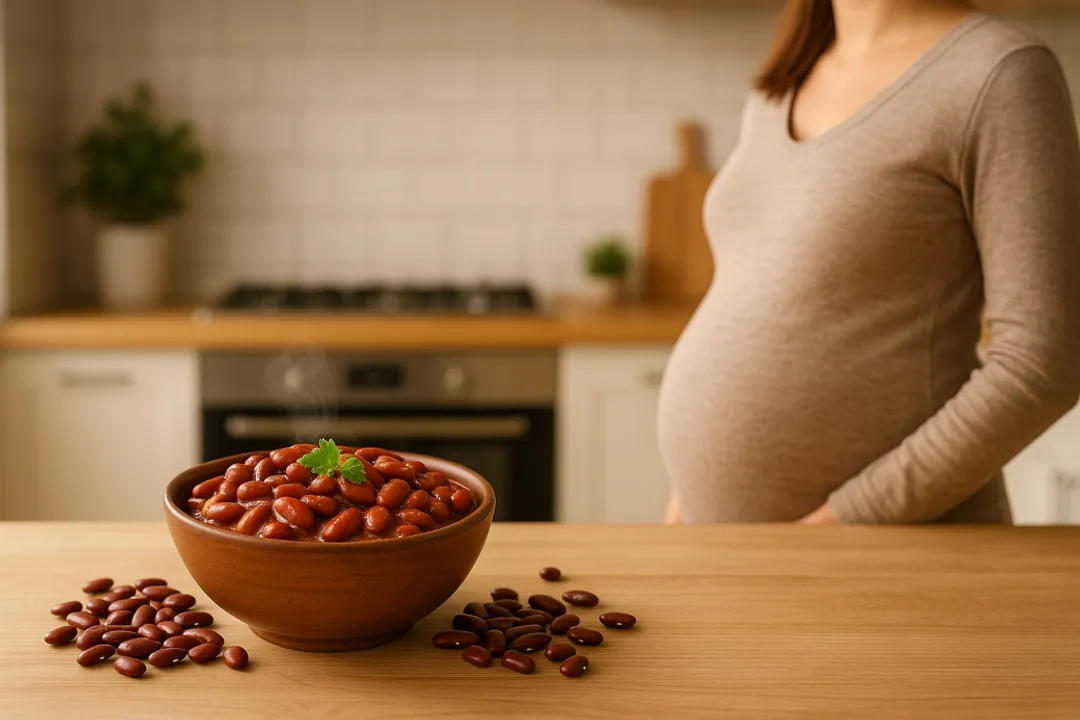
The primary caution regarding kidney beans centers entirely on proper preparation. Unlike many other legumes, red kidney beans contain high concentrations of a toxin called phytohaemagglutinin, which is a type of lectin. [3][4][5] Ingesting even a small number of improperly cooked beans can trigger severe gastrointestinal distress, manifesting as intense nausea, vomiting, and diarrhea. [3][4][5] This reaction is rapid and potent, often leading to dehydration, which is particularly concerning during pregnancy. [4]
The good news is that this toxin is easily destroyed by thorough cooking. [3][5] The standard procedure requires more than just a quick simmer. Beans must be soaked for several hours (often overnight) and then boiled vigorously for a minimum of ten minutes to neutralize the lectins completely. [3][4][5] If you are relying on pre-cooked or canned kidney beans, this process has already been managed by the manufacturer, making them safe to consume straight from the can after simply rinsing and heating them thoroughly. [3][5] A practical tip for home cooks aiming for maximum digestibility: after the mandatory 10-minute hard boil, consider continuing to simmer the beans for another 45 to 60 minutes on lower heat until tender. This extended cooking time can further break down complex starches and lectin traces, potentially leading to less gas and bloating, which is a frequent complaint during pregnancy due to hormonal slowing of digestion.
# Integrating Beans
Adding beans to your diet doesn't require complicated meal planning. They are wonderfully adaptable for breakfast, lunch, or dinner. [2][4] Think beyond traditional chili or bean salads. They can be mashed and used as a creamy base in dips, blended into smoothies (if you are comfortable with the texture), or easily mixed into vegetable soups and stews. [2][4]
For those who find the high fiber content initially challenging, a gradual introduction is best. [1] Start with smaller portions a few times a week, ensuring you also increase your water intake throughout the day. [8] Hydration works in tandem with fiber to keep the digestive system moving smoothly. [1] Furthermore, when choosing canned varieties, always opt for the "low-sodium" or "no salt added" options, then rinse them well under running water before use. [8] This simple rinse can drastically cut down on excess sodium, helping you manage fluid retention, which is already a potential issue during pregnancy. [8]
# General Nutrition Context
It is helpful to view kidney beans within the broader context of a healthy pregnancy diet, which emphasizes variety and balance. [3][5][8] While kidney beans are excellent, they should be part of an eating pattern that also includes a wide array of fruits, vegetables, lean proteins, and whole grains. [3][8] Good nutrition during pregnancy involves managing weight gain appropriately and supplying the necessary building blocks for the baby, all while maintaining the mother's energy levels. [3][5] Because beans are a starchy vegetable and a protein source, being mindful of portion sizes is important, especially when pairing them with other carbohydrate-heavy foods like rice or bread, to ensure steady energy release rather than blood sugar spikes. [9]
| Nutrient | Benefit in Pregnancy | Kidney Bean Contribution (Approx. per 1 cup cooked) |
|---|---|---|
| Protein | Fetal tissue growth and repair | High |
| Fiber | Constipation relief, satiety | High |
| Folate | Neural tube defect prevention | Significant |
| Iron | Oxygen transport, anemia prevention | Significant |
| Magnesium | Muscle and nerve function | Moderate |
This table demonstrates that while kidney beans are not the sole answer to nutritional needs, they are a potent multi-vitamin in food form when properly prepared. [1][7] Comparing them to other protein sources, they offer the added benefit of complex carbohydrates and fiber, which animal proteins lack. [6][9]
# Expert Opinion Synthesis
Many dietary guidelines support including legumes like kidney beans due to their nutrient density and potential role in managing some pregnancy-related issues. [2][4] The key takeaway consistently stressed across reliable health information is the non-negotiable step of proper cooking to eliminate toxicity risks. [3][5] If you are pregnant and have a history of gastrointestinal sensitivity or Irritable Bowel Syndrome (IBS), introduce beans slowly, as the high fiber content might temporarily cause bloating or gas until your system adjusts. [1][6] Paying attention to your body’s reaction—and remembering that the temporary discomfort of gas is vastly preferable to the risks of undercooked beans—allows you to safely reap the long-term rewards of this inexpensive staple food. [4] Ultimately, kidney beans are a safe, valuable, and nutrient-rich addition to a healthy pregnancy menu when preparation rules are strictly followed. [3][5]
Related Questions
#Citations
Maternal Bean Consumption during Pregnancy - PubMed Central
Legumes in your pregnancy diet | BabyCenter
Pregnancy diet: Focus on these essential nutrients - Mayo Clinic
Can you eat kidney beans when pregnant? - Netmums
6 Must-Eat Foods for Pregnancy - WebMD
Eating Rajma (Kidney Beans) During Pregnancy: Benefits and Risks
7 Health Benefits Of Kidney Beans (Rajma) During Pregnancy
Seven Tips for a Healthy Diet During Pregnancy - Avera Health
Kidney Beans 101: Nutrition Facts and Health Benefits - Healthline
Iron-rich Foods for Pregnancy