Are urad beans good for you?
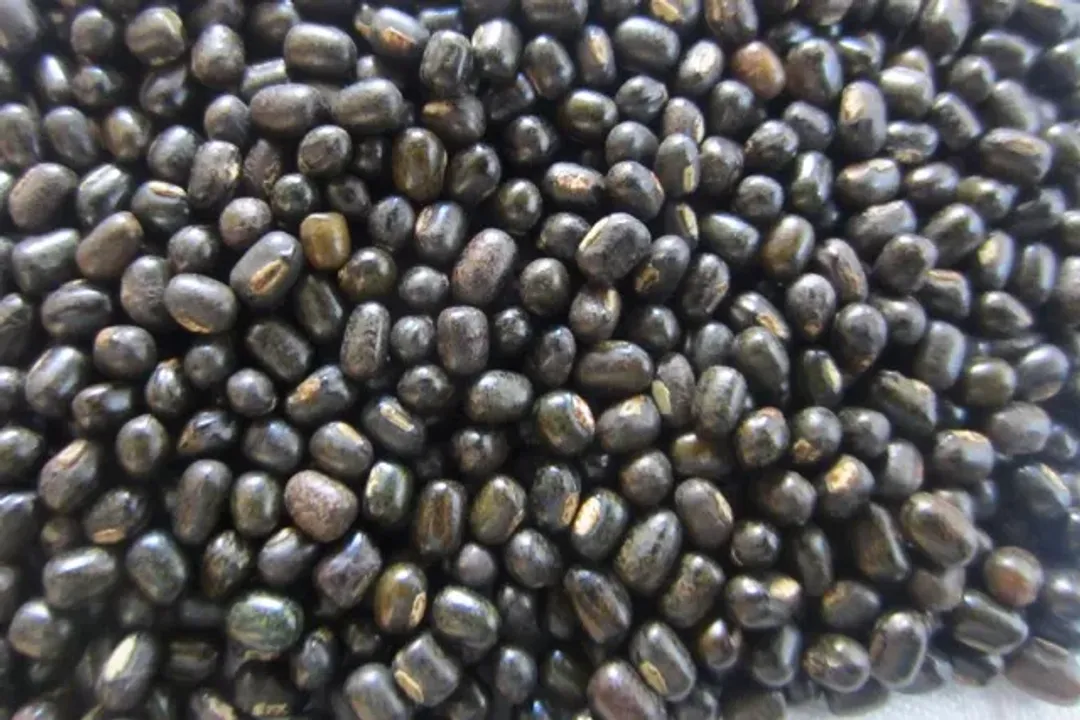
Black gram, known widely as Urad Dal, holds a significant place in global cuisine, particularly within the Indian subcontinent. It is a versatile pulse that forms the backbone of staples like dosa and idli, and lends its creamy texture to rich dishes like dal makhani. [2] Beyond its culinary uses, this small black bean carries a considerable reputation for its health properties, often touted as a nutritional powerhouse. Understanding its makeup reveals why it has been valued for centuries, not just as food, but as a functional ingredient in traditional health systems. [1][9]
# Nutritional Power
The foundation of Urad Dal's health reputation lies in its impressive nutritional composition. It is notably high in macronutrients that support various bodily functions. For individuals seeking plant-based sources of complete nutrition, black gram stands out. It delivers a substantial amount of protein and dietary fiber. [1][5] While it contains good fats, its profile is generally low in saturated fat, which is beneficial for cardiovascular support. [5]
When examining the micronutrient spectrum, Urad Dal proves to be rich in several essential vitamins and minerals. It is a strong source of iron, critical for blood health, and calcium and phosphorus, which are foundational for skeletal strength. [1][5] Furthermore, it provides significant amounts of magnesium and potassium, minerals vital for maintaining healthy blood pressure levels. [5] The presence of folate (Vitamin B9) makes it a valuable addition to diets, especially concerning cell division and growth, as highlighted by its importance during pregnancy for fetal development. [1][5]
A useful point to consider when planning meals is how the preparation style affects what you consume. You can find this pulse whole (with the black husk), split and skinned (white dhuli urad), or partially split. While the husk contains much of the insoluble fiber, removing it (as in dhuli urad) can sometimes make the dal quicker to cook and easier on sensitive stomachs, though you slightly reduce the overall fiber load. [2] For maximum nutritional density, using the whole, black bean form is often preferred, provided your digestive system can manage it.
# Digestive Impact
The high fiber content in Urad Dal is a double-edged sword, offering significant advantages while sometimes posing challenges. Dietary fiber is essential for maintaining healthy bowel regularity and preventing constipation. [1] Moreover, this fiber plays a role in managing blood sugar by slowing down glucose absorption and contributes to lowering overall cholesterol levels, thereby supporting heart health. [1][5]
However, this very fiber, particularly the complex carbohydrates like oligosaccharides present in beans, can lead to digestive upset, such as gas and bloating, in some people. [4][7] This is a common reaction to many legumes, and the severity often depends on the amount consumed and the individual's gut health. If you are new to incorporating this dal, or if you already experience sensitivity, preparation is crucial. The traditional recommendation is to soak the beans thoroughly—often overnight—and discard the soaking water before cooking. This process helps leach out some of the gas-producing compounds. [9]
Thinking about which form to use in a recipe can impact your experience. For instance, if you are preparing a light soup or a thin dosa batter where quick digestibility is paramount, dhuli urad might be chosen. If you are making a heavy, slow-cooked stew where the richness and maximum fiber are desired, the whole bean is better, but perhaps in a smaller serving size initially. [4]
# Heart Bone Support
Many of the benefits associated with Urad Dal overlap in supporting the body’s most vital systems. Its role in heart health is supported by its fiber, which helps manage circulating cholesterol, and its mineral content. [1][5] The combination of potassium and magnesium works synergistically to help regulate blood pressure, which is a primary factor in cardiovascular wellness. [5]
For skeletal health, Urad Dal offers a beneficial boost of minerals. While dairy is often the first thought for bone building, pulses contribute significantly to the intake of calcium and phosphorus. [5] Consistent intake of these minerals, alongside others like magnesium found in the dal, contributes to maintaining bone density over time.
# Traditional Wisdom
Diving into Ayurvedic perspectives provides additional context for Urad Dal’s long-standing use. In Ayurveda, it is considered a potent ingredient, often characterized by its hot potency (virya). [9] This characteristic is believed to contribute to its traditional use as a tonic that builds ojas (vitality), thereby boosting energy and stamina. [1][9] It is specifically mentioned in Ayurvedic texts as being good for balancing the Vata dosha. [9]
However, this concept of potency requires careful consideration in modern practice. The energy-boosting, strengthening quality attributed to Urad Dal is linked to its dense, nourishing nature. [9] Yet, the same density that provides deep nourishment can, if the digestive fire (Agni) is weak or if consumed in excess, lead to the aggravation of other doshas, sometimes manifesting as sluggishness or digestive distress. [9] This creates an interesting tension: the bean is famed for giving vigor, but if your system cannot process its richness, the outcome might feel heavy rather than energizing. Recognizing the traditional view that it can increase Pitta or Kapha if over-consumed is a necessary counterpoint to its general reputation as an energy booster. [9]
# Skin Hair Care
The benefits of this pulse are not limited to internal consumption; it has a history of external application as well. Due to its rich nutrient profile, Urad Dal has been incorporated into traditional beauty preparations. [1] When ground into a paste, it has been used externally in face packs, believed to nourish the skin, and in hair treatments, where it is sometimes suggested to promote hair health. [1]
# Preparing for Wellness
To truly realize the healthful potential of Urad Dal, mindful preparation is non-negotiable, especially given the reported instances of digestive upset or aches after consumption. [7] Simply cooking it without proper soaking can leave behind undesirable compounds.
Here is a simple guideline to maximize benefits while minimizing common side effects:
- Inspect and Clean: Thoroughly rinse the whole or split beans under running water.
- Long Soak: Soak the dal in ample fresh water for at least 6 to 8 hours, or preferably overnight. [9]
- Discard Water: Always drain and discard the soaking water completely. This water contains the majority of the gas-causing compounds that were leached out.
- Cook Thoroughly: Ensure the beans are cooked until completely soft. Under-cooked legumes are significantly harder to digest. [9]
Some anecdotal reports mention joint pain or body aches being associated with eating black urad dal. [7] While the direct mechanism isn't always clear from general nutritional summaries, it often points toward either an inflammatory response triggered by digestive stress (i.e., the gut struggling with the density) or, less commonly, issues related to purine metabolism for those predisposed to gout, as with any high-protein food. Maintaining hydration and ensuring the preparation steps above are followed usually mitigates these concerns for most healthy individuals. [7] When you compare it to other widely consumed dals, like Moong Dal, which is often considered the mildest due to its easier digestibility, Urad Dal clearly sits on the spectrum towards being more dense and strengthening, requiring more digestive work. [4] By respecting its density through careful preparation, you honor both the modern nutritional data and the traditional understanding of its potent nature.
Related Questions
#Citations
Urad Dal: Uses, Benefits, Side Effects, and More! - PharmEasy
What is Urad Dal? Uses, Benefits And Nutrition - Aashirvaad
Black Gram (Urad Dal) Benefits And Its Side Effects | Lybrate
Which dal is the healthiest and which ones to better avoid? - Reddit
Top 10 Unknown Urad Dal Health Benefits
Urad Dal (Black Gram): Nutrition Breakdown - YouTube
Is black urad dal good for health but create pains? - Quora
Urad Dal(Black Gram) is one of the richest sources of proteins and ...
Urad Dal Benefits (Ayurveda Insights) - Joyful Belly