Are split peas good for inflammation?
Split peas are one of the most underrated items in the pantry, often relegated to the back of the shelf until a cold winter day calls for pea soup. However, viewing these humble legumes strictly as a comfort food ingredient misses their potential as a powerful tool in a dietary approach aimed at managing inflammation. When you look at the composition of split peas, you find a dense concentration of plant-based protein, dietary fiber, and essential minerals, all of which play distinct roles in how the body handles systemic stress and inflammatory responses. [1][8]
Inflammation is not inherently negative; it is a natural part of the immune system’s defense mechanism. When the body encounters pathogens or injury, inflammation begins the healing process. The issue arises when this process becomes chronic, lingering long after the initial threat has passed. This state of constant internal irritation is linked to numerous long-term health concerns. Integrating foods like split peas into your weekly rotation is one way to provide the body with the specific raw materials needed to moderate these responses. [3][4]
# Nutrient Density
To understand why split peas might help, it helps to examine what they bring to the table. They are a "nutrient-dense" food, meaning they provide a significant amount of vitamins and minerals relative to their calorie count. A standard serving of cooked split peas is packed with protein and fiber, two macronutrients that are highly effective at stabilizing blood sugar levels. [1][8]
Fluctuating blood sugar is a frequent, often overlooked trigger for inflammation. When your glucose levels spike and crash, it creates oxidative stress in the body. Because split peas have a low glycemic index, they digest slowly, preventing those rapid shifts. This stability alone can lower the systemic inflammatory load over time. [6][8]
Beyond macronutrients, split peas contain specific micronutrients that support immune function and antioxidant defenses. They are rich in iron, potassium, and magnesium. These minerals are necessary for various physiological processes that keep cells functioning correctly. When your cells are properly nourished, they are less likely to signal for an inflammatory response due to internal strain. [6][8]
| Nutrient | Impact on Inflammation |
|---|---|
| Dietary Fiber | Promotes gut microbiome health; reduces insulin spikes |
| Plant Protein | Supports muscle repair without saturated fat inflammatory triggers |
| Magnesium | Aids in regulating the immune system and blood pressure |
| Antioxidants | Neutralize free radicals that cause cellular damage |
# Inflammation Links
The connection between legumes, such as split peas, and lower levels of inflammation is backed by both nutritional studies and clinical observations. Chronic inflammation is often measured by biomarkers in the blood, such as C-reactive protein (CRP). Diets that emphasize whole, plant-based foods—specifically legumes like split peas, lentils, and beans—are consistently associated with lower circulating levels of these markers. [2][3][4]
The primary mechanism here is the gut microbiome. Fiber acts as fuel for beneficial gut bacteria. When these bacteria break down the fiber from split peas, they produce short-chain fatty acids, most notably butyrate. Butyrate is a compound known for its anti-inflammatory properties, particularly in the lining of the digestive tract. [4]
Think of it as a feedback loop. By consuming fiber-rich foods, you feed the "good" bacteria that actively work to calm the gut lining. A calm, healthy gut lining prevents the leakage of toxins into the bloodstream, which is a major driver of systemic inflammation. [3][4] When the gut is happy, the body is less prone to chronic, low-grade inflammatory states that characterize many modern health challenges. [2][7]

# Dietary Nuances
While split peas offer significant benefits, it is important to address how they fit into specific health contexts. For the general population, they are an excellent addition to an anti-inflammatory diet. However, for individuals living with inflammatory bowel diseases (IBD) such as Crohn’s disease or ulcerative colitis, the advice changes.
During an active flare-up of these conditions, the high fiber content in split peas can actually be counterproductive. Fiber can be physically irritating to an inflamed colon, potentially causing discomfort or worsening symptoms. [7] If you have a history of digestive issues, it is often recommended to stick to lower-fiber, easily digestible foods during acute phases. Once the condition is in remission, many people find they can slowly reintroduce legumes, often starting with pureed or well-cooked varieties to improve tolerance. [7]
For those without these specific conditions, the main hurdle to enjoying split peas is digestive discomfort, commonly known as gas. This is a normal reaction to increased fiber intake as the gut microbiome adjusts to the new fuel source. To minimize this, start with smaller portions and gradually increase your intake over several weeks. This allows your digestive system to adapt to the fiber without causing significant bloating. [6]
# Preparation Strategies
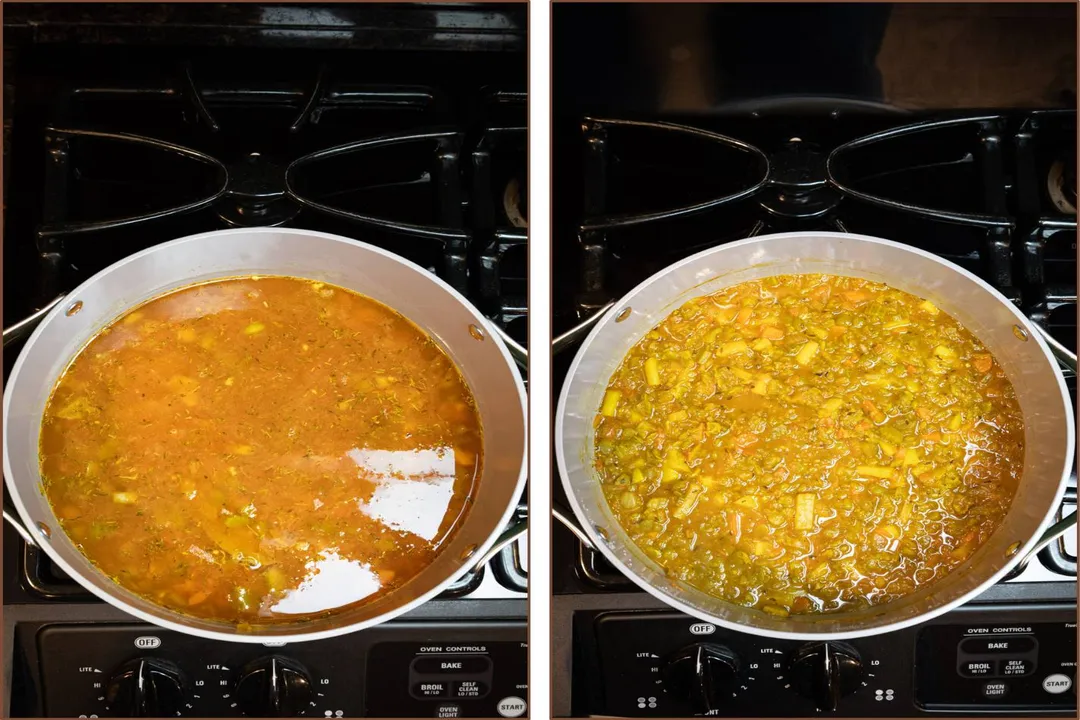
Maximizing the health benefits of split peas starts with how they are prepared. Many people stick to soups, which are ideal because the long, slow cooking process helps break down the fibers and compounds, making them easier to digest and absorb. [5][10]
A common mistake is rushing the process. Because split peas are a dried pulse, they require adequate hydration. While they do not strictly require soaking in the same way dried chickpeas or black beans do, rinsing them thoroughly is essential. Some find that a quick soak—even just for an hour—before cooking helps reduce the cooking time and makes the final texture smoother, which is helpful if you are preparing them for digestive ease. [8]
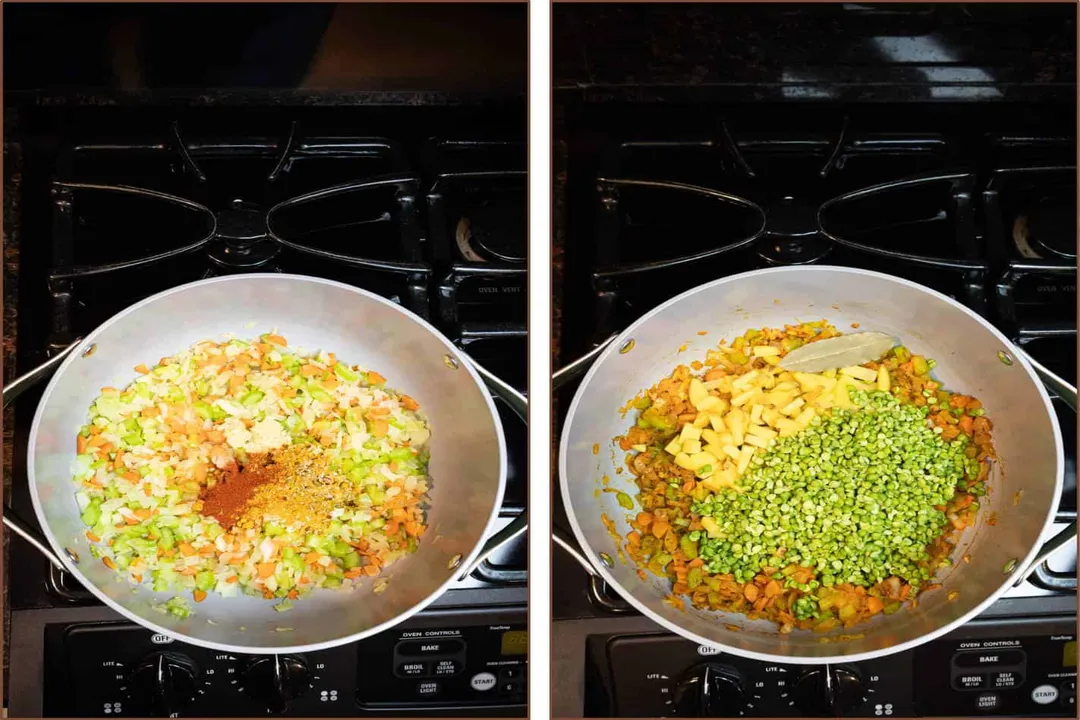
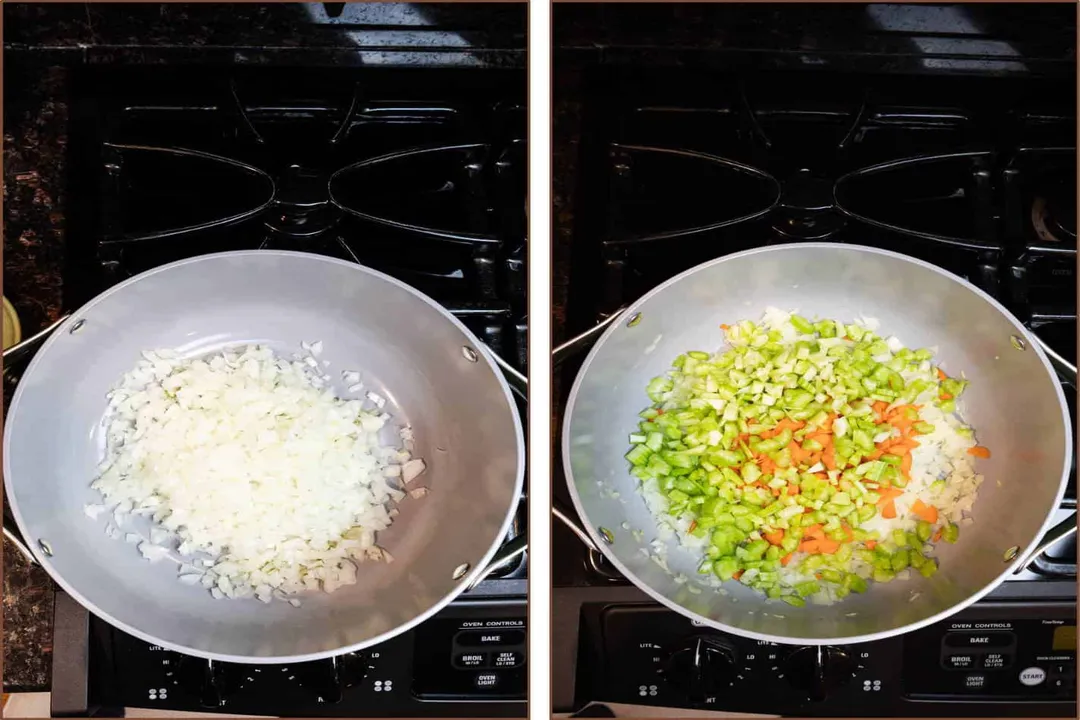
Another effective approach is to combine split peas with other anti-inflammatory ingredients. Garlic, onions, turmeric, and ginger are classic pairings in soup recipes. These aromatics contain their own unique phytonutrients that work synergistically with the peas to amplify the anti-inflammatory effect of the meal. [5][10]
Consider these practical tips to integrate them more effectively:
- Batch Cooking: Cook a large pot of basic split pea base with minimal seasoning. You can then add different spices or vegetables throughout the week, preventing flavor fatigue.
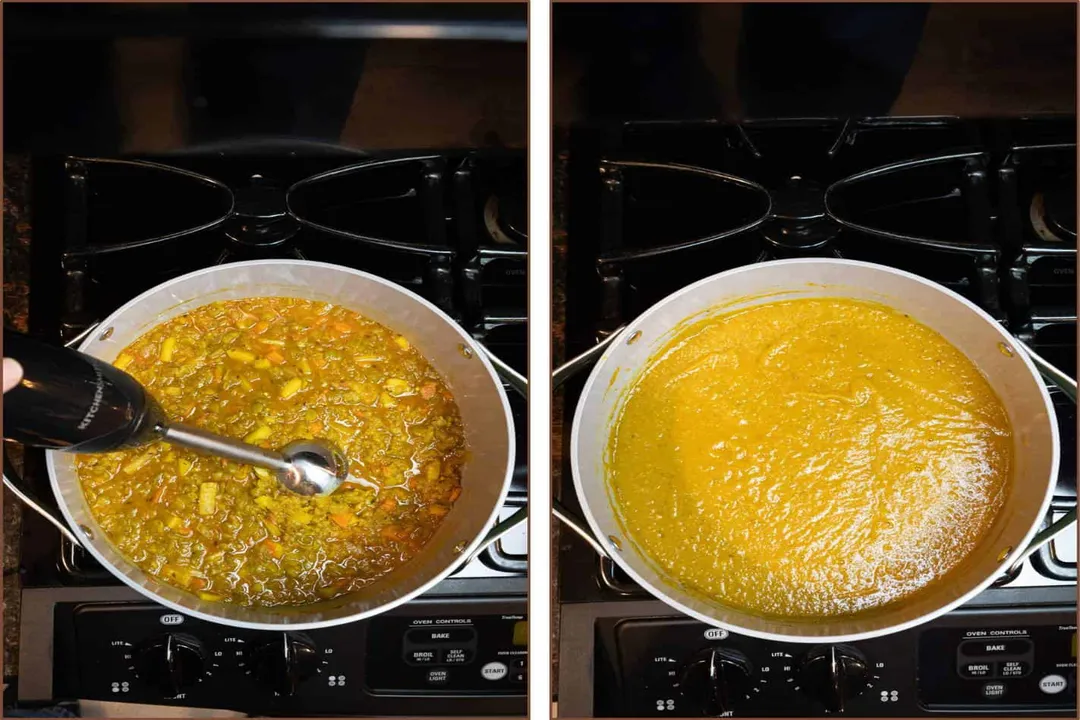
- The Purée Method: If the texture of whole peas bothers you, use an immersion blender. A smooth, creamy soup is often easier on the stomach than a chunky, fibrous stew.
- Cold Options: Don't limit yourself to hot soup. A chilled split pea salad or a thick spread (similar to hummus) can serve as a protein-rich, anti-inflammatory lunch component.
# Oxidative Stress
The anti-inflammatory power of split peas is closely tied to their ability to fight oxidative stress. Oxidative stress occurs when there is an imbalance between free radicals—unstable molecules that can damage cells—and antioxidants that neutralize them. [4]
Pulses and legumes, including split peas, contain various phenolic compounds and flavonoids. These are plant-based antioxidants that help clean up free radicals. When you consume a diet rich in these compounds, you are essentially providing your cells with a shield against daily environmental and metabolic stressors. [4]
It is worth noting that the "green" or "yellow" color of the pea often indicates slight variations in antioxidant profiles, but both offer substantial benefits. There is no need to over-analyze which color to choose; the most significant impact comes from simply ensuring legumes are a regular part of your dietary rotation rather than an occasional guest at the dinner table. [8]
# Long-term Habit
Making split peas a staple is not about treating them as a medicine, but rather viewing them as a foundation for a high-quality diet. The evidence suggests that consistent, moderate consumption is better than sporadic, large servings. Your body thrives on regularity, and the gut microbiome, which benefits so heavily from the fiber in these peas, responds best to a predictable, diverse supply of plant-based fuels. [2][3]
If you are looking to shift toward a less inflammatory lifestyle, start by looking at your current protein sources. If you frequently rely on processed meats or high-fat cuts that are known to promote inflammation, swapping just one or two meals a week for a split-pea-based dish can make a tangible difference.
This is a sustainable, cost-effective way to improve health. You do not need expensive supplements to manage inflammation; you often only need to revisit the staples that have supported human health for centuries. By focusing on the preparation methods that suit your digestive comfort, you can make split peas a reliable, helpful component of your long-term wellness strategy. [1][6]
#Videos
Vegan Split Pea Anti-Inflammatory Soup Recipe (no oil) - YouTube
Related Questions
#Citations
[PDF] Health Benefits of Split Peas
split peas | Health Topics - NutritionFacts.org
[PDF] Anti-Inflammatory Diet - VA.gov
Palmitoylethanolamide: A Natural Compound for Health Management
Anti-inflammatory spring pea soup - Supercharged Food
[PDF] Health Benefits of Split Peas - Coos County Friends of Public Health
5 types of foods to eat frequently when you have crohn's or colitis
Split Peas Nutrition Facts and Health Benefits - Verywell Fit
Vegan Split Pea Anti-Inflammatory Soup Recipe (no oil) - YouTube
Anti-Inflammatory Golden Turmeric Split Pea Soup - Upside Lane