Are split peas anti-inflammatory?
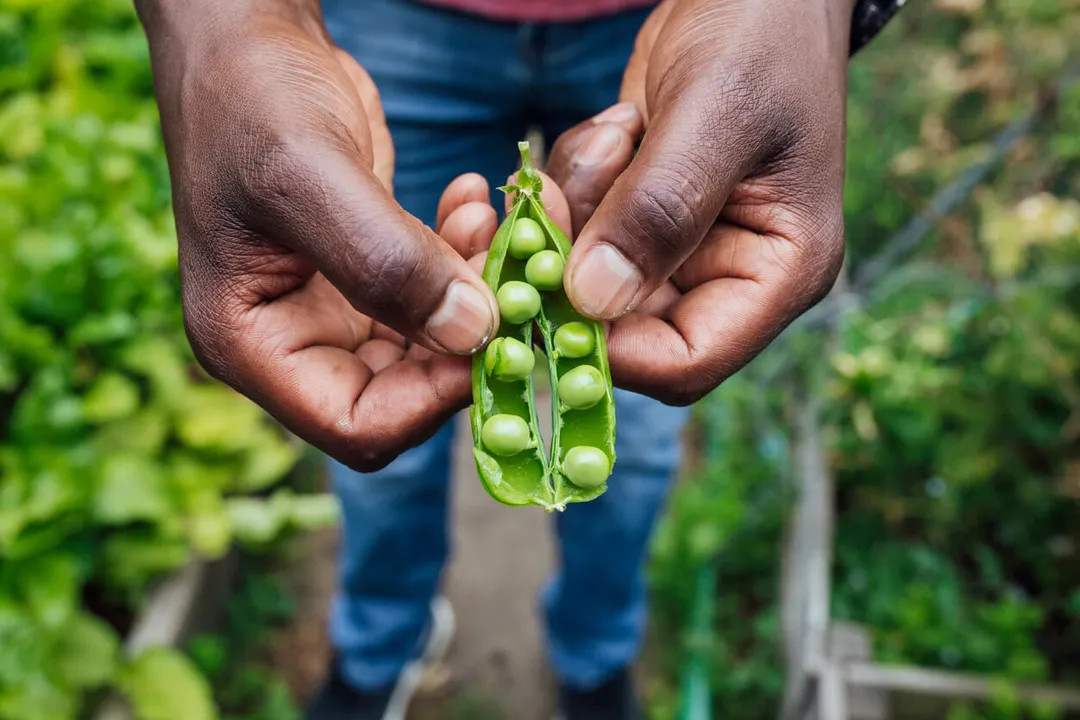
Split peas represent a humble powerhouse in the kitchen, a dried staple found tucked away in pantries worldwide, offering dense nutrition at a remarkably low cost. While they are universally known for creating comforting, thick soups, the specific question of their impact on chronic inflammation is where their nutritional profile becomes particularly interesting. These seeds, derived from the Pisum sativum plant, deliver a complex mix of macronutrients and micronutrients that scientists are increasingly linking to better long-term health outcomes.
# Nutrient Density
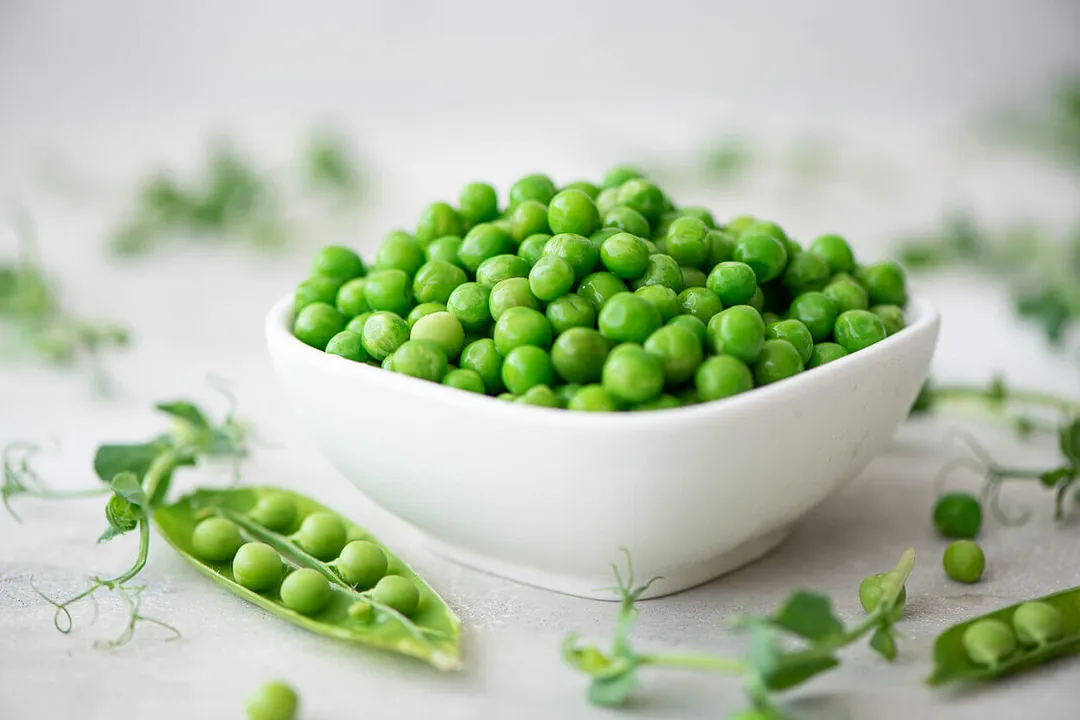
To understand any potential anti-inflammatory effect, one must first appreciate what split peas bring to the table in terms of basic nutrition. They are an excellent source of plant-based protein, which is essential for tissue repair and overall bodily function. Furthermore, they are exceptionally rich in dietary fiber, containing both soluble and insoluble types. This fiber content is a major distinguishing feature, often surpassing many other common vegetables and grains in a standard serving.
Beyond the major building blocks, split peas pack a significant punch of vital micronutrients. They are a good source of several B vitamins, including folate, which is important for cell division and DNA synthesis. Minerals like iron, magnesium, and potassium are also plentiful, contributing to energy production, nerve function, and blood pressure regulation. The presence of these micronutrients, combined with beneficial plant compounds, sets the stage for systemic health benefits, which often intersect with the body's inflammatory response.
# Inflammation Evidence

The direct association between split peas and anti-inflammation is supported by their classification within broader food groups known to support immune balance. Legumes, as a category that includes split peas, are frequently listed among recommended foods for managing inflammation. While the sources may not isolate a single compound in split peas that performs the same function as a pharmaceutical anti-inflammatory agent, the synergy of their components suggests a positive influence.
The benefit appears to come from the overall nutritional matrix. For example, the presence of various vitamins, minerals, and unique phytonutrients inherent in legumes contributes to reducing oxidative stress, a key driver of chronic, low-grade inflammation. Beans and related pulses are recognized for helping the body manage this internal stress. Therefore, incorporating split peas regularly into the diet aligns with a protective eating pattern designed to keep inflammatory markers in check.

# Gut Health Link
The most significant pathway through which split peas likely exert their anti-inflammatory influence centers on the digestive tract. The high fiber content acts as a powerful prebiotic, feeding beneficial gut bacteria. When these specialized bacteria digest the fiber, they produce short-chain fatty acids (SCFAs) like butyrate.
Butyrate is critical because it serves as the primary fuel source for the cells lining the colon. When these cells are well-nourished, the integrity of the gut barrier is maintained, reducing the likelihood of leaky gut syndrome, where undigested particles cross into the bloodstream and trigger an immune response. A strong, balanced gut microbiome, heavily supported by regular fiber intake from foods like split peas, translates directly into lower systemic inflammation throughout the body. Consider how quickly you eat them versus the fiber dose. A thick soup provides a huge fiber load in one sitting. Unlike chewing fibrous vegetables slowly, which spaces out the fiber input, consuming a dense pea soup means your lower intestine receives a substantial, sudden influx of fermentation substrate. This rapid delivery maximizes SCFA production, which are key signaling molecules for reducing inflammation, but it requires a healthy, accustomed gut to handle it smoothly.
# Culinary Value
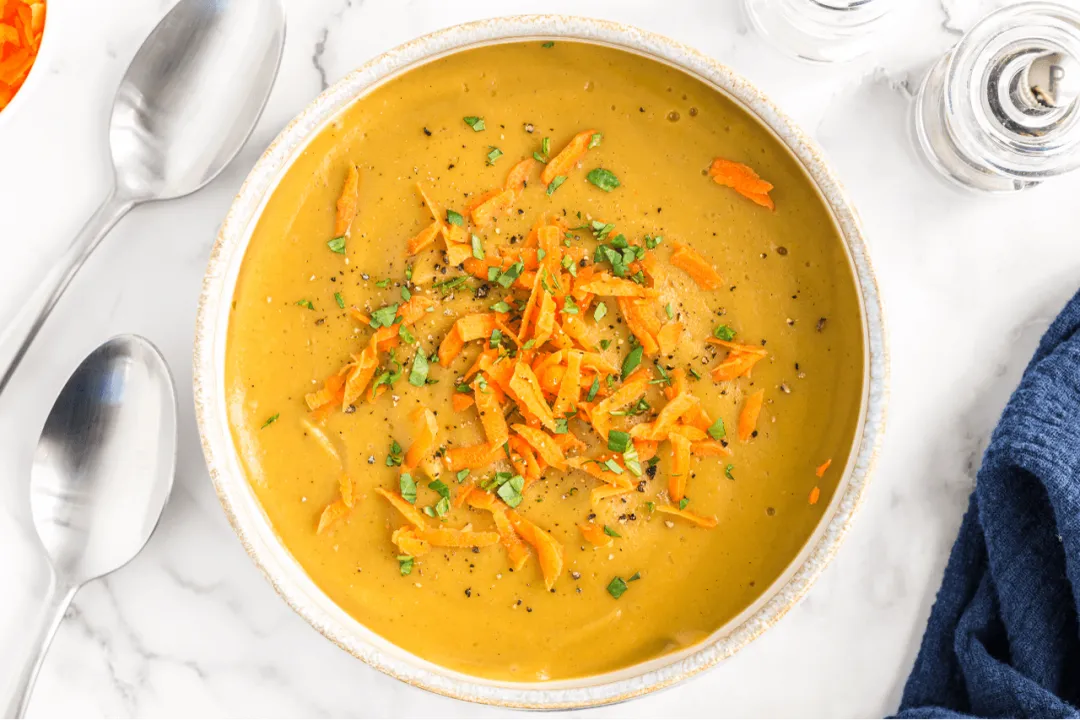
Split peas come in green and yellow varieties, both derived from the same plant but separated after drying. They are valued because they cook down until they lose their shape, creating a naturally creamy texture without needing added fats or thickening agents. This makes them an incredibly versatile base ingredient, far beyond the traditional soup exemplified by recipes like the "never get sick" soup.
Their affordability is another considerable advantage, allowing individuals to incorporate powerful, nutrient-dense food sources into their diet without high grocery bills. This ease of access and low cost means that consistent consumption, which is key for reaping long-term anti-inflammatory rewards, is highly achievable. People often default to soup, but think about texture replacement. Since split peas break down completely, they can mimic the creaminess of dairy or heavy starches in non-soup dishes. For instance, using pureed split peas as a thickener in a shepherd's pie topping instead of relying solely on potatoes offers a protein and fiber boost without adding significantly to the glycemic load, making the overall meal more stable for blood sugar regulation, which indirectly supports reduced inflammatory spikes.
# Digestion Notes
While the fiber content is a major advantage for gut health and inflammation management, it can present a hurdle for some individuals. The same compounds that feed good bacteria can also lead to increased gas and bloating, especially when first introducing them into a diet that has been low in fiber. This digestive sensitivity is not a sign that the peas are harmful, but rather an indication that the gut microbiota is adapting to the increased substrate.
For those new to split peas or sensitive to gas-producing foods, incorporating them slowly is advisable. Start with smaller portions, perhaps mixing them with more familiar, easily digested foods, and gradually increasing the serving size over several weeks. Cooking them thoroughly is also essential, as proper preparation helps break down some of the complex carbohydrates that cause discomfort. Furthermore, ensuring adequate hydration alongside high-fiber intake is necessary to allow the fiber to move smoothly through the digestive tract.
# Consistency Over Intensity
The literature supporting the health benefits of legumes emphasizes regular intake rather than sporadic, massive consumption. One bowl of split pea soup, while nutritious, will not single-handedly reverse systemic inflammation. The benefits accrue over time as the gut microbiome shifts toward a more favorable composition and as the regular influx of vitamins and minerals helps maintain cellular health and reduce oxidative stress.
When comparing split peas to other legumes, like black beans or lentils, the primary differences often lie in the cooking time and final texture rather than vastly different anti-inflammatory micronutrient profiles. All legumes share the core advantages of high fiber and protein. The choice between them often comes down to regional tradition, flavor preference, or the specific dish being prepared. However, the ease with which split peas dissolve into a smooth, thick consistency means they are perhaps the easiest legume to integrate into meals where a "beany" texture might be undesirable, thus broadening the opportunity for consistent inclusion in the average diet. Regularly choosing split peas as a go-to source for fiber and nutrients directly supports an anti-inflammatory lifestyle by providing steady support where it counts—in the digestive system.
Related Questions
#Citations
split peas | Health Topics - NutritionFacts.org
Split Peas Nutrition Facts and Health Benefits - Verywell Fit
[PDF] Anti-Inflammatory Diet - VA.gov
[PDF] Health Benefits of Split Peas - Coos County Friends of Public Health
Split Peas - Cook for Your Life
Anti-oxidant, anti-inflammatory and immunomodulating properties of ...
What is the healthiest type of bean? - MD Anderson Cancer Center
Are Peas Good for You? — What You Need to Know About Peas
Split Pea Never-Get-Sick-Soup - Food52