What to eat on Ozempic meal plan?
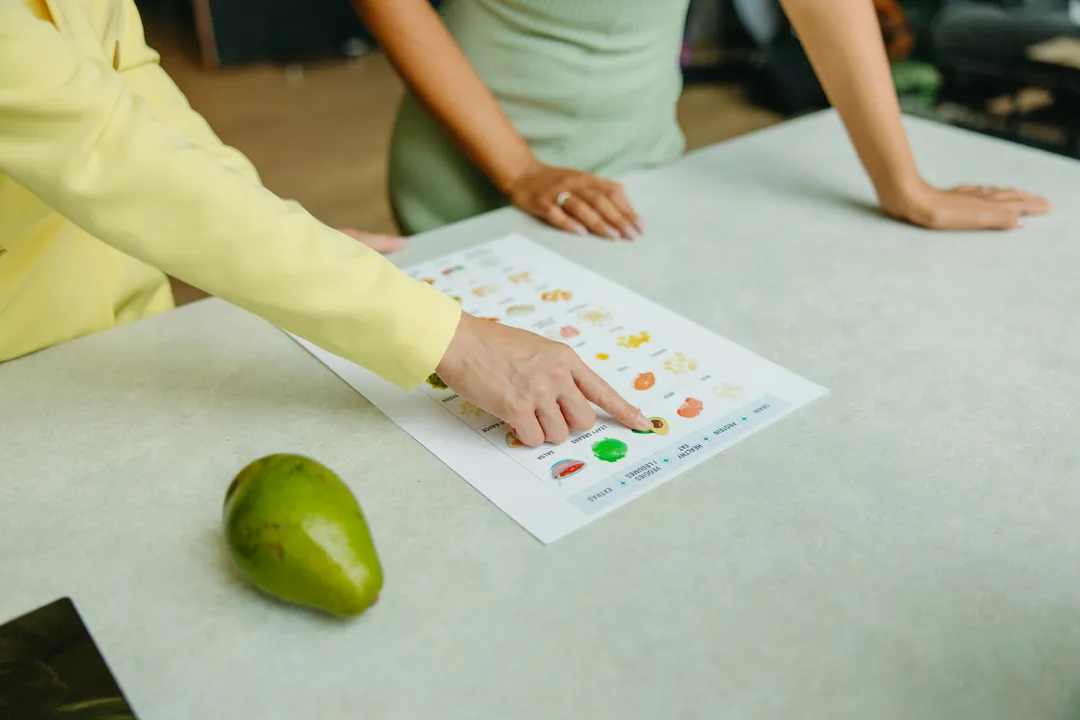
Making dietary adjustments while taking medications like Ozempic, which contain semaglutide, is a key part of maximizing results and ensuring comfort during the process. [1][4] These medications work by mimicking a hormone that slows down digestion and increases feelings of fullness, often leading to reduced appetite. [6][7] Because your body is processing food more slowly and you are likely consuming less volume overall, the quality of every bite becomes more important than ever before. [4][5] This isn't about following a rigid, overly restrictive regimen, but rather about choosing nutrient-dense foods that support your body, manage side effects, and align with your new satiety signals. [1][9]
The primary goal of eating while on this medication is twofold: providing the body with the essential building blocks it needs for health (like protein) while eating foods that digest easily and don't overload the slower system. [4][8] Since the drug slows gastric emptying, heavy, high-fat meals can linger uncomfortably, potentially leading to symptoms like nausea or bloating. [5][7] Therefore, the plan centers on smaller, more frequent, nutrient-packed meals. [1][5]
# Protein Priority
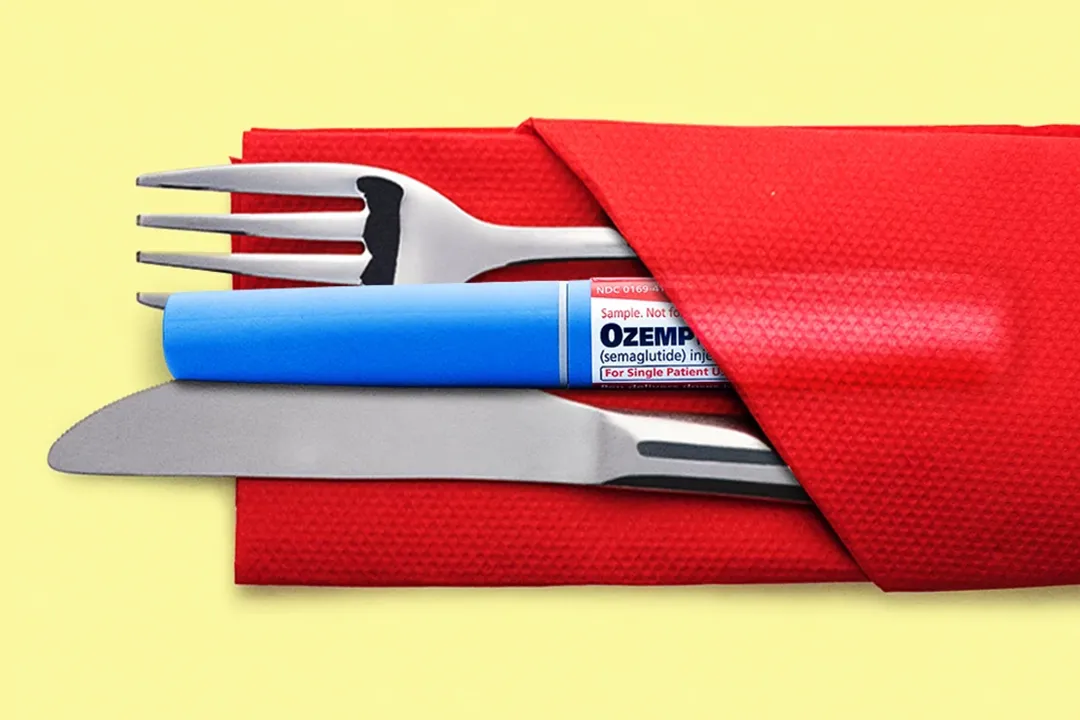
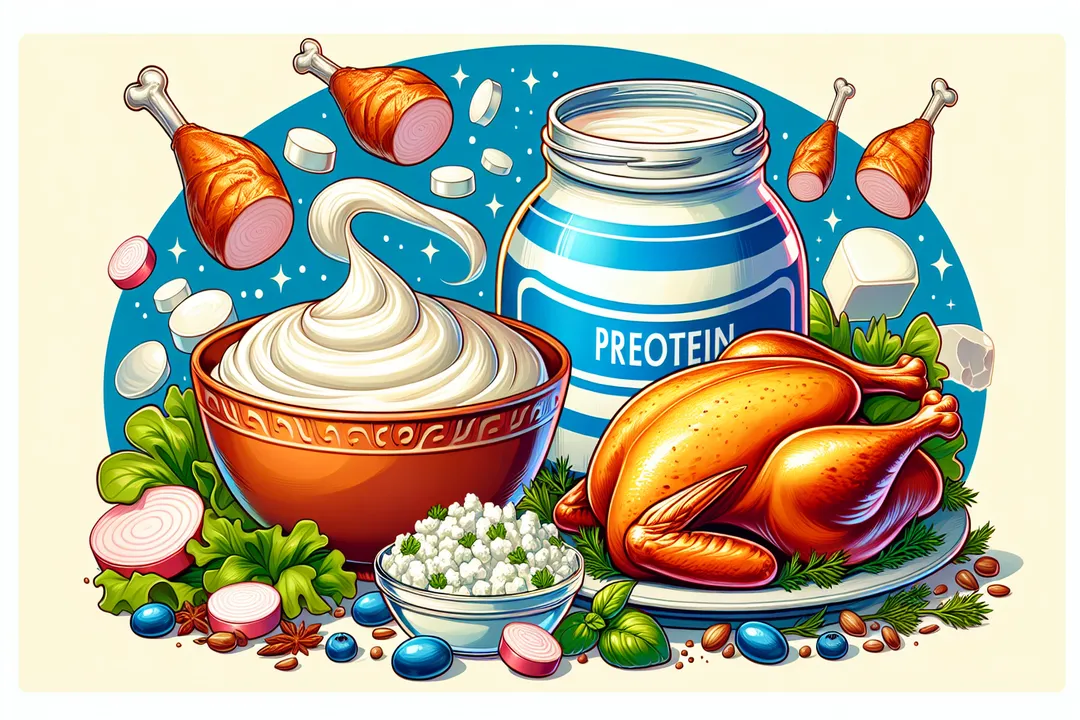
Protein is arguably the most critical macronutrient when you are on a GLP-1 medication for weight management. [8] When you reduce overall calorie intake, preserving lean muscle mass becomes essential for maintaining a healthy metabolism. [2][5] Protein requires more energy to digest than fats or carbohydrates, which can contribute slightly to feelings of fullness, and it is vital for muscle repair and retention. [8] Aiming for a source of lean protein at every meal or snack helps keep you satisfied between eating opportunities. [1][5]
Look toward sources that are easily digestible. Lean meats, poultry, fish, eggs, Greek yogurt, cottage cheese, and plant-based options like tofu or lentils are excellent choices. [2][9] You might find that your tolerance for dense protein sources changes throughout your treatment, especially when starting or increasing dosage; in those times, a protein shake or a hard-boiled egg might be better received than a large steak. [4]
# Fiber Foods
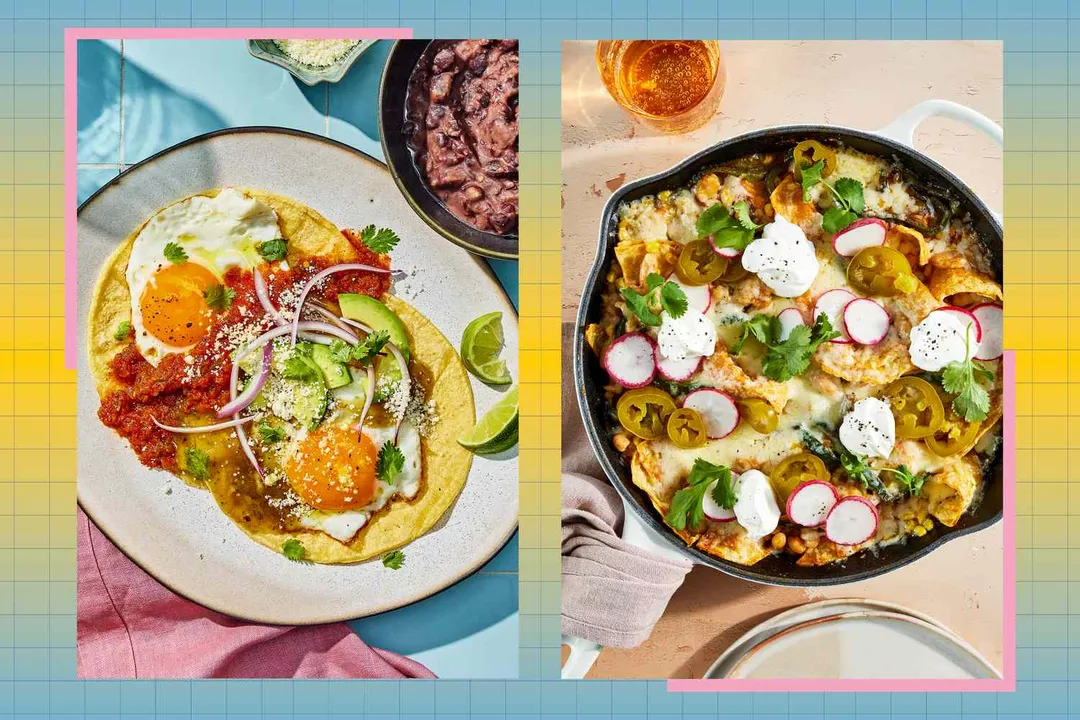
Fiber, especially soluble fiber, is another necessary component of this eating pattern. [2][5] It helps regulate the digestive system, which is particularly important given that medication-induced slowing of digestion can sometimes lead to constipation. [1][5] Fiber also adds bulk to meals without adding excessive calories, contributing to satiety. [9]
The best sources are often the same ones that provide vitamins and minerals: vegetables, fruits (with the skin on when possible), beans, legumes, and whole grains. [2][5] For instance, choosing steel-cut oats over refined white toast provides a slow, steady release of energy and supports gut health. [5]
# Healthy Fats
Fats are necessary for absorbing fat-soluble vitamins and providing energy, but they are the macronutrient that slows digestion the most. [8] Because Ozempic already slows things down, consuming excessive amounts of high-fat foods—even healthy ones like nuts or avocados—can exacerbate feelings of sluggishness or nausea. [4][7] The key here is moderation and selection.
Focus on monounsaturated and polyunsaturated fats in small amounts. Think about adding a quarter of an avocado to a salad, using olive oil sparingly for cooking, or incorporating a small handful of walnuts as a snack, rather than making high-fat items the centerpiece of a meal. [5]
# Embrace These
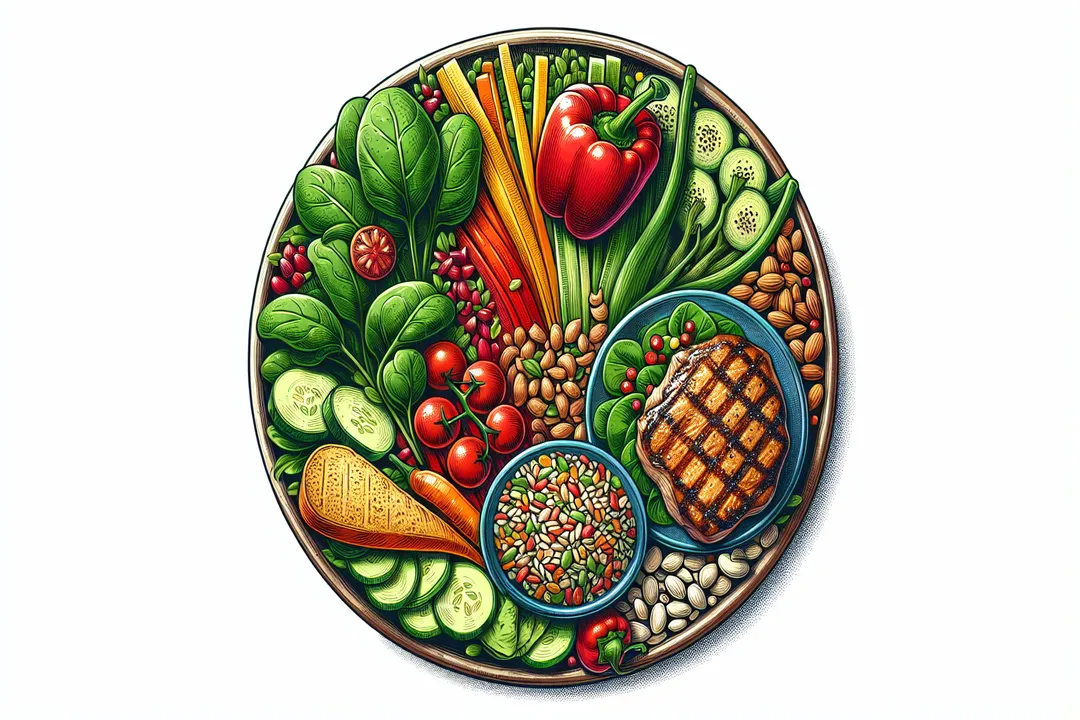
Structuring your plate around nutrient-dense, low-energy-density foods supports both weight loss and overall wellness. [1][5] A simple visual guide can be helpful when building meals, ensuring you prioritize volume from vegetables and lean protein. [8]
| Food Category | Best Examples | Why They Work |
|---|---|---|
| Lean Protein | Chicken breast, fish (salmon, cod), eggs, Greek yogurt | Muscle preservation and strong satiety cues [2][8] |
| Non-Starchy Vegetables | Leafy greens, broccoli, cauliflower, peppers, zucchini | High volume, high fiber, low calorie density [5][9] |
| Whole Grains | Quinoa, brown rice, oats, whole-wheat bread (in moderation) | Provides necessary fiber for digestive regularity [2][5] |
| Fruits | Berries, apples, pears (eaten whole) | Natural sweetness with beneficial fiber and hydration [9] |
When approaching your daily intake, consider that many effective plans suggest building your meals around vegetables first, then adding a lean protein source, and finally incorporating a small serving of whole grains or healthy fat. [5] If you are someone who often struggles to get enough vegetables in, try preparing a large batch of roasted non-starchy vegetables on a Sunday—think bell peppers, onions, and Brussels sprouts—and simply reheat a portion alongside your protein for lunch and dinner throughout the week. This proactive step ensures you meet your fiber goals without having to cook complex meals when you feel less hungry or perhaps a bit unwell. [1]
# Foods Limit
The goal of these medications is to reduce cravings and encourage smaller portions, but consuming items that offer little nutrition while taking up stomach space works against the medication’s effectiveness and can quickly trigger discomfort. [4][9] Foods high in added sugar and saturated/trans fats are the main culprits to minimize. [5]
Foods that are generally problematic include:
- Sugary Drinks: Soda, sweet tea, fruit juices (even 100% juice, as it lacks the fiber of whole fruit), and specialty coffees. [4][5] These liquids provide quick calories without contributing to satiety and can sometimes cause stomach upset. [4]
- Fried Foods: Anything heavily battered or deep-fried requires significant digestive effort. [9]
- Refined Carbohydrates: White bread, white pasta, sugary cereals, and pastries. [5] These often spike blood sugar quickly before crashing, which can leave you feeling unsatisfied soon after eating.
- Heavy Sauces and Creamy Dishes: Rich cream sauces, excessive amounts of cheese, or mayonnaise-based salads can be too dense for a stomach that is moving slower than usual. [7]
It is important to note that while the goal is weight loss, deprivation often leads to poor adherence. Instead of completely banning an occasional small treat, focus on making the majority of your intake align with whole foods. If you notice nausea is a frequent issue, try cutting out all sugary drinks for a week to see if that offers relief, as liquids often sit poorly compared to solids. [1]
# Water Intake
Staying hydrated is non-negotiable when taking GLP-1 agonists. [4] Slowed digestion can make dehydration more likely, and adequate fluid intake is necessary to help move fiber through the system, thus preventing constipation. [1][5]
Aim to sip water consistently throughout the day rather than gulping large amounts at once, which can lead to feelings of uncomfortable fullness or reflux. [4] While plain water is the gold standard, unsweetened herbal teas or water infused with fresh lemon or cucumber can add flavor variety. [4] You want to ensure you are consuming enough fluid to support your digestive tract without relying on beverages that contain sugar or artificial sweeteners that might still cause digestive distress for some individuals. [4][5]

# Eating Structure
The way you structure your meals changes significantly on this plan. Forget the traditional three large meals; think smaller, more frequent nourishment. [1][5] The medication essentially trains your stomach to empty slowly, meaning you will feel full faster and stay full longer. [6][7] Trying to force a large meal will almost certainly result in feeling overly stuffed, which can lead to discomfort or even vomiting, especially when starting the medication. [7]
A practical approach involves planning for three moderate meals and one or two small, protein-focused snacks. [1][8] Listen intently to your body's signals. You should stop eating when you feel satisfied, not when your plate is empty. [4] This takes practice because societal norms often encourage finishing what is served. [4]
To make this small-meal structure easier to maintain, consider portioning out your weekly groceries immediately. For example, if you buy a large container of cottage cheese, divide it into six small containers right away. When mealtime rolls around, you are grabbing a pre-portioned snack rather than trying to gauge a small amount from a large container, which removes a decision point when your appetite is already suppressed. [1] This simple act of upfront division streamlines compliance significantly.
# Manage Effects
Many people experience gastrointestinal side effects, particularly when starting the medication or increasing the dose. Nausea, acid reflux, and constipation are common hurdles. [1][5] Your food choices directly impact how well you manage these symptoms.
If you struggle with nausea, stick strictly to bland, easy-to-digest foods temporarily. Think crackers, broth, plain baked chicken, or toast. [1] Avoid strong smells, high-fat foods, and spicy items until the nausea subsides. [5]
For constipation, increase fiber and fluid simultaneously. [1][5] Soluble fiber needs water to move properly; without it, fiber can actually worsen the issue. Incorporate more foods like applesauce (without added sugar), cooked carrots, or adding ground flaxseed to yogurt, while actively tracking your water intake. [5]
When dealing with reflux or heartburn, avoid lying down immediately after eating, which is good general advice but even more critical here. [1] Also, limit known triggers like caffeine, alcohol, very spicy foods, and large meals, as the stomach contents sitting longer can increase pressure on the esophageal sphincter. [5]
# Effective Strategy
Combining the principles of nutrient density, careful portioning, and managing side effects leads to an effective, personalized plan. [8] Because individual tolerance varies—what one person tolerates well in terms of fat or spice, another may not—you must view your diet as an ongoing experiment guided by your body’s feedback. [4]
It is often helpful to keep a brief food and symptom journal for the first few weeks. Note what you ate, the portion size, and how you felt two hours later. You might discover, for example, that while lentils are healthy, they cause bloating for you specifically, suggesting you should lean more heavily on eggs and fish for your protein intake. [8]
Another consideration involves local availability and cost. In many regions, fresh, seasonal produce is significantly cheaper and tastes better than out-of-season options. Adjusting your vegetable choices monthly to center around what is locally abundant—say, focusing on root vegetables in the winter and squashes in the fall—not only keeps your diet fresh and interesting but can also make the adherence to a high-vegetable plan more financially sustainable than always trying to buy exotic or out-of-season berries year-round. [2] This flexibility is what makes the diet work long-term rather than adhering to a static template that doesn't suit your environment or budget. [1][8]
Ultimately, the diet on Ozempic supports the medication's mechanism: eat less food, choose better food, and be mindful of how your body responds to what you consume. [4][7]
#Videos
The BEST Ozempic Diet Plan (What to Eat for MAX Weight Loss!)
Related Questions
#Citations
The Ozempic Diet Plan: What to Eat, What to Avoid (2025)
Simple 7-Day GLP-1-Friendly Meal Plan for Beginners - EatingWell
Your Ozempic Diet Plan for Healthy Weight Loss (+ Free PDF)
What to Eat on Ozempic (or Any GLP-1) in Your 30s, 40s, 50s, 60s+
Your Ultimate Ozempic Meal Plan Guide: What to Eat for Effective ...
GLP-1 Diet: What To Eat & Avoid - Cleveland Clinic
The BEST Ozempic Diet Plan (What to Eat for MAX Weight Loss!)
Ozempic diet plan: What to eat for the best results (with free PDF)
Ozempic Diet Plan: Best Foods to Eat & Which to Avoid ... - Zaya Care
What to Eat and Avoid When Taking Weight Loss Medications - AARP