What is the healthiest bean in the world?

The quest to identify the single “healthiest” bean on the planet is a bit like asking which color is the best; the answer depends entirely on the nutritional goal you are trying to achieve. While a definitive, single champion rarely emerges in nutritional science, the category of legumes—beans, lentils, and peas—stands out as a nutritional powerhouse across the board. They are foundational foods for longevity and health, primarily due to their remarkable combination of complex carbohydrates, high levels of dietary fiber, and significant protein content, all delivered in a low-fat package.
# Nutritional Foundation
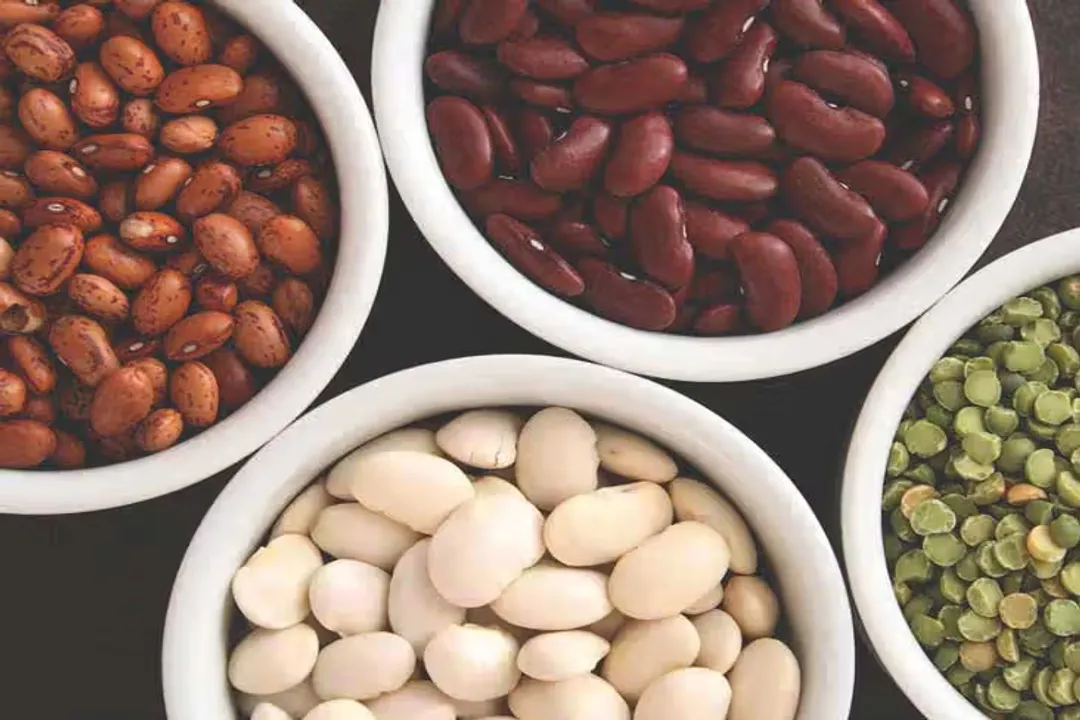
Legumes are incredibly dense in nutrients that support everything from gut health to cardiovascular function. The high fiber content is perhaps their most celebrated trait, aiding in digestive regularity and helping to manage blood sugar levels by slowing down the absorption of glucose. This characteristic is why beans generally score low on the glycemic index (GI), making them excellent choices for maintaining stable energy throughout the day. Furthermore, this soluble and insoluble fiber acts as a prebiotic, feeding the beneficial bacteria in your gut, which is a cornerstone of overall wellness.
Protein is the other major component that vaults beans into the superfood category. For those reducing or eliminating meat consumption, beans offer a substantial, cost-effective alternative, packing a significant protein punch per serving. While most beans are not complete proteins on their own—meaning they lack sufficient amounts of one or more essential amino acids—this is easily remedied by pairing them with grains throughout the day, like serving black beans with rice.
# Micronutrient Leaders
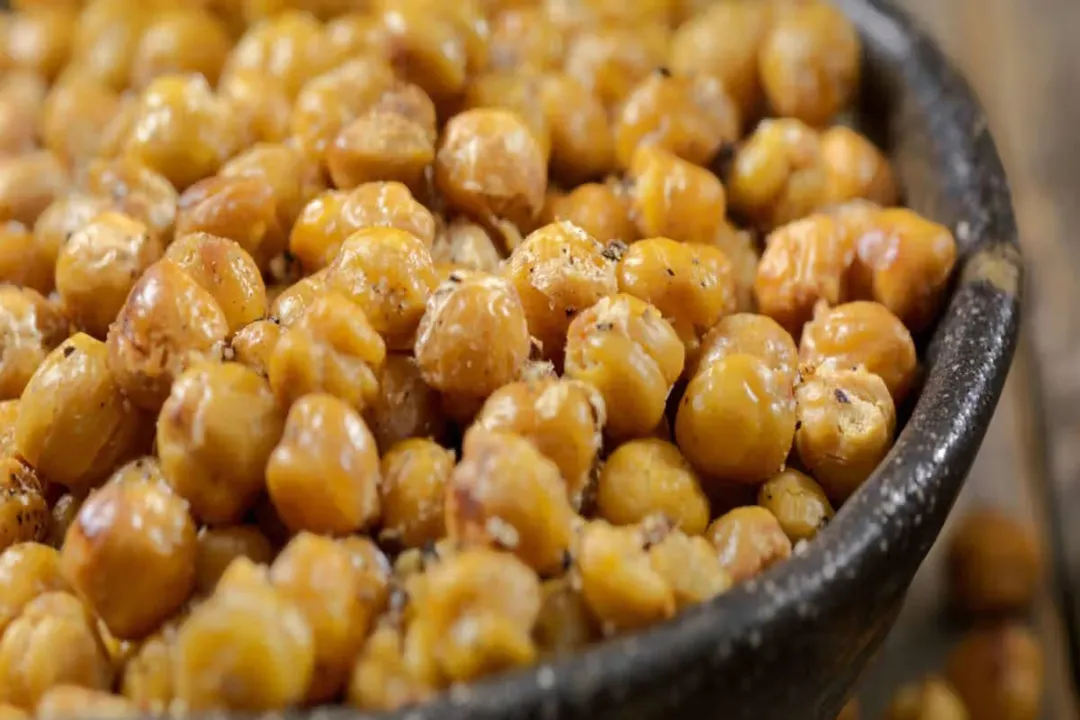
When drilling down into specific vitamins and minerals, different beans begin to shine in distinct areas. For instance, if your focus is on antioxidants, black beans often rise to the top. Their dark coloration signals a high concentration of anthocyanins, the same beneficial compounds found in blueberries and grapes, which are associated with reducing inflammation and protecting cells from damage.
If iron and folate are your primary concerns, kidney beans and lentils frequently feature prominently. Folate (Vitamin B9) is crucial for cell division and is particularly important during periods of rapid growth or pregnancy. Lentils, in particular, are lauded for offering substantial amounts of iron, magnesium, and potassium. Magnesium is vital for hundreds of biochemical reactions in the body, including nerve and muscle function, while potassium helps balance fluid levels and support healthy blood pressure.
Soybeans stand apart from many other common beans because they are considered a complete protein, containing all nine essential amino acids in adequate amounts, much like meat or eggs. This makes them uniquely valuable in plant-based diets where protein balancing is a primary consideration. They also offer healthy fats, including omega-3 fatty acids, which is less common for beans and contributes to heart health benefits.
# Garbanzo Greatness
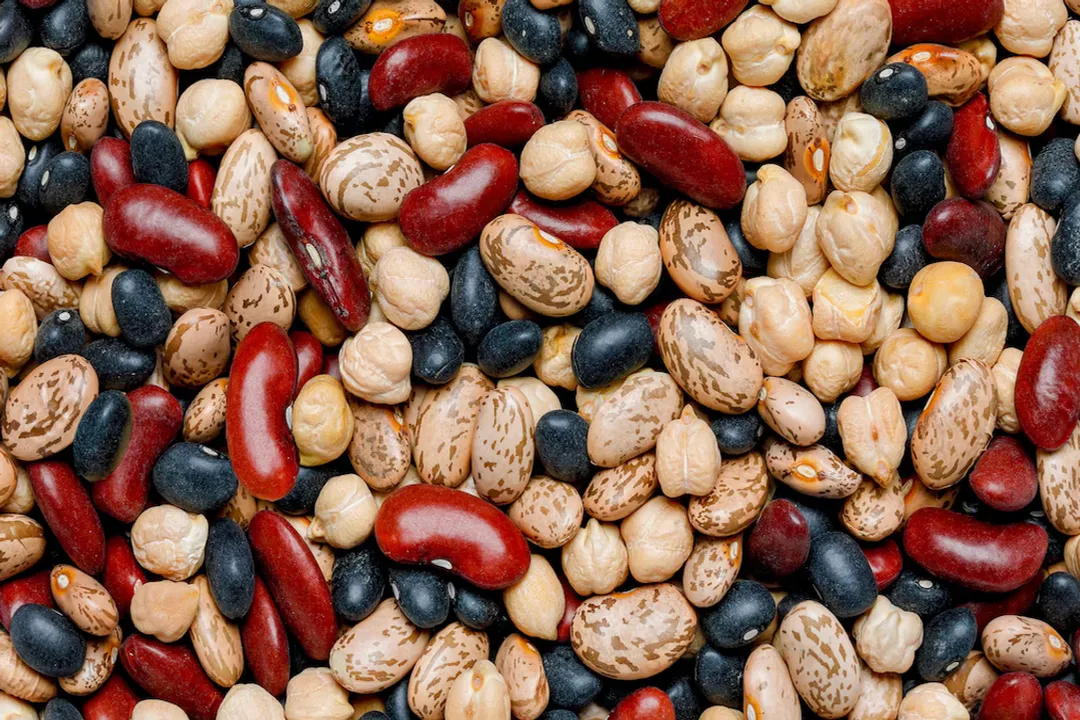
Chickpeas, also known as garbanzo beans, frequently appear in discussions about top-tier health foods due to their unique mineral profile and versatility. They offer significant amounts of manganese, a trace mineral involved in metabolism and bone formation, and molybdenum, which helps the body break down certain toxins. Furthermore, chickpeas provide a good source of phosphorus, necessary for strong bones and teeth, and selenium, an essential mineral for thyroid function. When you examine nutrient density—the amount of beneficial nutrients packed into a standard serving—chickpeas rank highly among legumes.
To get a sense of how some of these common contenders stack up on core metrics, consider this generalized comparison based on typical cooked serving sizes:
| Bean Type | Approx. Protein (grams/cup) | Approx. Fiber (grams/cup) | Key Highlight |
|---|---|---|---|
| Black Beans | 15 | 15 | High in Anthocyanin Antioxidants |
| Kidney Beans | 15 | 13 | Excellent Source of Folate |
| Chickpeas | 15 | 12.5 | Rich in Manganese and Molybdenum |
| Lentils | 18 | 15.5 | Highest in Protein and Fiber density |
| Soybeans (Edamame/Mature) | 25+ | 10+ | Complete Protein Source |
This comparison highlights that lentils often take the edge in raw protein and fiber density, but the "healthiest" choice still depends on what specific nutrients the consumer needs most that day.
# Digestive Practicality
While the raw nutritional data is important, the true measure of the healthiest bean for an individual must incorporate digestive compatibility. A bean with the highest fiber count is fantastic on paper, but if consuming it leads to significant bloating and digestive distress, that person will naturally avoid it, rendering its benefits inaccessible. The compounds responsible for the infamous gas after eating beans are certain complex sugars called oligosaccharides. The preparation method directly impacts how much of these gas-producing compounds remain.
For example, proper soaking—discarding the soaking water and using fresh water for cooking—can significantly reduce these indigestible carbohydrates before the beans even hit the heat. Cooking them thoroughly, to the point where they are soft and their skins are easily broken, further aids digestion. For someone highly sensitive, opting for split or hulled legumes, like red lentils, which cook down quickly and are generally easier on the stomach than whole beans with tough skins, might make them the practically healthiest choice, despite other beans having slightly higher initial nutrient counts. Paying attention to preparation is a form of personalized nutrition that supersedes simple nutrient rankings.

# Rotation Strategy
Fixating on one single "super-bean" can inadvertently lead to missing out on the broader spectrum of benefits legumes offer. A far more effective strategy for maximizing the health return on your bean consumption is nutrient rotation. Think of your legume intake not as a single choice but as a diverse portfolio. By rotating your choices across the week—perhaps black beans on Monday for antioxidants, lentils on Wednesday for robust protein and iron, and chickpeas on Friday for manganese—you ensure a wider array of phytochemicals and minerals enter your system.
Consider this simple weekly integration approach: If you aim to eat beans three times a week, intentionally select three different types. This practice guarantees you cover the bases from the complete protein of soy to the folate power of kidney beans, all while enjoying the unique flavors and textures each offers. This diversification minimizes the risk of consuming too much of one specific anti-nutrient or compound, while maximizing the overall input of beneficial plant compounds. It moves the focus from finding the single best bean to building the single best bean-eating habit.
# Accessibility and Preparation
The final factor separating a theoretically healthy bean from one that contributes positively to your long-term health is accessibility and ease of preparation. A bean that is expensive, difficult to find in your area, or requires an eight-hour soak when you often decide what to eat five minutes before dinner, is less likely to be consumed regularly. Canned beans offer convenience, but it is wise to rinse them thoroughly under running water to reduce their sodium content, which can add up quickly. For those needing speed without the sodium of cans, exploring frozen or pre-cooked dried lentils, which require minimal cooking time, offers an excellent middle ground between raw nutrition and convenience. The healthiest bean in the world, after all, remains the one you actually prepare and eat consistently.
Related Questions
#Citations
What is the healthiest type of bean? - MD Anderson Cancer Center
The 9 Healthiest Beans and Legumes You Can Eat - Healthline
The 7 Healthiest Beans to Eat, According to Dietitians - EatingWell
Which beans/legumes are the most nutritious? : r/vegan - Reddit
Which Dried Beans are Most Nutritious? - Harmony House Foods
24 of the Healthiest Beans Ranked by Nutrient Density - Intake Health
Beans are a nutrient dense food. But which ones are best?
Are chickpeas the healthiest bean? Nutrition experts explain the ...
Which Bean Is the Healthiest? 7 Healthy Beans, Health Benefits
6 healthiest beans: Benefits and nutrients - Medical News Today