Which type of asparagus is the healthiest?
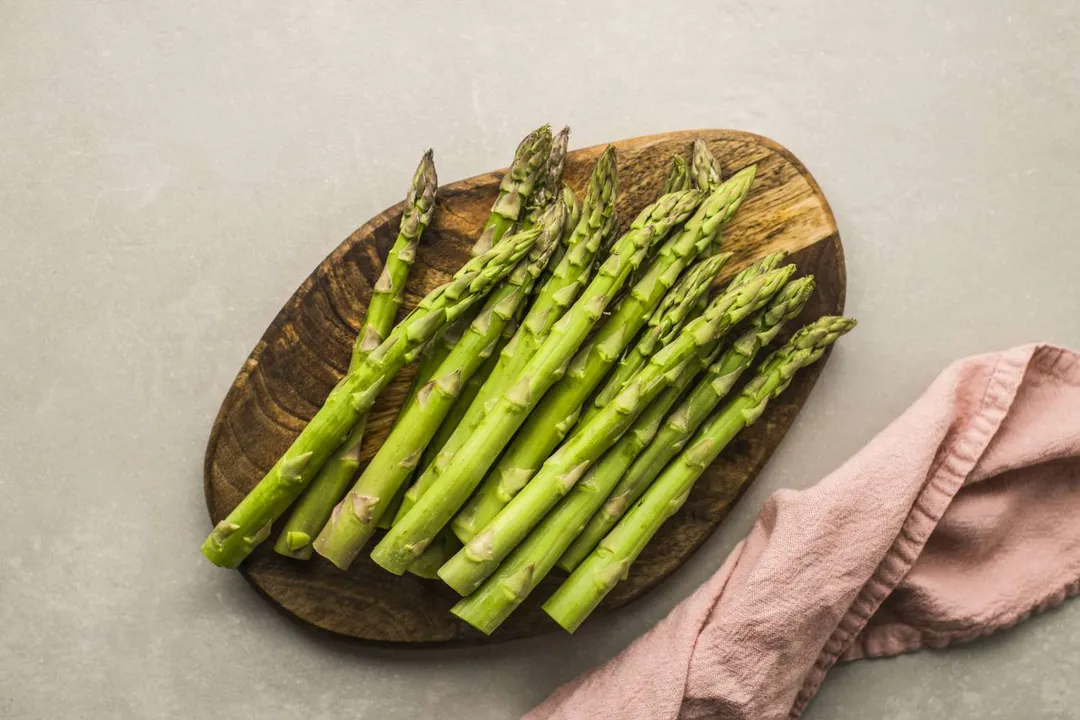
When choosing asparagus from the market, the vibrant green spears are usually the most common sight, but often you might spot paler white stalks or even hints of purple. The question isn't just about visual appeal or flavor preference; the color variations signal real differences in how the vegetable was grown and what powerful compounds it contains. [1][5] Understanding these differences helps consumers decide which spears align best with their nutritional goals, as each hue brings a slightly different profile to the table. [7]
# Color Basis
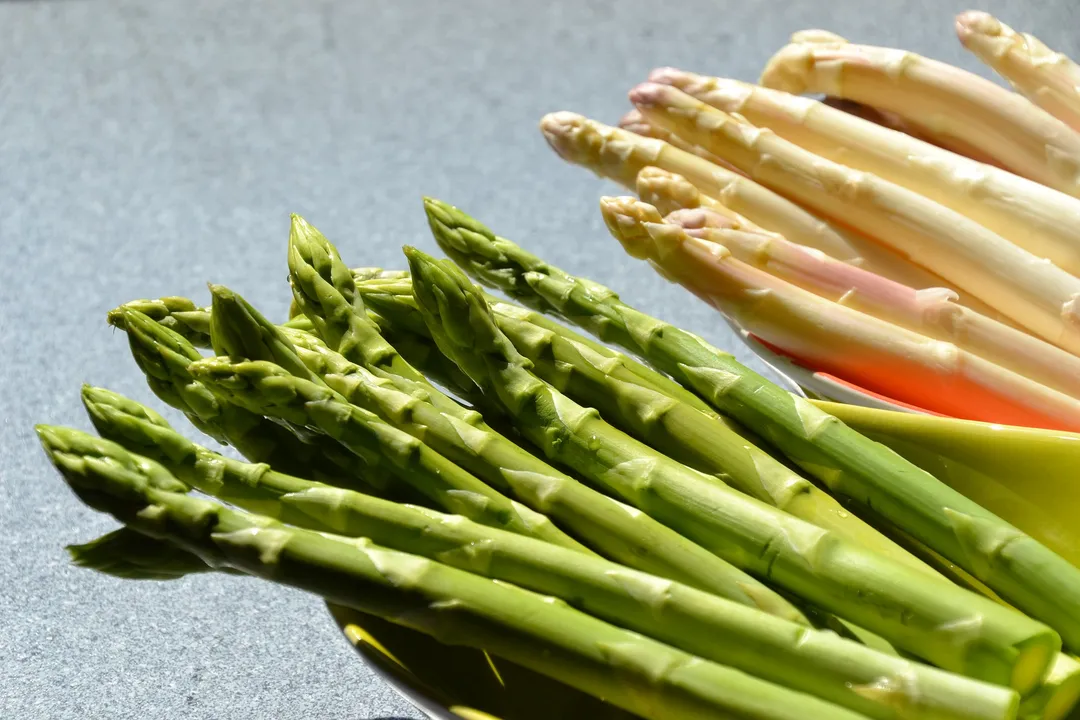
The primary distinction between the types of asparagus—green, white, and purple—comes down to exposure to sunlight during their growth cycle. [3][4][9] Green asparagus is the standard variety; it grows above the soil and develops chlorophyll, the pigment that gives plants their green color. [1][3] This chlorophyll development is essential for photosynthesis, the process that allows the plant to create energy and various beneficial compounds. [7]
White asparagus, conversely, is intentionally deprived of sunlight. [4][5] This is achieved by "hilling up" soil or covering the developing spears with opaque material as they grow. [3][9] Without sunlight, the spears do not produce chlorophyll, resulting in their characteristic white color and a milder, slightly more delicate flavor profile compared to their green counterparts. [1][5] The method of growing white asparagus requires more labor, which often translates to a higher price point in the grocery store. [1]
Purple asparagus is less common but presents yet another variation. [7] This color comes from the presence of anthocyanins, which are powerful antioxidants also found in grapes and red cabbage. [7] Like green asparagus, purple varieties are allowed to grow in the sun, but they contain significantly higher concentrations of these beneficial pigments. [7]
# Green Versus White Nutrients

The difference in growing conditions directly impacts the nutritional makeup, particularly concerning vitamins and antioxidants. [7] Since green asparagus matures in the sun, it naturally synthesizes more chlorophyll, which contributes to its robust nutritional profile. [1][7]
When comparing the two main types, white asparagus is generally considered to have lower concentrations of certain vitamins and minerals because it lacks the sun-induced development that green asparagus undergoes. [3] While both types share similar fiber and folate content, the greener spears tend to boast higher levels of certain key nutrients. For instance, green spears contain more Vitamin C and Vitamin A than white spears. [1] Furthermore, the green spears will also contain more asparagine, an amino acid that gives the vegetable its distinctive, somewhat pungent odor when cooked or eaten. [1]
It is interesting to note that while white asparagus is lower in chlorophyll-dependent compounds, it still offers significant health advantages and is not nutritionally inferior overall, merely different. [4] Its milder flavor profile makes it a popular choice for dishes where a less assertive vegetable note is desired, meaning that while green might win on sheer antioxidant quantity based on pigmentation, white wins on versatility for certain palates. [5] If you are looking to maximize your intake of compounds that specifically thrive with sun exposure, such as beta-carotene, green is the clear winner. [7]

# Purple's Special Compounds

The presence of anthocyanins sets purple asparagus apart. [7] Anthocyanins are a type of flavonoid known for their antioxidant activity. [2] These compounds are what give many berries and purple vegetables their deep coloring and are believed to offer various health protective qualities. [7] This means that purple asparagus offers a distinct advantage in terms of this specific antioxidant group, one that neither standard white nor standard green asparagus can match when comparing raw pigment concentrations. [7]
However, if purple asparagus is cooked extensively, these delicate anthocyanins can degrade, potentially diminishing the unique benefit they offer. [7] A practical approach, therefore, involves consuming purple asparagus lightly cooked—perhaps quickly steamed or roasted—to preserve as much of that vibrant purple color and its associated compounds as possible. [7]
# General Wellness Profile

Regardless of the color you select, asparagus, in general, is recognized as a nutritional powerhouse. [6][8] It is low in calories, containing only about 20 calories per five-spear serving. [8] Asparagus is an excellent source of Vitamin K, which is essential for blood clotting and bone health. [8] It also provides a notable amount of folate (Vitamin B9), which is critical for cell division and is particularly important during pregnancy. [8]
The vegetable is also rich in dietary fiber, supporting digestive health. [8] From a mineral perspective, it contains Vitamin E, thiamin, riboflavin, and niacin, alongside minerals such as copper, iron, and manganese. [8] Furthermore, asparagus contains inulin, a prebiotic fiber that feeds beneficial gut bacteria. [6] This prebiotic effect supports a healthy gut microbiome, which plays a role in overall wellness far beyond simple digestion. [6] Considering the array of vitamins, minerals, and fiber present across all varieties, enjoying any color of asparagus regularly contributes positively to dietary quality. [2]
# Selection and Preparation Insights
When standing in front of the asparagus display, it's easy to focus only on texture, but considering the intended meal can guide your choice. If you are making a light vinaigrette salad where the vegetable's inherent flavor will shine through, choosing sun-ripened green spears will likely give you the highest dose of many traditional vitamins and chlorophyll. [1] Conversely, if you are blanching spears to fold into a creamy sauce or a delicate quiche, white asparagus provides the desired mildness without competing with other flavors. [5]
Here is a simplified comparison to frame your purchasing decision:
| Asparagus Type | Key Pigment/Compound | Primary Benefit Focus | Typical Flavor |
|---|---|---|---|
| Green | Chlorophyll | Higher Vitamin A & C, general sun-grown nutrients [1][7] | Earthy, pronounced |
| White | Lack of Pigment | Milder taste, lower in certain sun-dependent nutrients [1][3] | Tender, mild |
| Purple | Anthocyanins | High concentration of antioxidant flavonoids [7] | Sweeter, less grassy |
One helpful, practical tip for maximizing nutrient intake across the season is to intentionally mix the colors if you have access to them. Think of it as nutritional rotation. If you buy green spears for one week's stir-fries, look for purple ones the next week to specifically boost your anthocyanin intake, ensuring you benefit from the unique antioxidant packages each spear type provides. [7] This approach prevents relying too heavily on a single profile.
Another consideration involves the texture and structure. White asparagus spears are often thicker and more tender than green ones because they are harvested earlier and kept protected, resulting in less tough fiber development. [1] If your goal is to consume the maximum amount of fiber per serving, you might find that eating slightly larger stalks of green asparagus provides a higher total fiber count simply due to their overall size and more robust structure by the time they are harvested, even if the percentage is similar between the two. [8] This highlights that preparation style—peeling the woody ends of white spears versus trimming the fibrous base of green ones—affects the final edible portion and, thus, the nutrient density of what you actually consume.
Related Questions
#Citations
The Difference Between White, Green, and Purple Asparagus
Green and White Asparagus (Asparagus officinalis): A Source of ...
What's the Difference Between Green and White Asparagus?
What Is White Asparagus? - EatingWell
What Is White Asparagus And How Does It Differ From Other ...
All About Asparagus - Austin County Extension Office
Which color Asparagus? The many health benefits of the seasonal ...
Asparagus Nutrition, Health Benefits, Risks and Recipes - Dr. Axe
The Best Type of Asparagus to Grow: Green, Purple, or White?