Is hawthorn hard on the liver?
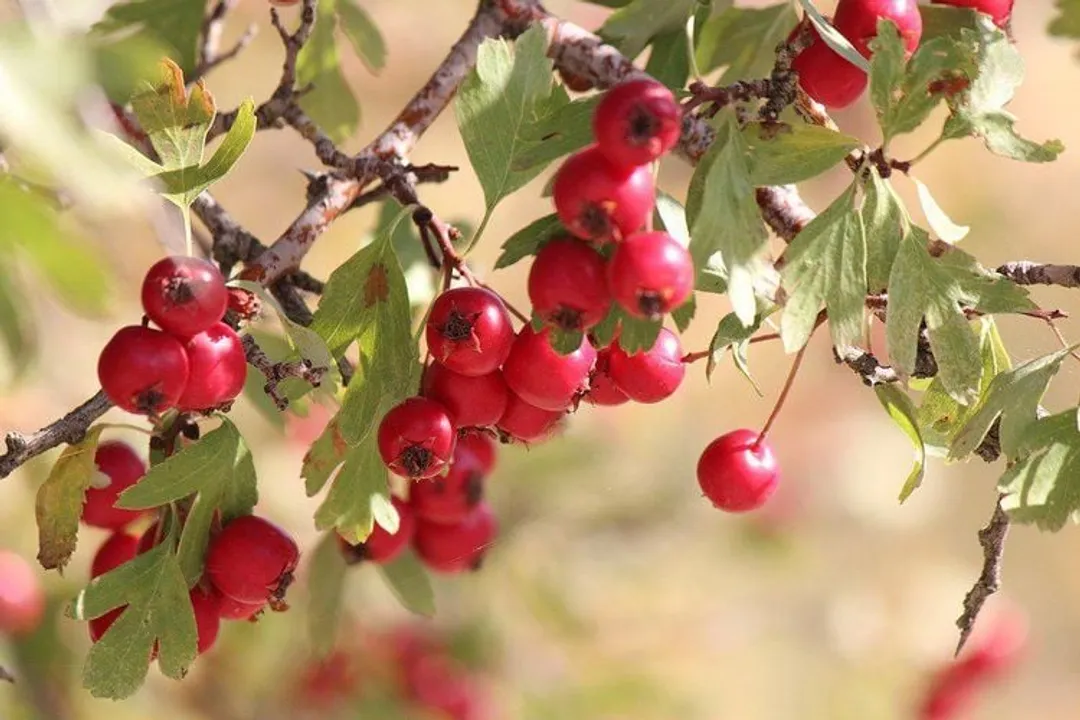
The inquiry into whether hawthorn poses a risk to the liver often arises when people consider adding this botanical to their health regimen, particularly since it is widely recognized for its cardiovascular benefits. [2][7] However, much of the scientific literature points in the opposite direction, suggesting that components of hawthorn may actually offer protective benefits to the liver rather than causing harm. [1][4][8] To understand this relationship, one must look closely at the active compounds within the plant and the context of its traditional and modern application.
# Heart Focus
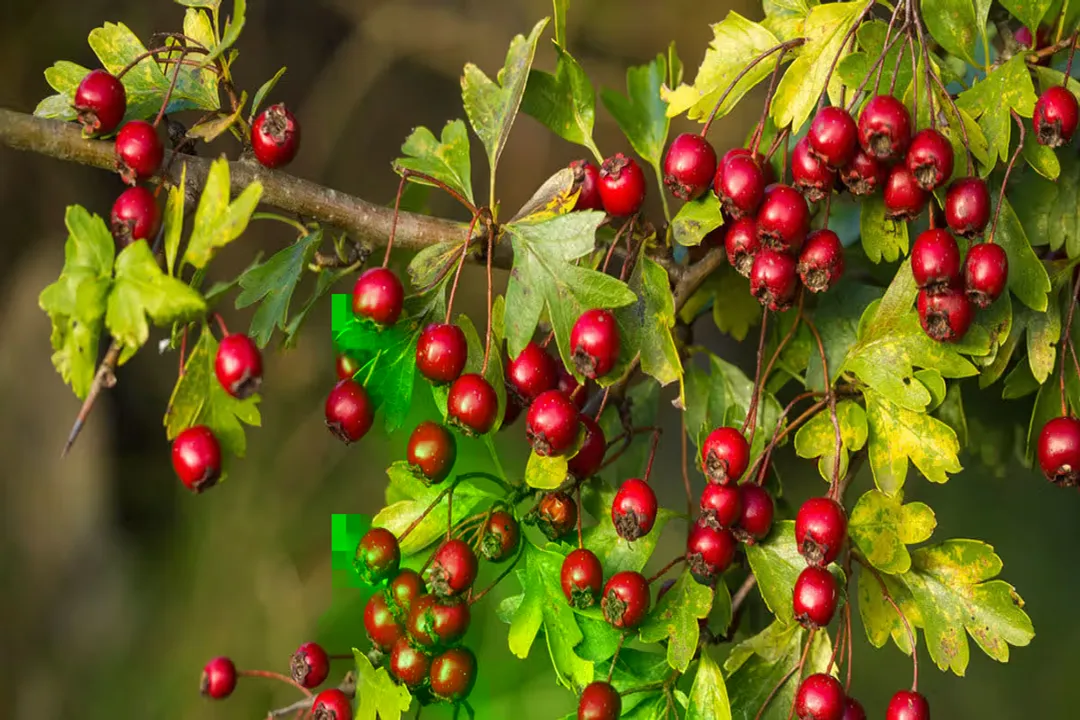
Hawthorn, derived from the Crataegus genus, has a long history of use primarily focused on supporting heart health. [2] Its constituents, which include flavonoids and procyanidins, are believed to contribute to these effects by relaxing blood vessels and improving blood flow. [3][7] When individuals begin taking hawthorn for cardiac support, a natural secondary question arises: what is the impact on other vital organs, such as the liver, which manages the metabolism of almost everything we ingest? The liver is the body's primary detoxifier, making any supplement intake a relevant consideration for its long-term function. [1]
# Evidence of Protection
The body of research investigating hawthorn's interaction with the liver generally highlights hepatoprotective roles. [8] Studies have looked into how hawthorn extract might guard the liver against damage induced by various stressors, including aspects of a poor diet or alcohol consumption. [1] The mechanisms supporting this protective quality appear to stem from the herb's potent antioxidant and anti-inflammatory capacities. [1][3]
# Antioxidant Activity
The presence of various bioactive compounds allows hawthorn to combat oxidative stress, which is a key driver of cellular damage in many organs, including the liver. [3] Oxidative stress occurs when there is an imbalance between the production of harmful free radicals and the body's ability to detoxify them or repair the resulting damage. [1] By scavenging these free radicals, hawthorn components can help maintain the integrity of liver cells. This process is central to preventing the progression of various liver pathologies. [3][9]
# Inflammation Management
Liver damage often involves an inflammatory response. If this inflammation becomes chronic, it can lead to more serious conditions. [1] Hawthorn extracts have been studied for their ability to modulate inflammatory pathways. [9] By reducing excessive inflammation associated with dietary insult or toxin exposure, hawthorn may assist the liver in maintaining its normal function and reducing injury markers. [1][8]
# Dietary Context Comparison
When considering potential harm, it is instructive to compare how hawthorn is viewed relative to other substances or foods that are known to challenge liver function. For instance, general wellness advice often cautions against consuming excessive amounts of processed fruit juices or certain high-sugar fruits, which can contribute to the buildup of fat in the liver if overconsumed. [6] Hawthorn, when consumed in its fruit form or standardized extract doses that align with therapeutic recommendations, does not generally fall into the category of substances that actively promote hepatic steatosis or direct chemical injury. [4] The known benefits of the fruit, such as supporting detoxification processes, stand in contrast to items explicitly named as needing avoidance for liver health. [4][6]
# Dosage and Concentration Matters
While the evidence points toward protective qualities, it is essential to distinguish between the whole fruit consumed as food and highly concentrated supplements or extracts taken daily over long periods. The majority of research demonstrating hepatoprotective effects uses specific, often standardized, extracts. [1][5][9]
Consider that an extract used in a clinical study might contain a much higher concentration of active flavonoids than what someone would ingest by eating a handful of fresh hawthorn berries. [3] This difference in concentration is where caution should always be applied with any herbal preparation. Although the sources provided do not cite specific instances of acute liver failure directly attributed to standard hawthorn dosing, the general rule for concentrated botanicals remains: more is not necessarily better. [2]
If you are considering a high-dose regimen of hawthorn extract, reflecting on the concentration of the product versus the therapeutic dose used in clinical trials can offer perspective. For example, if you are supplementing with a 500mg capsule standardized to 2% vitexin, you are receiving a level of active compounds far exceeding typical dietary intake. This is beneficial when targeting cardiovascular outcomes, but it warrants monitoring, especially if you have pre-existing liver conditions.
# Safety Profile and Interactions
Safety profiles for hawthorn generally list gastrointestinal issues, such as stomach upset, as possible side effects when taken orally, but hepatotoxicity is not a common finding in summaries of adverse events. [2] This relative lack of reported liver toxicity, combined with research showing protective effects, suggests that under normal usage guidelines, hawthorn is not "hard" on the liver. [1][4]
A critical factor often overlooked when discussing supplements is the potential for drug-herb interactions, an area where the liver plays the central metabolic role. While hawthorn may protect the liver from other insults, it is still metabolized by liver enzymes. If an individual is taking prescription medications that are also heavily processed by the cytochrome P450 enzyme system in the liver—such as certain statins, blood thinners, or anti-arrhythmics—hawthorn could theoretically alter how quickly or slowly those drugs are cleared from the system. [9] This is not the same as causing direct damage, but it represents an indirect functional challenge to the liver's processing capabilities. Therefore, open communication about all supplements taken is paramount for anyone under medical care for heart or liver conditions.
# Contextualizing Supplement Use
For readers navigating the world of botanical medicine, understanding that protective mechanisms are not an automatic license for unlimited use is key. Imagine a scenario where someone is recovering from an episode of alcohol-induced liver injury. While hawthorn might be theoretically helpful due to its antioxidant profile, [1] simultaneously introducing it alongside a medication for a concurrent heart condition requires careful oversight. If the goal is pure dietary support from the fruit, the risk profile remains very low, aligning with other beneficial fruits. [4] If the goal is pharmacological support via high-concentration extracts, professional guidance is necessary to ensure the herb assists, rather than complicates, the liver’s recovery or maintenance work.
# Liver Status Indicators
When evaluating the safety of any long-term supplement, monitoring general health indicators can be a prudent step, even when the source material seems reassuring. While blood tests are the definitive measure, general signs of liver distress might include persistent fatigue, unexplained nausea, or changes in urine or stool color. Since hawthorn is being introduced for heart support, paying attention to how you feel overall—beyond just your cardiovascular markers—provides a baseline assessment. If you notice new or worsening symptoms after starting hawthorn, it serves as a trigger to review your entire supplement and medication load with a healthcare provider. [2] This proactive step ensures that while you are aiming for cardiac benefits, you are not inadvertently overloading the system responsible for processing the supplement itself. [9]
# Bioactive Components Snapshot
To further appreciate why hawthorn is associated with protection rather than harm, considering its key active components reinforces the biochemical rationale.
| Compound Group | Associated Benefit | Source of Effect |
|---|---|---|
| Flavonoids | Antioxidant, Anti-inflammatory | General cellular protection [3][7] |
| Procyanidins | Vascular support, Potent antioxidant | Improved blood flow and stress reduction [3] |
| Triterpenic Acids | Potential enzyme modulation | Systemic health support [5] |
This profile clearly leans toward protective and therapeutic actions rather than known hepatotoxic mechanisms common to heavy metals or certain pharmaceutical agents. [1][3]
In summary, the available scientific and practical data suggests that hawthorn is not inherently hard on the liver; in fact, research often positions its extracts as hepatoprotective agents due to their ability to combat oxidative stress and inflammation. [1][8] Prudence dictates that high-potency extracts must be managed carefully, particularly regarding potential interactions with medications that the liver processes, rather than fearing direct toxicity from the herb itself. [2][9]
Related Questions
#Citations
Potential Roles and Key Mechanisms of Hawthorn Extract against ...
Hawthorn: Uses, Side Effects and More - WebMD
Targeting Non-Alcoholic Fatty Liver Disease with Hawthorn Ethanol ...
9 impressive health benefits of hawthorn fruit - Vinmec
Ameliorative effects of Monascus-fermented hawthorn extract on a ...
4 fruits to avoid for better liver health - VnExpress International
Impressive Health Benefits of Hawthorn Berry - Healthline
Hepatoprotective roles of hawthorn extract against liver damage ...
Potential Roles and Key Mechanisms of Hawthorn Extract against ...