When is radiation therapy statistically unlikely to be the direct cause of knee pain?
Answer
When the radiation beams are directed at the head, chest, or abdomen.
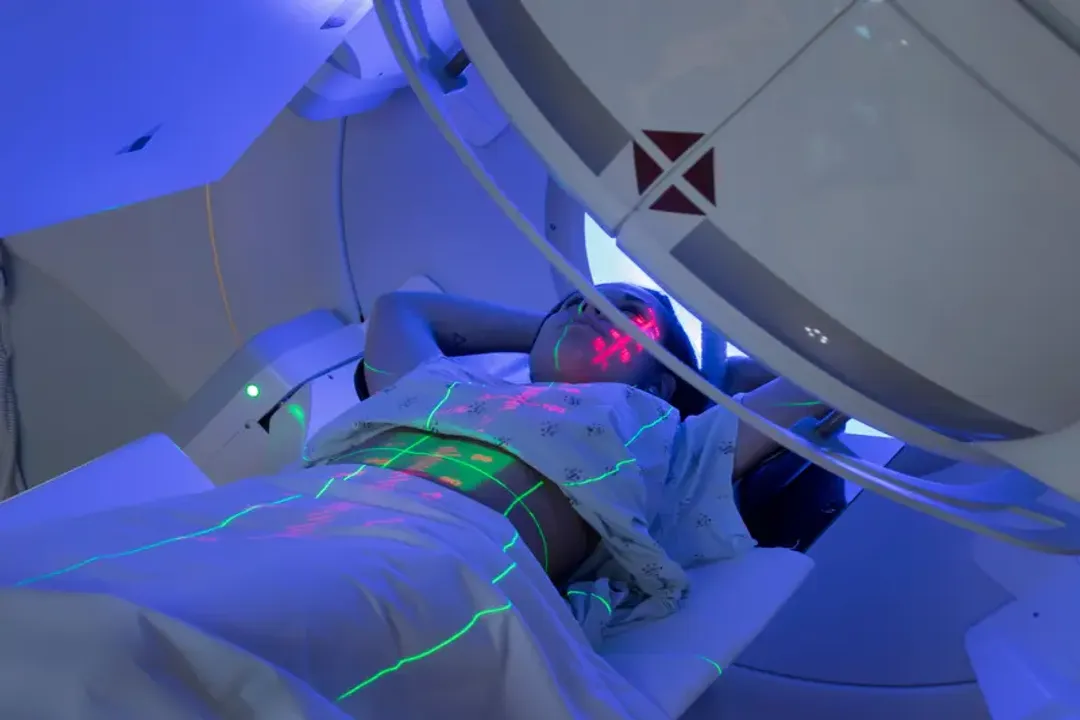
Radiation therapy is strictly localized, meaning the physical effects are limited to the path of the radiation beams. If the treatment is focused on distant body parts, such as the head, chest, or abdomen, the radiation energy does not physically reach the knee. In such scenarios, knee pain is typically a secondary symptom arising from other factors, such as systemic hormonal medication effects or a decrease in overall physical activity levels rather than the direct impact of the radiation beams themselves.
Related Questions
How does localized radiation therapy typically impact specific body areas?What is the primary medical goal of using low-dose radiation for osteoarthritis?How do hormonal therapies contribute to joint pain during cancer treatment?Why does reduced daily movement lead to synovial fluid issues in the knee?When is radiation therapy statistically unlikely to be the direct cause of knee pain?What specific symptoms in the knee indicate potential infection or deep tissue irritation?Which gentle movements can help maintain synovial fluid health during recovery?What makes maintaining a daily pain log useful for oncology or physical therapy teams?How does proper hydration assist in managing knee joint stiffness?What is the fundamental difference in clinical intent between high-dose and low-dose radiation?