What is the fundamental difference in clinical intent between high-dose and low-dose radiation?
Answer
High-dose radiation aims for cell destruction while low-dose aims for pain mitigation.
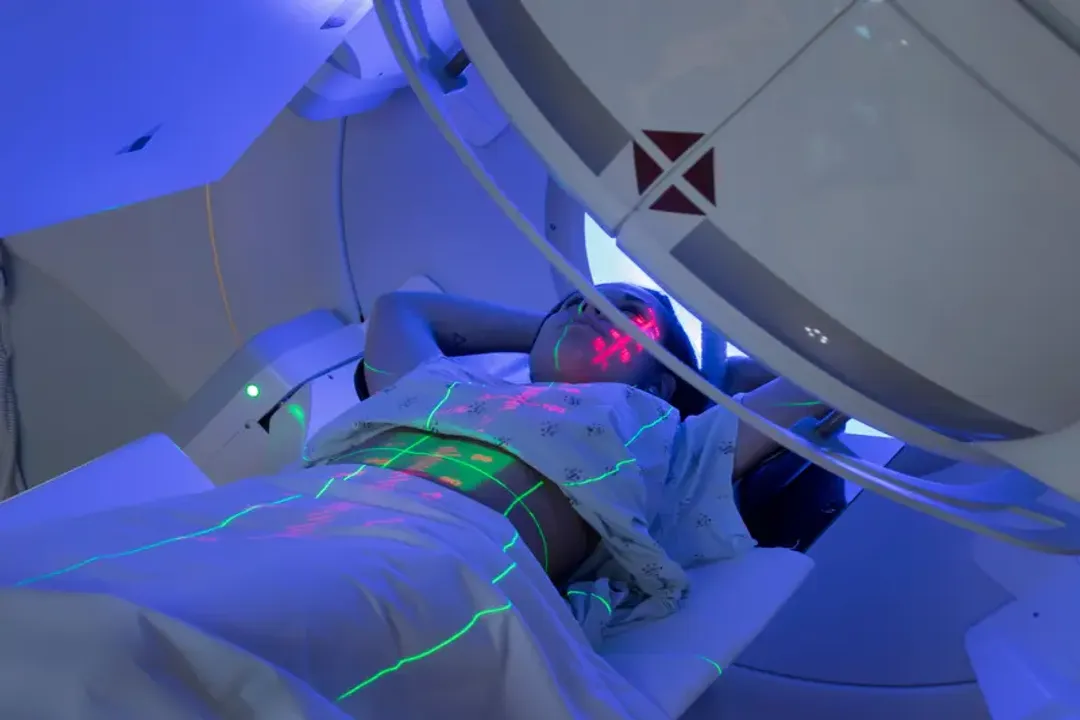
The clinical use of radiation is defined by the intention behind the therapy and the dosage administered. High-dose radiation is utilized primarily for cell destruction, a necessity when treating cancer; this level of energy often causes inflammation as a side effect. Conversely, low-dose radiation is applied with the specific intent of pain mitigation in conditions like osteoarthritis, where the energy levels are managed to reduce, rather than cause, inflammation. This distinction is crucial, as the radiation itself is not inherently detrimental to joints, but rather serves different purposes depending on the clinical strategy.
Related Questions
How does localized radiation therapy typically impact specific body areas?What is the primary medical goal of using low-dose radiation for osteoarthritis?How do hormonal therapies contribute to joint pain during cancer treatment?Why does reduced daily movement lead to synovial fluid issues in the knee?When is radiation therapy statistically unlikely to be the direct cause of knee pain?What specific symptoms in the knee indicate potential infection or deep tissue irritation?Which gentle movements can help maintain synovial fluid health during recovery?What makes maintaining a daily pain log useful for oncology or physical therapy teams?How does proper hydration assist in managing knee joint stiffness?What is the fundamental difference in clinical intent between high-dose and low-dose radiation?