Can radiation cause knee pain?
Understanding the impact of radiation on joint health often creates confusion because the therapy is used for two very different medical purposes: destroying cancer cells and, occasionally, managing chronic pain [2][7]. If you are experiencing knee pain during or after a course of treatment, identifying the cause depends on where your body received radiation and what other medications you might be taking concurrently [2][5].
# Radiation Sources
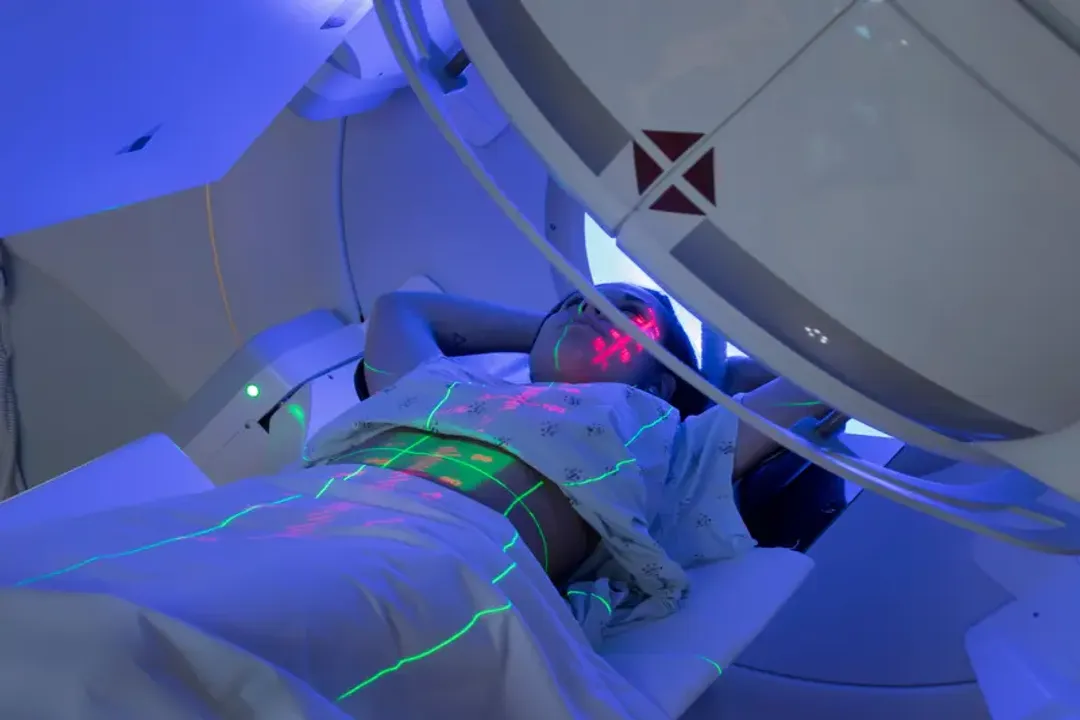
Radiation therapy is highly localized, meaning its effects are typically restricted to the specific area where the beams were aimed [5]. If you received radiation to your knee or the immediate surrounding tissue, such as the thigh or lower leg, there is a possibility that the treatment has caused inflammation in the joint capsule or surrounding soft tissues [1][8]. In these instances, the tissue can become tender, stiff, or inflamed as part of the body's healing response to the radiation itself [3][9].
However, if your radiation treatment was directed at a different part of the body—such as the chest, abdomen, or head—it is statistically unlikely that the radiation beams are directly causing your knee pain [5]. In these cases, the pain is often a secondary symptom related to other factors, such as hormonal therapies, systemic inflammation, or a decrease in physical activity during recovery [2]. Many cancer treatments involve multiple approaches, and medications that alter hormone levels can lead to joint aches and stiffness that feel distinct from the physical effects of localized therapy [2].
# The Osteoarthritis Paradox
One of the most counterintuitive aspects of this topic is that low-dose radiation is actually used as an effective medical treatment to relieve knee pain in patients with osteoarthritis [7]. This is distinct from high-dose therapy used for cancer treatment. When doctors use low-dose radiation to treat arthritis, they are targeting the inflammation in the joint to provide lasting relief [7].
The disparity between high-dose therapy (which can cause tissue inflammation) and low-dose therapy (which calms it) often leads to conflicting information when searching for answers. It helps to look at this comparison:
| Feature | Cancer Treatment Radiation | Osteoarthritis Radiation |
|---|---|---|
| Dose | High | Low |
| Primary Goal | Cell destruction | Pain mitigation |
| Typical Effect | Tissue inflammation (Side effect) | Reduced inflammation (Intent) |
| Frequency | Often continuous/daily | Often specific single sessions |
This distinction is important because it shows that radiation is not inherently "bad" or "good" for joints—the outcome depends entirely on the dose and the clinical intention behind the treatment [7]. If you are undergoing cancer therapy and feel knee pain, it is rarely the radiation itself, but rather the systemic toll that cancer treatments take on your musculoskeletal system [2].
# Identifying Causes
When pain develops in the knee during or after treatment, it is important to rule out factors that are not directly linked to the radiation beam [2][4]. Many patients find that the reduction in daily movement is a major contributor [4]. When you are undergoing treatment, you might spend more time sitting or resting to manage fatigue, which causes the synovial fluid in the knee to become less mobile, leading to stiffness and aches [4].
Another common culprit is hormonal therapy, which is often prescribed alongside radiation for cancers like breast or prostate cancer [2]. These drugs are known to cause joint pain and "bone aches" as a common side effect, which can be mistakenly attributed to the radiation therapy itself because the treatments often overlap in time [2].
# Managing Discomfort
If you are dealing with knee pain, you can take practical steps to improve your comfort while you heal. These steps focus on maintaining joint mobility and managing the inflammation associated with recovery [3][4].
- Gentle Movement: Unless your medical team has advised complete rest, small, consistent movements are better than total immobilization. Simple movements like seated leg extensions or ankle pumps can keep blood flowing and maintain synovial fluid health in the knee [4].
- Hydration: Dehydration can exacerbate stiffness in the joints. Drinking adequate water helps maintain the elasticity of soft tissues around the knee [3].
- Physiotherapy: A physical therapist can provide specialized exercises that are safe for your specific situation. They can distinguish between pain caused by radiation-induced fibrosis and pain caused by muscle atrophy [4].
- Monitoring: Keep a simple daily log of your pain levels. Note when it is worst (e.g., in the morning vs. after sitting) and whether it improves with movement. This data is invaluable to your oncologist or physical therapist when they assess whether the treatment plan needs adjustment [6].
# When To Consult
While minor aches are common during cancer treatment, persistent, sharp, or worsening pain requires medical evaluation [9]. You should contact your care team if you notice localized swelling, redness, or heat in the knee joint, as these can be signs of localized infection or deep tissue irritation that needs professional management [3].
Do not assume that all pain is just a "normal" side effect of treatment. In many cases, if the pain is caused by hormonal medications, the clinical team may suggest a different medication or a supportive therapy to manage the symptoms [2]. If the pain is related to reduced mobility, a supervised physical therapy program might be the most effective way to resolve it [4].
It is helpful to be your own advocate in this process. Because radiation affects different body tissues in specific ways, telling your doctor exactly where the pain is and how it feels—whether it is a dull ache, a sharp prick, or general stiffness—helps them differentiate between systemic treatment side effects and something that requires a specific orthopaedic intervention [2][6].




Related Questions
#Citations
Knee pain in patients with cancer after chemotherapy, radiotherapy ...
Cancer treatment side effect: Joint pain | UT MD Anderson
Managing Pain from Radiation Therapy Side Effects
The Side Effects of Radiation Therapy | Guide for Patients
Radiation Therapy Side Effects - American Cancer Society
Knee pain After completion of radiation treatments
Low-dose radiation therapy offers substantial relief to people with ...
Ionizing Radiation Causes Active Degradation and Reduces Matrix ...
Side effects of radiotherapy - NHS