What category of pollutants, which are too small to see without magnification, are commonly ingested by those who regularly drink bottled water?
Answer
Microplastics
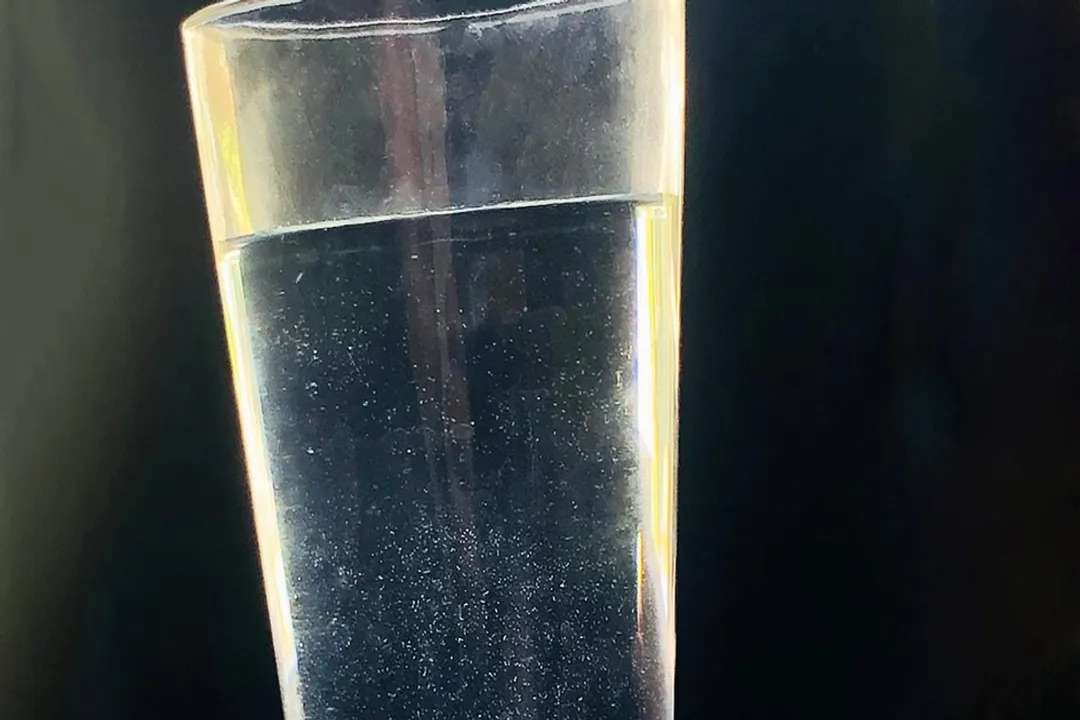
A significant concern regarding invisible ingestion relates to microplastics, which are microscopic synthetic materials too small for the naked eye to detect. Research indicates that individuals consuming bottled water can ingest substantial quantities of these particles annually. These pollutants originate both directly from the plastic bottles used for packaging and indirectly from the general degradation of larger plastic debris in the surrounding environment that eventually enters water sources.
Related Questions
What mineral composition causes white, flaky bits often seen settled at the bottom of a kettle or glass?What infrastructure issue is suggested by fine brown or reddish bits appearing in drinking water?What harmless phenomenon causes cloudiness that will quickly dissipate if a glass of water is left undisturbed?What significant risk is associated with visible dirt found in water drawn from an untreated natural source like a stream while hiking?What category of pollutants, which are too small to see without magnification, are commonly ingested by those who regularly drink bottled water?If diagnostic testing shows particles appear only when drawing hot water, what is the most probable location of the sediment buildup?What is the standard advice from water utilities when sediment appears briefly after a water main break notification or nearby hydrant use?What type of particle is characterized by low immediate health concern due to its composition as an inert mineral?What condition, besides particle persistence, warrants treating municipally supplied water as suspect and contacting the water provider?What type of activity intentionally disturbs sediment lying at the bottom of large water mains, causing transient contamination plumes?