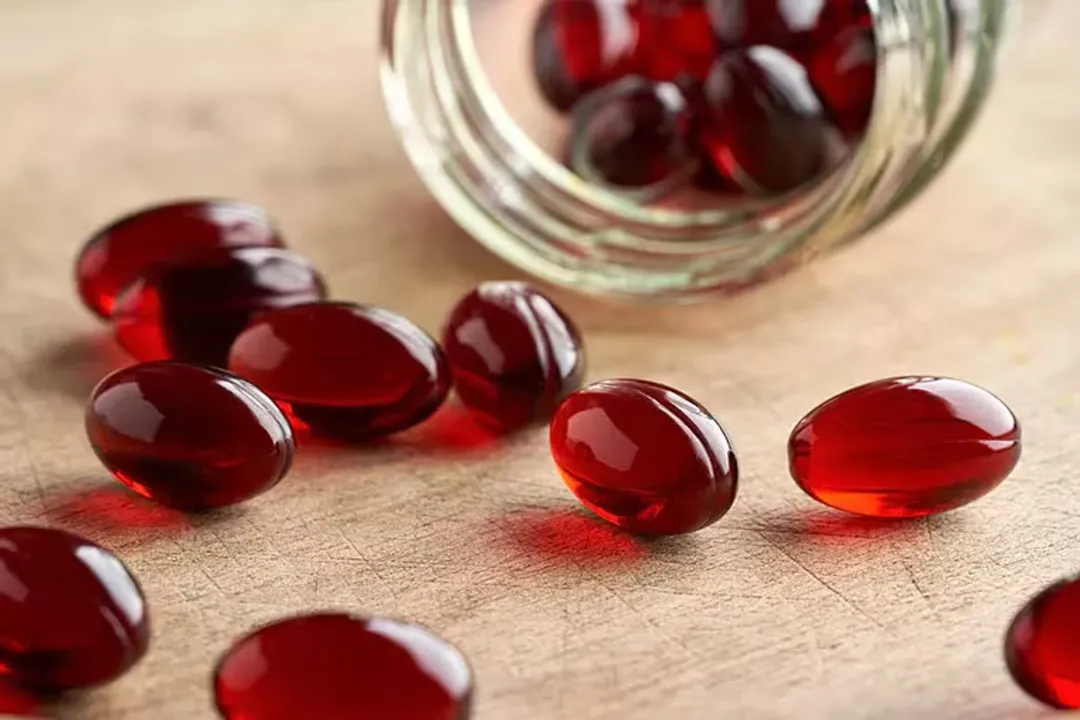
Despite the stability offered by the phospholipid binding, what common factors can still cause krill oil to degrade or go rancid?
Exposure to heat, light, and air during processing, storage, and transport
While krill oil is often marketed as being more chemically stable and less prone to oxidation (rancidity) than fish oil due to its phospholipid binding, this advantage is not absolute; the oil is not immune to degradation. Oxidation, which produces rancid oils that taste unpleasant and can introduce harmful free radicals, is a risk for any fat-based supplement. The key threat remains environmental exposure. If the product is subjected to sustained heat, constant exposure to light, or contact with air during manufacturing, storage timelines, or transport, the chemical integrity of the oil will eventually be compromised. Maintaining the perceived stability advantage requires diligent consumer attention to proper storage, often involving cool, dark conditions, especially after opening the container.