Who should not take elderberries?
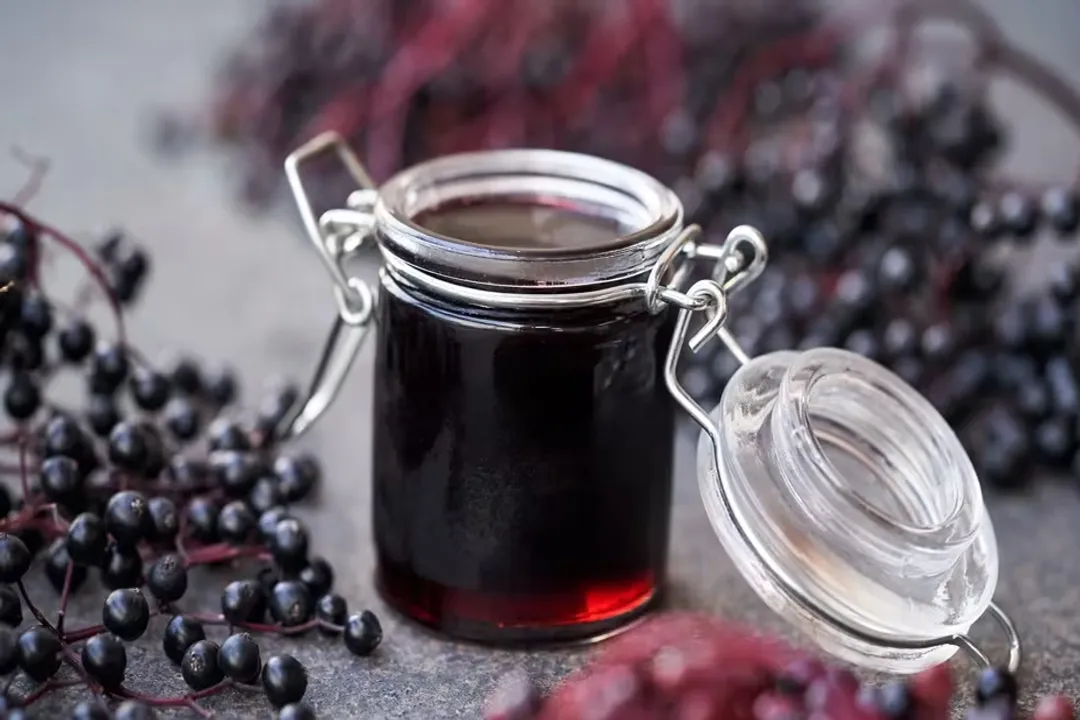
Elderberry has cemented its place in the home remedy cabinet, frequently sought out for its purported ability to support immune function, especially during cold and flu season. [2][9] However, this popular berry is not universally safe, and for certain individuals, incorporating it into a routine can present real health risks rather than benefits. [1][10] Understanding precisely who should avoid elderberry products is just as important as knowing how to prepare or purchase them safely. [4]
# Uncooked Parts Risk
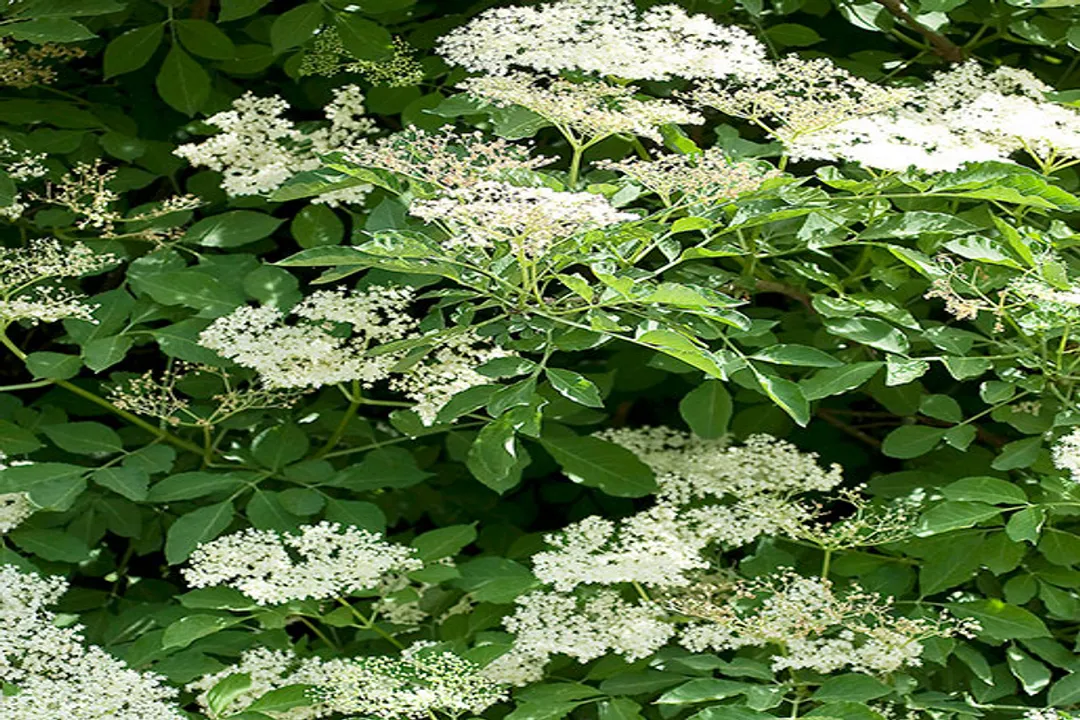
The most immediate and severe warning surrounding elderberry pertains to its raw components. It is critical to remember that not all parts of the Sambucus plant are edible or safe when improperly handled. [8] The raw or unripe berries, as well as the leaves, stems, bark, and roots, naturally contain compounds known as cyanogenic glycosides, most notably sambunigrin. [1][4][10] When these compounds are ingested, they can release cyanide in the digestive tract. [4][8]
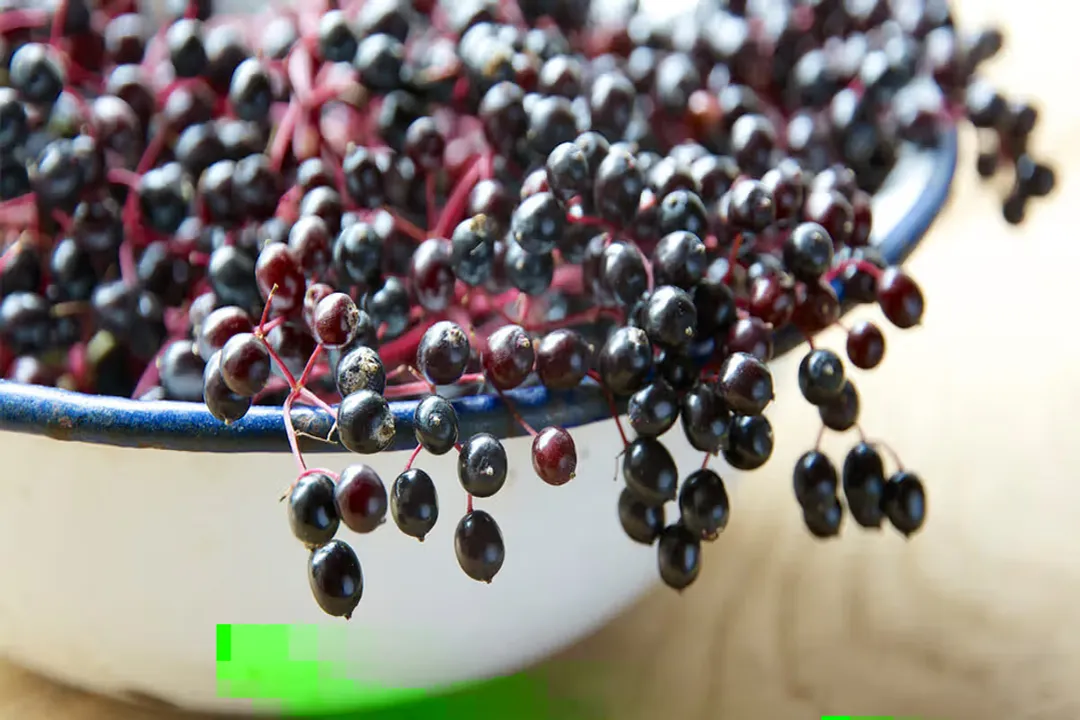
Ingesting these uncooked or improperly processed parts can lead to acute gastrointestinal distress. [10] Symptoms frequently reported from consuming these toxic components include persistent nausea, vomiting, and severe diarrhea. [4][10] While mature, fully ripe berries can be safely consumed after cooking—which effectively neutralizes the toxic compounds—the raw seeds present in the fruit still carry this risk, meaning even cooked berries require careful preparation. [4][8] If you are using dried elderberry, ensure it is clearly labeled as processed fruit intended for consumption, and never attempt to forage or prepare wild elderberry without expert guidance on heating and processing protocols. [4][10]
# Immune Conditions
Elderberry’s primary appeal lies in its immune-modulating properties; it is thought to encourage the body’s immune response. [2][5] For most healthy people, this is beneficial when fighting off a temporary illness. However, for individuals managing specific autoimmune disorders, stimulating the immune system can be counterproductive and potentially harmful. [1][4]
Conditions such as multiple sclerosis (MS), lupus (systemic lupus erythematosus or SLE), and rheumatoid arthritis (RA) involve the immune system mistakenly attacking the body's own tissues. [5] Because elderberry may increase immune activity, taking it could theoretically worsen the symptoms or progression of these diseases. [1][4][10] If you have been diagnosed with any autoimmune condition, the safest course of action is to refrain from using elderberry supplements entirely unless specifically advised by your specialist. [5]
It is worth noting that while the general recommendation is avoidance, some herbal traditions view stimulating the immune system differently than conventional medicine. Nevertheless, in the absence of extensive clinical trials specifically on autoimmune patients using elderberry, the principle of primum non nocere—first, do no harm—strongly suggests abstaining. [10]

# Drug Conflicts
Beyond autoimmune issues, elderberry can clash directly with prescription medications that modulate the body’s immune function or blood sugar levels. [6] This interaction risk requires careful management by anyone on long-term pharmaceutical therapy. [1]
# Immunosuppressants
For patients who have undergone organ transplants or are receiving treatment for severe autoimmune diseases, medications known as immunosuppressants are vital for preventing the body from rejecting the new organ or overreacting to its own tissues. [5][6] Since elderberry may enhance immune system activity, it runs the risk of counteracting the intended effects of these powerful drugs. [1][5] Taking both concurrently could lead to treatment failure or rejection episodes, making this a high-risk interaction scenario. [6]
# Blood Sugar Alteration
Some preliminary evidence suggests that elderberry preparations may influence blood glucose levels. [1] If you are managing diabetes with medication, introducing elderberry could potentially cause blood sugar levels to drop lower than intended. [6] This interaction mandates close monitoring. Before adding an elderberry supplement, discuss it with your endocrinologist or primary care physician, especially if you use insulin or oral hypoglycemic agents, to establish safe boundaries or avoid use altogether. [1]
# Diuretic Effect
Elderberry has been observed to possess mild diuretic properties, meaning it can increase urine production. [1] If you are already taking prescription diuretics (water pills) to manage conditions like high blood pressure or fluid retention, combining them with elderberry could potentially increase fluid loss beyond a comfortable or safe level. [6] While this effect is usually mild, professional guidance is necessary when combining substances that share a physiological action.
# Vulnerable Groups
Certain physiological states naturally place individuals in a higher-risk category when introducing new supplements, including elderberry. [1][10]
# Pregnancy and Breastfeeding
The most consistent advice across expert sources regarding pregnancy and lactation is a strong recommendation against use. [1][4][10] There is simply insufficient high-quality scientific data available to confirm the safety of elderberry for the developing fetus or for infants consuming it through breast milk. [4][10] Given the lack of proven safety, pregnant or nursing individuals should err on the side of caution and avoid elderberry supplements completely. [1]
# Pediatric Use Caution
While elderberry syrup is frequently marketed for children’s immune support, safety data is less established than for adults. [3][10] Many reputable pediatric sources advise caution, particularly regarding unproven claims or high doses for very young children. [3] If considering elderberry for a child, especially one under the age of twelve, consultation with their pediatrician is absolutely mandatory. They can assess the child's specific health status and determine if the potential benefit outweighs the risks associated with products lacking robust, age-specific safety studies. [3][10]
One helpful distinction for parents concerns product consistency. When shopping for children's immune support, paying close attention to the concentration of cooked extract versus the presence of raw, non-standardized ingredients is vital. A standardized, cooked syrup from a reputable brand that specifies the amount of Sambucus nigra fruit extract is generally considered lower risk than homemade preparations where accurate cooking and component separation are difficult to confirm every time. [3]
# Digestive Concerns
Even when consuming properly cooked elderberry fruit, some individuals may experience adverse digestive reactions that necessitate discontinuing use. [4] If you start taking an elderberry product and subsequently experience stomach upset, persistent nausea, vomiting, or diarrhea, these are clear signs that your body is not tolerating the supplement well. [10]
In these instances, the immediate action should be to stop taking the product and monitor symptoms. These reactions may be due to mild residual toxicity (if the product was under-processed) or simply a personal sensitivity to the fruit itself, even when prepared correctly. [4]
When evaluating supplements, look closely at the "Other Ingredients" section on the label. Sometimes, the digestive upset is not caused by the elderberry itself but by inactive ingredients, fillers, or additives used in the final preparation, such as excessive sugar alcohols or artificial binders. If you suspect the elderberry is the issue, pausing use provides essential feedback on your tolerance. If you wish to try again, switching to a different formulation—perhaps a pure freeze-dried powder capsule instead of a syrupy liquid—might reveal if the reaction was ingredient-specific. [1]
# Determining Personal Risk
Because the safety profile of elderberry hinges so heavily on processing, existing medical conditions, and current medications, deciding whether to take it requires a personalized assessment, not just a general recommendation. [9] Before beginning any elderberry regimen, establish a clear protocol for risk evaluation.
Consider creating a three-column chart for yourself or a loved one:
| Category | Status (Yes/No) | Action Required |
|---|---|---|
| Autoimmune Diagnosis | [ ] | Consult Specialist Before Use |
| Taking Immunosuppressants | [ ] | Avoid Use |
| Pregnancy/Lactation | [ ] | Avoid Use |
| Using Diuretics/Diabetes Meds | [ ] | Consult Prescribing Physician |
| History of Severe GI Issues | [ ] | Start with Smallest Dose |
This simple exercise forces a thorough review of personal health factors before assuming the supplement is appropriate. If you check "Yes" in any of the top three risk categories, professional medical clearance is non-negotiable. [1][5][10] Elderberry’s reputation as a general immune booster should not overshadow the specific chemical properties that make it unsuitable for those with compromised or overactive immune systems or those taking interacting pharmaceuticals. [6]
Related Questions
#Citations
Elderberry - Uses, Side Effects, And More - WebMD
What Elderberries Can (and Can't) Do for Your Health
What you should know about elderberry remedies - Children's Mercy
The Pros and Cons of Elderberry - Healthline
Elderberry - Memorial Sloan Kettering Cancer Center
Elderberry Interactions Checker - Drugs.com
Elderberry as a dietary supplement for immune health
Elderberry - University of Rochester Medical Center
Elderberry: Usefulness and Safety | NCCIH
Elderberry for Kids: Is it Safe? - Children's Health