What foods should you avoid while taking amlodipine?
Amlodipine is a widely prescribed medication, effective for managing high blood pressure and certain types of chest pain (angina) by relaxing and widening your blood vessels, which makes it easier for your heart to pump blood. As with any medication, understanding how your diet and lifestyle choices can affect its performance is key to successful treatment. While amlodipine offers flexibility—it can generally be taken with or without food at any time of day—there are specific dietary components and beverages that warrant caution or outright avoidance to ensure the drug works as intended and to prevent unwanted side effects.
# Alcohol Consumption
One of the most frequently discussed lifestyle factors regarding blood pressure medication is alcohol. With amlodipine, you can technically drink alcohol, but it comes with a significant caveat: alcohol can amplify amlodipine’s blood-pressure-lowering effect.
When taken together, alcohol and amlodipine may have additive effects that drop your blood pressure lower than intended. This sudden or excessive drop can manifest as bothersome side effects such as headache, lightheadedness, dizziness, or even fainting. These effects are most pronounced when you first start the medication, if your dosage is increased, or if you restart treatment after a break. If you notice you become excessively sleepy or dizzy after consuming alcohol while on amlodipine, the recommendation is to stop drinking alcohol during your treatment period. Furthermore, feeling dizzy or lightheaded can affect your ability to drive or operate machinery safely, which is an offense if your ability to drive is compromised.
# Grapefruit Enzyme Blockade
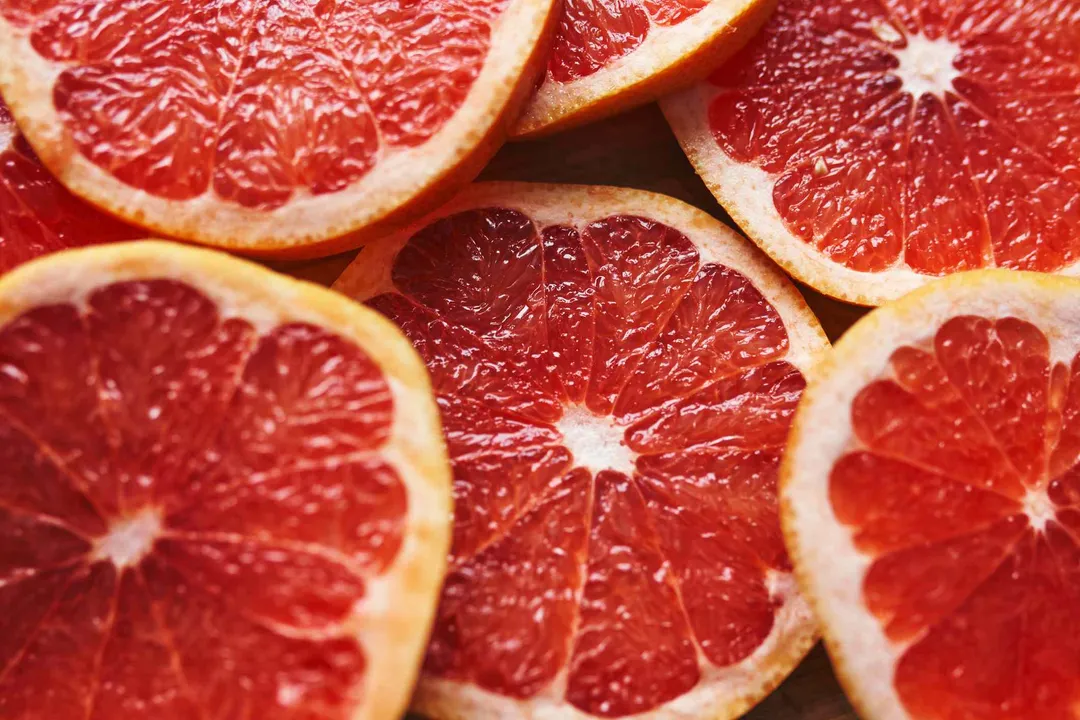
When discussing food interactions with many cardiovascular drugs, grapefruit and its juice often come up, and amlodipine is no exception. The concern here revolves around how your liver processes the medication. Amlodipine is metabolized, or broken down, by an enzyme in your liver called CYP3A4.
Grapefruit juice contains compounds that inhibit, or block, this very same CYP3A4 enzyme. When this enzyme is inhibited, the body cannot break down amlodipine as quickly as it should. This leads to an increase in the concentration of amlodipine remaining in your bloodstream. While a minor increase might seem harmless, a higher than intended drug level can magnify the usual side effects, such as low blood pressure or dizziness. Although one small study noted that consuming grapefruit juice once daily did not negatively affect amlodipine users in that specific trial, the established interaction means caution is advised. For many prescribers, the simplest advice remains to avoid eating large amounts of grapefruit or drinking grapefruit juice while on this medication, especially if you notice any increased side effects like flushing or headaches after consumption.

# Sodium Balance Control
Managing sodium intake is a foundational element of treating hypertension, regardless of the specific drug prescribed, and it remains a key dietary consideration while taking amlodipine. The goal of amlodipine is to lower your blood pressure, but consuming a diet high in salt works directly against that goal.
Excessive sodium consumption causes your body to retain more fluid, which increases the overall volume of blood circulating through your vessels, thereby raising blood pressure. For someone on amlodipine, this means the medication has to work harder, potentially making it less effective at achieving optimal blood pressure control. The American Heart Association suggests limiting sodium intake to around 1,500 milligrams per day. Most concerning sources of sodium aren't the salt shaker alone, but packaged goods like frozen meals, condiments, and salty snacks.
When considering your daily sodium consumption, try to spread your intake out rather than consuming a large, salty load all at once. While a lower overall daily total is the primary objective for everyone on blood pressure management, spreading out your salt intake might marginally reduce the sudden burden on your system caused by fluid shifts after a very high-sodium meal. A practical approach is to flavor meals using herbs, garlic, onions, and spices instead of reaching for extra salt.
# Interference from Supplements
While many people take supplements alongside prescription drugs, a moderate interaction has been noted between amlodipine and multivitamin supplements containing minerals. In this scenario, the presence of the minerals can actually decrease the intended effects of amlodipine. This means your blood pressure might not lower as effectively as it should because the supplement interferes with the drug's mechanism or absorption.
If you take a multivitamin or mineral supplement, it is important to discuss this with your doctor. They may advise you to adjust your dosage of amlodipine or switch to a different multivitamin formulation.
To address this moderate interaction, consider timing as a management strategy. If your doctor agrees you should continue the multivitamin, try to ensure a significant time gap between taking your amlodipine and your supplement. For instance, if you take amlodipine in the morning, consuming your multivitamin in the evening could help minimize any potential for direct interference with drug absorption or action.
# The Subtle Effect of Caffeine
Caffeine, often consumed daily in coffee, tea, or soda, is a stimulant, and stimulants can potentially work against medications designed to slow things down or open vessels. While the effect is generally not considered highly significant compared to other interactions, caffeine can somewhat offset the blood pressure-lowering benefit of amlodipine. For patients whose blood pressure is finely controlled or who are sensitive to small fluctuations, even this slight counteraction might be worth noting. While powerful stimulants like amphetamines pose a much greater risk, if you notice your blood pressure creeping up, it could be worthwhile to track your caffeine intake alongside your medication schedule and discuss it with your healthcare provider.
# Interactions With Other Common Medications
Although the focus here is on food, many items that interact with amlodipine are consumed as part of a treatment regimen for other common co-existing conditions, particularly those related to heart health or fungal infections. These interactions often involve the same CYP3A4 liver enzyme discussed with grapefruit:
- Certain Statins: Amlodipine can increase the blood levels of statins like simvastatin and lovastatin, raising the risk of muscle pain or other adverse effects associated with those cholesterol drugs.
- Erectile Dysfunction Medications (PDE-5 Inhibitors): Combining amlodipine with drugs like sildenafil can cause a pronounced drop in blood pressure (hypotension), leading to dizziness or fainting.
- Azole Antifungals: Drugs such as ketoconazole or itraconazole are potent CYP3A4 inhibitors, which can lead to elevated amlodipine levels and hypotension. Antivirals like ritonavir (part of Paxlovid) can have a similar effect.
- Immunosuppressants: Amlodipine can increase the levels of drugs like tacrolimus and cyclosporine, which are critical for transplant patients and require tight dose control.
For patients managing hypertension alongside these other conditions, checking every new prescription or over-the-counter product against your current amlodipine regimen is essential due to this metabolic pathway vulnerability.

# Contextual Dietary Cautions
For individuals with hypertension, their entire diet is usually under scrutiny. While the following foods are not flagged as direct, high-risk interactions specific to amlodipine itself, they are known to interfere with other common blood pressure medications like ACE inhibitors or diuretics, and should be considered if you are on a complex regimen:
- Licorice: Real licorice can cause the body to retain sodium and water while excreting potassium. This effect reduces the effectiveness of diuretics and ACE inhibitors and can potentially raise blood pressure or cause heart rhythm problems. If you enjoy licorice flavor, look for anise-flavored candies that do not contain the actual root.
- High-Tyramine Foods: Foods such as aged cheese, sauerkraut, and smoked meats are of major concern only if you are also taking a class of antidepressants called MAOIs, as tyramine can cause dangerous blood pressure spikes. If you are only on amlodipine, these foods are generally fine, though choosing fresh cheeses like mozzarella or ricotta over aged ones is a good heart-healthy habit regardless.
- High-Potassium Foods: If your doctor has prescribed a potassium-sparing diuretic or an ACE inhibitor (like lisinopril or enalapril) alongside amlodipine, eating excessive potassium might lead to hyperkalemia (too much potassium in the blood).
# Monitoring for Side Effects
Amlodipine is designed to be a long-term medication, as stopping it can cause your blood pressure to rise again, increasing future risks of stroke or heart attack. Your doctor will monitor your progress and may adjust your dose based on how you feel and regular blood pressure checks.
If you experience side effects like facial flushing, heart palpitations, or swelling in the ankles or feet, these usually do not require immediate medical attention but should be reported if they persist. However, signs of dangerously low blood pressure—dizziness, feeling faint, or blurred vision—warrant immediate attention. If you are feeling dizzy or lightheaded due to the medication's effect, it is best to sit or stand up slowly to avoid falls.
When managing your health, keep a detailed, up-to-date inventory of all substances you consume—prescriptions, over-the-counter treatments, and supplements—and share this list with every member of your healthcare team. This diligence ensures that potential issues, even minor ones like those involving certain minerals or caffeine, can be addressed proactively, keeping your blood pressure goals on track.
Related Questions
#Citations
How and when to take amlodipine - NHS
Amlodipine Interaction with Food, Herbs & Alcohol - Drugs - Medindia
Amlodipine interactions to avoid - SingleCare
5 Foods to Avoid When Taking Blood Pressure Medication - Health
Amlodipine and Alcohol/Food Interactions - Drugs.com
Amlodipine: Uses & Side Effects - Cleveland Clinic