Is breadfruit healthier than potatoes?
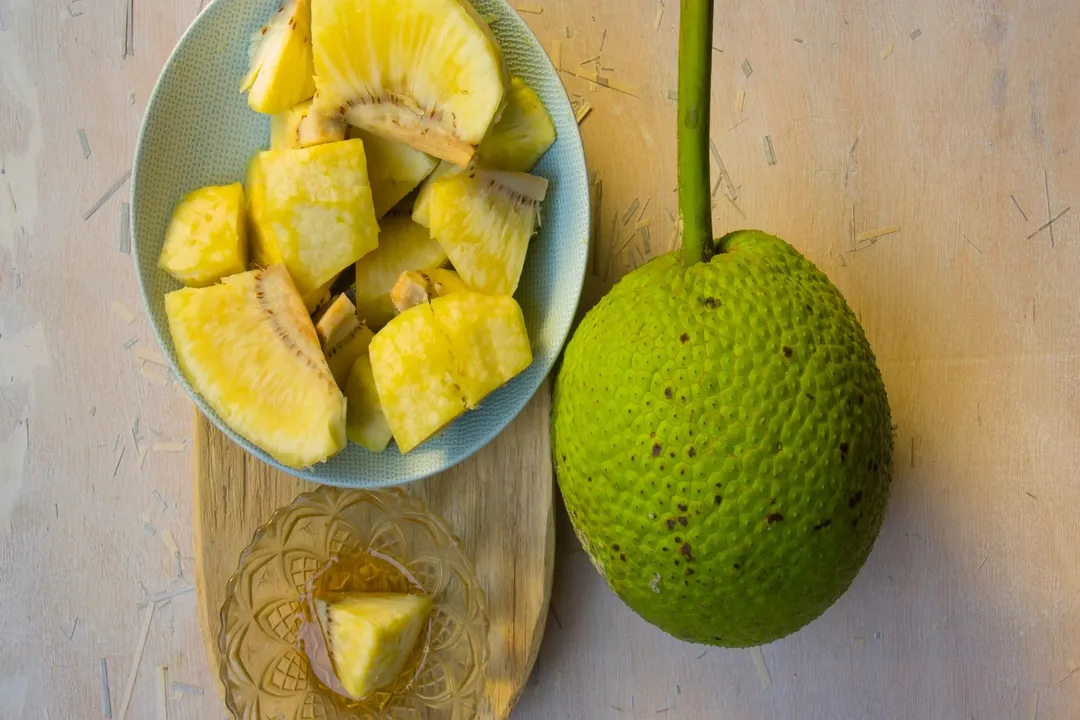
The simple, comforting starch that anchors many meals—the potato—often stands as the benchmark for root vegetables. Yet, across the Pacific and in tropical regions globally, another substantial carbohydrate source, breadfruit, offers a compelling alternative worth examining for anyone interested in nutritional variety. While both provide energy-dense foundations for countless dishes, their makeup varies significantly, leading to interesting considerations regarding which might better suit different dietary goals. [1][8]
# Tropical Staple
Breadfruit comes from the Artocarpus altilis tree, a member of the mulberry family. [1] It is historically significant, often referred to as a "world saver" due to its high caloric yield and adaptability in tropical environments. [5] The fruit itself is large and starchy, often being confused with jackfruit in its unripe state due to texture, though the flavor profile shifts dramatically as it matures. [1] When harvested mature but green, it functions much like a potato—starchy and savory—but as it ripens, the flavor sweetens, and the texture softens, moving toward a more dessert-like quality. [1] This dual nature, depending on maturity, is a key factor when comparing its nutritional impact to that of the conventional potato.
# Macronutrient Basics
When directly comparing raw breadfruit to a standard baked white potato eaten with the skin on, the caloric and carbohydrate counts show distinct figures, though both are clearly high-energy foods. [3] For example, baked white potatoes (flesh and skin) often contain slightly higher calories per 100 grams than raw breadfruit, though the difference isn't always vast, depending on preparation. [3] Both ingredients serve as significant sources of carbohydrates, which fuel the body and brain. [2][6]
One area where dietary goals might influence preference is in protein content. Breadfruit is often noted for containing a decent amount of protein for a fruit/starchy vegetable, with some data indicating it provides more protein than a potato. [8] Furthermore, breadfruit can be processed into a gluten-free flour, offering bakers and those avoiding gluten a useful alternative to wheat-based starches. [8]

# Fiber Content
A crucial element in assessing the health profile of any staple carbohydrate is its fiber content, which impacts digestion and satiety. Breadfruit generally scores quite well in this regard. [6] Raw breadfruit typically contains a notable amount of dietary fiber, which is essential for maintaining digestive regularity. [2] Fiber helps slow the absorption of sugars, which can influence how quickly energy is released into the bloodstream. [6] While potatoes, especially when eaten with the skin, also contribute fiber, the exact fiber concentration can vary depending on the variety and whether the skin is consumed. [3] Considering that breadfruit is a dense source of starch, its fiber contribution helps balance that starchy load, making it a more complete base ingredient for a meal. [6]
An interesting observation when considering these starchy staples relates to how their carbohydrate structure shifts. A green, immature breadfruit contains starch that is far less processed by the body than the starch in a ripe one; this is functionally similar to how eating a less-cooked potato affects blood sugar compared to over-processed potato flakes. For those monitoring immediate sugar spikes, choosing the less mature form of breadfruit—which is cooked like a vegetable—provides a more stable energy release compared to letting the fruit fully ripen. [1] This concept of structural carbohydrate composition versus simple sugar content is something many people overlook when choosing between staple starches.
# Mineral Profile
Where breadfruit truly seems to pull ahead in a head-to-head comparison is in its micronutrient density, particularly concerning certain essential minerals and vitamins. [6] Breadfruit is recognized as being rich in potassium. [2][6] Potassium is vital for maintaining healthy blood pressure, regulating fluid balance, and ensuring proper nerve and muscle function. [6] While potatoes are also known for their potassium, breadfruit often presents as a strong contender or superior source per serving. [2][6]
Beyond potassium, breadfruit offers a respectable dose of Vitamin C. [2][8] Vitamin C is a necessary antioxidant that supports the immune system and aids in collagen production. [6] Furthermore, the B-vitamin complex is present, with good amounts of Thiamine (B1) and Vitamin B6 noted in its nutritional profile. [2] When looking at the standard potato, while it also offers Vitamin C, the overall profile of the B vitamins and the specific mineral balance often leans toward the tropical fruit, depending on the specific potato variety being assessed. [2] Breadfruit also contains various antioxidants that contribute to its perceived health benefits. [6]

# Cooking Methods
The health quotient of any staple food is heavily influenced by how it is prepared. Just like potatoes, breadfruit can be fried, boiled, baked, or roasted. [1] If one were to deep-fry both a potato and a breadfruit chunk, the resulting nutritional profile would be dominated by the absorbed fat, effectively negating many of the inherent benefits of either raw ingredient. [1]
The best way to maximize the inherent nutritional strengths of breadfruit is to treat it as one would an unripe vegetable: boil it, steam it, or roast it in wedges seasoned with herbs. [1] This preparation honors its high fiber and natural vitamin content. [2][6] For instance, using breadfruit flour in baking, as mentioned earlier, is a useful tactic. [8] When substituting this gluten-free flour, remember that baked goods will lack the elastic structure provided by gluten, meaning recipes might require added gums or specific binding agents to achieve the right texture—a practical consideration for home cooks adapting traditional recipes. [8]
# Comparative Advantage
Deciding whether breadfruit is definitively "healthier" than potatoes is difficult because it depends entirely on which potato you mean (white, red, sweet potato) and what nutritional marker you prioritize. [3][4] If the goal is maximizing potassium, Vitamin C, or getting a slightly different balance of B vitamins from a staple starch, breadfruit often shows an advantage. [2][6][8] If the goal is maximizing specific vitamins like Vitamin A (common in sweet potatoes) or convenience/availability, the potato might win. [4]
What is clear is that breadfruit offers a nutrient-dense, whole-food alternative to the standard temperate tuber. Its combination of high fiber, good protein for a fruit, and essential minerals like potassium makes it a highly valuable food source, especially for those looking to diversify their carbohydrate intake beyond the common potato or sweet potato varieties. [6][4] Integrating diverse, whole staples like breadfruit into one's diet supports a broader spectrum of nutrient intake, moving away from reliance on just one or two primary energy sources. [5]
#Videos
Chef John Cadman Breadfruit vs Potato - YouTube
Related Questions
#Citations
Breadfruit Is The Versatile Ingredient With Similar Uses As Potatoes
[PDF] Breadfruit Nutritional value and versatility - State Data Office
Breadfruit VS Baked White Potatoes Nutrients Per 100 Kcal
Breadfruit vs Sweet Potato: What is the difference? - Versus
Breadfruit Is Here to Save the World : r/EverythingScience - Reddit
Breadfruit Nutrition Facts and Health Benefits - Verywell Fit
Breadfruit is rich in carbs, making it a staple food in tropical regions ...
Breadfruit Nutrition Facts: Pros & Cons
Chef John Cadman Breadfruit vs Potato - YouTube