What happens if we eat onions daily?
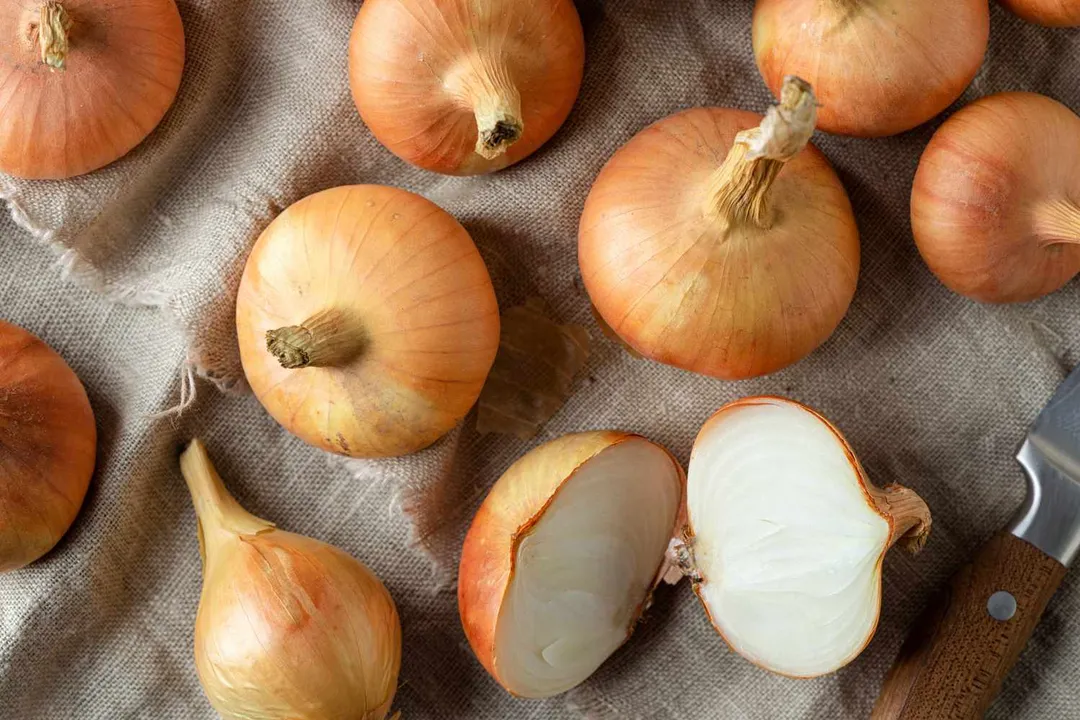
The decision to incorporate onions into your daily diet involves peeling back layers of nutritional information that point toward significant health advantages, though not without a few necessary considerations for comfort and safety. This pungent vegetable, a member of the Allium genus alongside garlic and leeks, offers a flavorful way to boost your intake of vitamins, minerals, and unique plant compounds. [1][2] For many people, eating onions daily, whether raw or cooked, becomes a habit that supports several bodily systems thanks to their dense nutrient profile. [3]
# Nutritional Makeup

Onions are generally low in calories while being rich in several essential micronutrients. A typical medium onion, weighing around 110 grams, supplies approximately 44 calories, about 10.3 grams of carbohydrates, and nearly 2 grams of dietary fiber. [2] Beyond the base structure, they are notable sources of Vitamin C, which supports immune function and aids in iron absorption, as well as B vitamins like folate and Vitamin B6. [1][2] Minerals such as potassium, which is key for muscle contraction and fluid balance, along with manganese and copper, round out the mineral content. [1][2]
However, the true power of the onion lies in its bioactive compounds, primarily the flavonoids and the sulfur-containing elements. [1][2] Quercetin is the most celebrated flavonoid found in onions, especially abundant in the red variety, and it carries potent antioxidant and anti-inflammatory properties. [1][2][3] The sharp taste and smell of onions come directly from organic sulfur compounds, which also contribute significantly to potential health benefits. [1]
# Gut Health Boost
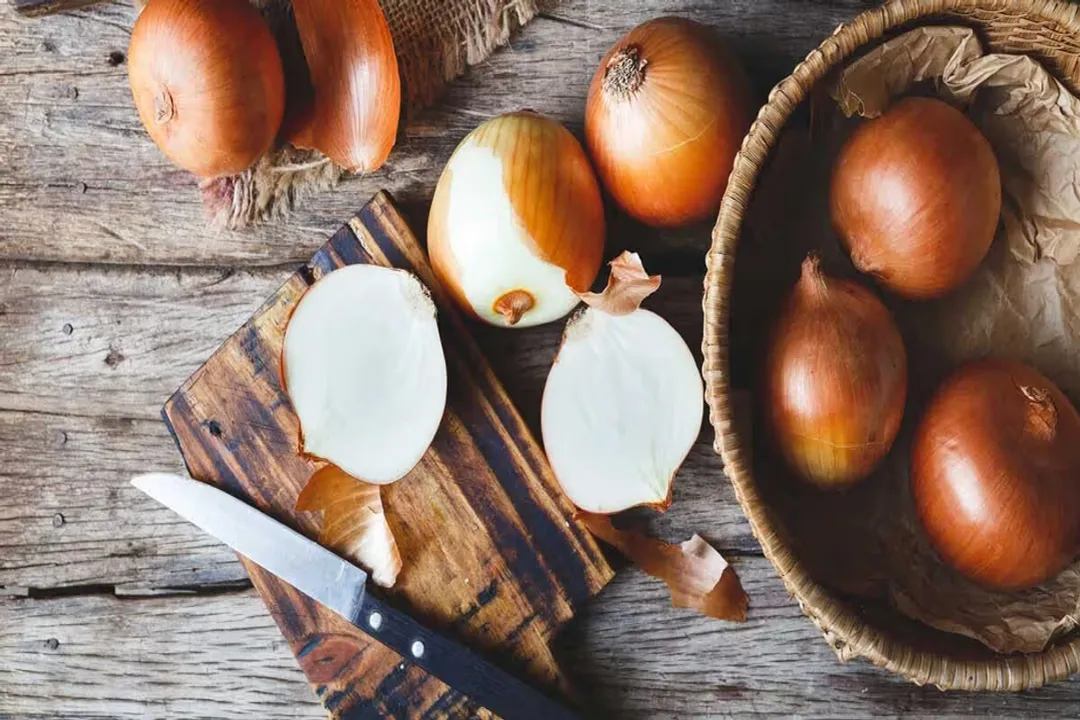
One of the most consistently highlighted daily benefits of regular onion consumption relates directly to the digestive system. Onions are excellent sources of prebiotics, specifically inulin and fructooligosaccharides. [2][3] These are nondigestible fibers that act as preferred fuel for the beneficial bacteria residing in your large intestine. [1][2]
When these friendly gut microbes consume prebiotics, they produce crucial byproducts like short-chain fatty acids (SCFAs). [2] These SCFAs are fundamental for strengthening the gut lining, enhancing overall digestion, and even playing a role in boosting the immune system and reducing systemic inflammation. [2] For those who are already focused on cultivating a healthy gut biota, integrating onions daily, perhaps as a fiber source in salads or slow-cooked meals, is a straightforward way to nurture these beneficial populations. [4]

# Systemic Protections
Daily inclusion of onions has been associated with several protective effects across major body systems, driven largely by their high antioxidant load. [1]
# Heart Health
The organic sulfur compounds present in onions are linked to cardiovascular advantages. They may help reduce the body's level of cholesterol and possess properties that can help break down blood clots, thereby potentially lowering the risk of both heart disease and stroke. [1] Furthermore, the flavonoid quercetin is known to have anti-inflammatory effects and is believed to help regulate blood pressure. [2][3] In studies focusing on diet and heart health, consuming more foods rich in anthocyanins—a type of flavonoid present in onions—has been associated with a reduced risk of heart disease itself. [2]
# Cancer Defense
Research suggests a correlation between higher onion consumption and a reduced likelihood of certain cancers. [1] Specifically, observational data indicates that those eating the most onions were less likely to develop cancers of the colon, throat, and ovaries. [1] For men, a higher intake of Allium family vegetables has been linked to a lower risk of prostate cancer. [1] Quercetin and another compound, fisetin, are noted for their potential to inhibit tumor growth, though these findings often stem from laboratory settings, indicating that while promising, further human-based research is still necessary to confirm direct preventative power. [2][3]
# Tissue Support
Beyond internal organ protection, the compounds in onions may offer targeted support for specific tissues.
# Bone Density
One study involving women nearing or past menopause found that those who consumed onions daily demonstrated greater bone density, suggesting a protective role against osteoporosis, a condition that weakens bones. [1] This benefit is possibly mediated by a peptide found within the onion structure that is theorized to decrease the rate of bone breakdown and lower fracture risk. [4]
# Eye Health
Onions contain sulfur, which plays a necessary part in the production of glutathione. [3] Glutathione is one of the body's most potent antioxidants, and this particular antioxidant is essential for maintaining healthy eyes, potentially helping to prevent conditions like age-related macular degeneration, glaucoma, and cataracts. [3]

# Preparation Matters
Whether you eat your onions raw or cooked significantly influences which benefits you maximize from your daily serving. Raw onions offer a potent, pungent flavor and are typically favored when people seek the full spectrum of benefits, as cooking can cause a reduction in some nutrient concentrations. [3] For instance, the compounds that give onions their potent antimicrobial, antifungal, and antibiotic properties—the thiosulfinates—are reduced when onions are heated. [4]
However, cooking isn't necessarily detrimental; it simply shifts the nutritional profile. Boiling and frying onions appear to result in the most substantial loss of overall nutritional value compared to other methods. [4] Interestingly, baking onions has been shown to increase their flavonoid content. [4] This creates an interesting trade-off for the daily consumer: if your primary goal is maximum antimicrobial impact, eating them raw is best, perhaps sliced thinly in a daily salsa or guacamole. [1][3] If you are aiming for a high intake of heart-protective flavonoids, incorporating them baked alongside dinner may be the better route. A balanced approach might involve rotating preparation methods—perhaps enjoying raw red onions on a sandwich one day and roasted yellow onions in a soup the next—to ensure you capture the diverse benefits each compound offers. [3]
# Digestive Reactions and Odor
While onions feed your good gut bacteria, this process can sometimes lead to gastrointestinal discomfort for some individuals. [1] The fructans that serve as prebiotics are complex carbohydrates that can be difficult for certain sensitive systems to process. [3] If you consume onions daily and notice increased bloating, gas, or stomach cramps, you might be reacting to the FODMAP content, especially if you have Irritable Bowel Syndrome (IBS). [1][3] In such cases, shifting to cooked onions might improve tolerance, as heating can sometimes break down some of those hard-to-digest fibers. [3]
The most commonly discussed side effect of daily onion consumption is the unavoidable impact on personal scent. Due to the high concentration of sulfur compounds, the body breaks these down, and the resulting molecules can react with sweat, leading to noticeable body odor. [1] Unsurprisingly, they are also a primary contributor to persistent bad breath, or halitosis, which can linger for hours. [1][3]
If you are keen on daily raw onion intake, for example, by eating half a raw onion with lunch, a practical tip to manage the sharpness and potential lingering odor is to soak the slices in cold water for about ten to fifteen minutes before eating; this mellows the intensity considerably. [3]

# Safety and Handling
When eating any food daily, safety in sourcing and handling becomes paramount. While whole bulbs are typically safe when stored in a cool, dry place, improper handling of cut onions has been a factor in rare food poisoning outbreaks linked to bacteria like Salmonella. [1] Because the papery outer skin normally provides protection, the risk of bacterial contamination is lower for whole onions but increases once they are cut or diced. [1] Therefore, any cut portion intended for later consumption must be stored in the refrigerator to mitigate these risks. [1] Furthermore, those consuming onions daily who are already prescribed blood-thinning medications should consult their physician or dietitian regarding potential interactions, as onions possess properties that can affect blood clotting.
Ultimately, the daily inclusion of onions appears to be a sound nutritional choice for the general population, offering measurable advantages for the heart, gut, and cellular health. As with any food item, context matters: it is important to ensure that the onion is one part of a varied, balanced diet rather than a sole focus, providing a stellar component within a larger, nutritious eating pattern. [3]
Related Questions
#Citations
What Happens to Your Body When You Eat Onions Every Day
Onion Benefits: Nutrients, Antioxidants, and Cooking Ideas - Healthline
What Happens to Your Body When You Eat Onions Every Day
Is it good to eat onions everyday? : r/Cooking - Reddit
Onions: Health Benefits and Nutrition - WebMD
What happens to your body if you eat raw onions every day?