Is it good to eat paprika every day?
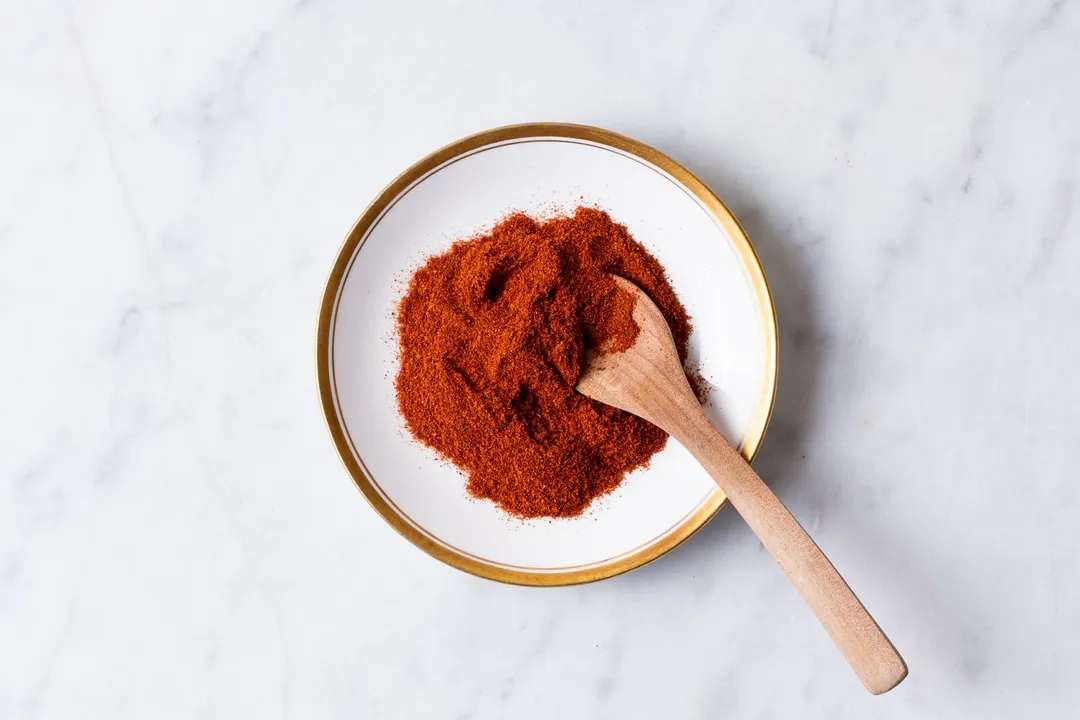
The idea of eating any single food item, even a spice like paprika, every single day prompts a look into both its potential benefits and any risks associated with routine, concentrated consumption. Paprika, a vibrant red powder made from ground dried peppers of the Capsicum annuum family, is beloved globally, used everywhere from garnishing deviled eggs to forming the backbone of Hungarian goulash. [2][7] Whether daily intake is "good" ultimately depends on the type of paprika consumed, the quantity, and individual tolerance, but the general consensus leans toward positive health contributions in typical culinary amounts. [2]
# Nutritional Powerhouse

Paprika is not merely a coloring agent; it is packed with beneficial compounds derived from the peppers themselves. [1][8] The nutritional contribution of paprika can vary significantly depending on the variety—sweet, hot, or smoked—and the specific peppers used. [2][7]
When looking at the micronutrients, a single tablespoon of paprika (about 6.8 grams) provides a substantial dose of Vitamin A, sometimes supplying nearly 20% of the Daily Value (DV). [3] This Vitamin A, largely present as beta-carotene, is vital for healthy vision, immune function, and skin health. [3][8] Furthermore, this same tablespoon contributes measurable amounts of Vitamin E (around 4.5% DV) and Iron (around 2.8% DV). [2] Iron is essential for creating hemoglobin, which carries oxygen throughout the body, making it important in the prevention of anemia. [3]
Beyond vitamins and minerals, paprika is noted for its high concentration of antioxidants, primarily carotenoids such as capsanthin, lutein, and zeaxanthin. [3][8] Antioxidants work by neutralizing highly reactive molecules known as free radicals, which can otherwise lead to cell damage linked to aging and chronic diseases like cancer and heart disease. [3][8]
It is worth noting that a quick comparison of vitamin content often shows that the concentration in a single teaspoon can be surprisingly high. For instance, one teaspoon might provide around 40% of the daily Vitamin A needs, which, if you are relying on it as a natural source, is an excellent boost, especially when paired with dietary fat for better absorption of fat-soluble vitamins like A and E.
# Compounds and Effects
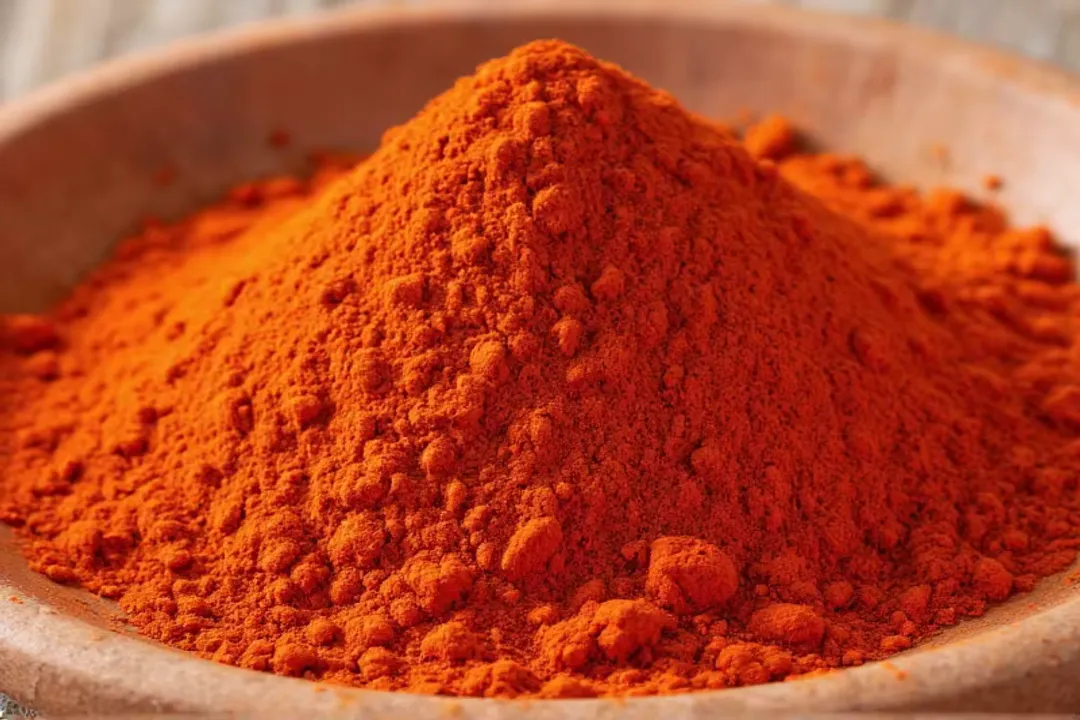
The specific health effects often attributed to paprika are tied to particular active compounds found within the pepper derivatives.
# Capsaicin Activity
Paprika made from spicier peppers, like hot Hungarian paprika, contains capsaicin, the chemical responsible for heat. [2][8] Research suggests capsaicin may offer benefits in several areas:
- Anti-inflammation: Capsaicin is studied for its potential to reduce pain and fight inflammation by binding to nerve cell receptors. This may be helpful for autoimmune conditions and joint pain like arthritis. [3][8]
- Blood Sugar Control: Studies indicate capsaicin might aid in managing diabetes by influencing genes involved in blood sugar control and potentially improving insulin sensitivity. [3][8] In one study involving pregnant women with diabetes, a capsaicin supplement significantly lowered post-meal blood sugar levels. [3]
- Cancer Potential: The presence of capsaicin in hot varieties has been linked to inhibiting cancer cell growth in laboratory settings, showing potential mechanisms to fight certain cancers, including gastric cancer. [8]
It is important to remember that these studies often use capsaicin supplements, and the amount present in standard culinary paprika, especially sweet varieties, may not be sufficient to replicate the effect seen in these trials. [2]
# Carotenoids and Heart Health
The vibrant red color of paprika itself signals the presence of potent carotenoids, particularly capsanthin. [8] Capsanthin is specifically noted for potentially improving cardiovascular health by raising levels of HDL (good) cholesterol in some animal studies. [3][8] Furthermore, the carotenoids like beta-carotene, lutein, and zeaxanthin may help decrease levels of LDL (bad) cholesterol and total cholesterol, factors linked to increased heart disease risk. [3]
# Vision Support
The combination of Vitamin E, beta-carotene, lutein, and zeaxanthin makes paprika a supporter of eye health. [3] High dietary intake of lutein and zeaxanthin has been specifically linked in population studies to a decreased risk of developing age-related macular degeneration (AMD) and cataracts. [3]
# Daily Usage and Dosage
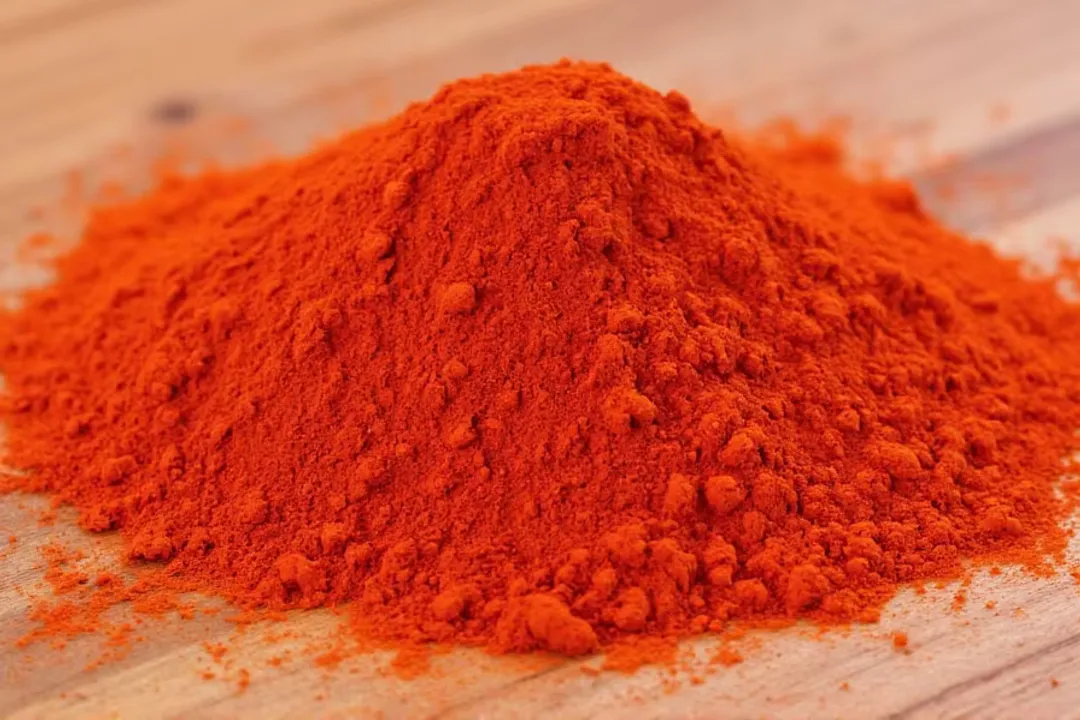
If you are considering eating paprika daily, the quantity and type will define the experience. In many cultures, like Hungarian cuisine, paprika is used liberally—sometimes in tablespoons—as a fundamental ingredient, not just a sprinkle, for dishes like pörkölt (goulash). [1][8] For those accustomed to this style, daily consumption seems to cause no adverse effects. [1]
However, most Western dietary habits see paprika used more sparingly, often as a garnish. [2][7] Experts suggest that sticking to 1 to 2 teaspoons (tsp) maximum per day is a safe guideline for reaping benefits without undue risk.
Here is a breakdown of how the type influences daily use:
| Paprika Type | Primary Flavor Profile | Key Consideration for Daily Use |
|---|---|---|
| Sweet/Regular | Mild, slightly sweet, earthy | Best for consistent daily use; high in color-based antioxidants. |
| Smoked (Pimentón) | Smoky, deep, woody | Contains phenolic compounds from the oak smoke, adding antioxidant variety, but the smoke processing is something to be aware of if you consume a lot of smoked foods. [4] |
| Hot (Hungarian) | Peppery, spicy (due to capsaicin) | If consumed daily in large amounts, the capsaicin can cause gastrointestinal irritation in sensitive individuals. [2] |
One observation made by culinary professionals is that many commercially available sweet paprikas can taste surprisingly bland if they are old or low quality, suggesting that the perceived flavor benefit of daily use might be lost if the spice isn't fresh. [1] A practical tip for maximizing daily nutritional gain is pairing your paprika-seasoned meal with a source of healthy fat, such as olive oil on vegetables or avocado toast, as this enhances the absorption of fat-soluble vitamins like A and E. [8]
# Potential Risks and Sensitivities
While generally safe in typical cooking amounts, consuming paprika daily in above-average quantities raises a few practical considerations. [1]
# Gastrointestinal Upset
The most common potential issue with high, daily intake is mild gastrointestinal irritation, which can manifest as heartburn, stomach pain, nausea, or diarrhea. [2] This is more likely if one is consuming the hot varieties due to the capsaicin content, or if one has pre-existing conditions like gastritis or reflux. [2] One user in an online discussion noted that adding industrial quantities to stews resulted in a temporary, interesting orange color in their stool, which can happen with high intake of any red food coloring. [4]
# Nightshade Sensitivity
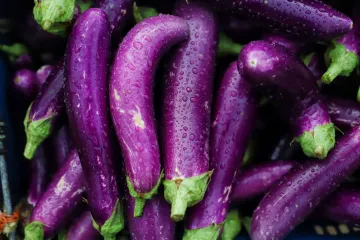
Paprika comes from the nightshade family, which also includes tomatoes, potatoes, and eggplant. [4] For individuals sensitive to nightshades—a condition sometimes linked to increased inflammation, joint pain, or migraines—daily, higher consumption of paprika could potentially trigger a reaction or worsen existing symptoms. [4] If you have a known sensitivity, starting with a very small test amount, perhaps as little as 1/8th of a teaspoon, is prudent before increasing daily intake.
# Additives and Quality Concerns
A crucial factor when considering daily consumption is what else is in the jar besides dried pepper. Some concerns about paprika toxicity stem from additives used for coloring preservation, such as ethoxyquin. [4] While toxicology studies suggest a person would need to consume over a cup of paprika daily for related compounds to approach concerning levels—an amount unlikely in a standard diet—it warrants awareness. [4] To ensure you are only consuming the beneficial pepper, always check the ingredient list. If it lists anything other than "paprika" or the specific variety (e.g., "smoked paprika"), you might be consuming fillers or artificial coloring agents. If you are committed to daily intake, seek out high-quality, pure spice from established sellers, perhaps storing it in the refrigerator for short periods to preserve potency. [4]
# Vitamin K and Medications
Paprika contains Vitamin K, a nutrient vital for blood clotting. [3] While this is beneficial for most people, those on anticoagulant medications, such as warfarin, must be mindful of consistent, high intake of Vitamin K sources, as it can potentially interfere with medication efficacy. For typical cooking amounts, this is rarely an issue, but a drastic, daily increase in consumption should be discussed with a healthcare provider if you are on blood thinners.
# Preparing Paprika For Flavor Bloom
To truly enjoy paprika daily, maximizing its flavor is key, which is often overlooked when it is simply dusted on at the end of cooking. [1] Paprika flavor and aroma compounds are often best released when gently heated in a fat source, a process known as blooming. [1][8]
If you are sprinkling it on eggs or avocado toast, that fat content helps with vitamin absorption, as noted earlier. However, for cooked dishes like stews, rice, or roasted vegetables, try adding the paprika early when sautéing aromatics in oil, but be careful not to burn it. [1] Burnt paprika turns immediately bitter and unpalatable. [1] An actionable technique is to incorporate paprika into a base layer—like sautéing onions and garlic—before adding liquids, which allows its flavor to build depth, rather than just being a surface seasoning. [1]
In summary, daily paprika consumption is generally supported by its rich nutritional profile—especially its high Vitamin A and antioxidant content—provided you choose high-quality product and maintain moderation. For the average person, a small amount every day contributes positively to overall nutrient intake, but those with gastrointestinal sensitivities or nightshade concerns should monitor their intake, especially of the hot varieties.
#Videos
The Power of Paprika! - YouTube
Related Questions
#Citations
8 Science-Backed Benefits of Paprika - Healthline
Paprika Benefits, Side Effects, and Preparations - Verywell Fit
Is paprika powder ok to eat in above average amounts? : r/nutrition
Is paprika powder okay to eat in above average amounts? - Quora
The Power of Paprika! - YouTube
Spice Spotlight: Paprika
Paprika Powder Health Facts: Benefits and Risks Explained - Spices
Paprika: The Antioxidant-Rich Spice that Fights Disease - Dr. Axe