What are three foods cardiologists say not to eat?
When you are trying to make meaningful changes for better heart health, the advice from cardiology professionals can feel overwhelming because they often caution against staples of the modern diet. It's less about strict deprivation and more about understanding why certain foods consistently appear on "foods to avoid" lists from experts across the field, from practicing physicians to registered dietitians specializing in cardiovascular care. [1][2][3] While the specific number of items cardiologists caution against can vary—some list three, others six, seven, or even forty—the core offenders tend to fall into distinct, high-risk categories revolving around processed ingredients, excessive sodium, unhealthy fats, and refined sugars. [1][4][5] To cut through the noise, we can focus on three major food groups that cardiologists repeatedly emphasize should be limited or entirely removed from a heart-conscious eating plan: processed meats, foods loaded with added sugar, particularly beverages, and anything deep-fried.
# Cured Meats

One of the most consistent warnings from cardiovascular specialists concerns processed meats. [1][2][6][9] This category includes familiar items like bacon, sausage, hot dogs, deli slices, and cured hams. [4] The concern isn't just the fat content, though that is certainly a factor; the real issue lies in how these meats are preserved and manufactured. [1]
Cardiologists point to high levels of sodium and chemical preservatives as primary problems. [1][2][3] Sodium is added liberally to cured meats not only for flavor but also for preservation, and excessive intake is directly linked to elevated blood pressure, a major risk factor for heart disease. [8] Beyond sodium, many processed meats contain nitrates and nitrites, which are chemical compounds used to maintain color and prevent bacterial growth. [1] When these chemicals are cooked at high heat, they can form nitrosamines, which are known carcinogens, and their regular consumption is generally discouraged for long-term health, including cardiovascular wellness. [1]
A practicing cardiologist noted that while red meat, in general, often gets the blame, the processing is what elevates commercial cuts like bacon and sausage to a top-tier avoidance list. [9] Even leaner cuts of turkey or chicken, when processed into deli slices or sausages, often carry the same high sodium load as their red-meat counterparts. [4]
For someone used to grabbing a quick slice of turkey for a sandwich or bacon for breakfast, replacing these requires a shift in grocery strategy. Instead of relying on pre-packaged deli turkey, look for chicken or turkey breasts that have been roasted whole and sliced in-house, or better yet, roast your own. If you are looking for that salty, savory punch, consider using spices or herbs like smoked paprika or garlic powder for flavor instead of relying on cured ingredients. [2] An astute shopper might notice that while "low sodium" bacon still contains significant amounts of salt, it might be a marginal improvement over conventional options, but the overall goal should be to move towards fresh, unprocessed protein sources like fish, beans, or plain poultry whenever possible. [1][3]
# Sugar Drinks

The second major category cardiologists advise cutting out is high-sugar beverages, which often represent the largest source of added sugar in the average American diet. [1][6] This primarily means soft drinks, sweet teas, fruit punches, and energy drinks. [1][9] Dietitians specializing in heart health are particularly adamant about liquid calories because they provide virtually no nutritional value while rapidly spiking blood sugar levels. [2]
The danger here is direct: high intake of sugary drinks is associated with an increased risk of weight gain, type 2 diabetes, and subsequent heart disease. [1][3] The liver processes the large influx of fructose from these drinks, often turning the excess into fat, which can contribute to fatty liver disease and increased harmful blood lipids. [3] One expert mentioned that while people often scrutinize food labels, they sometimes forget that a standard 20-ounce bottle of soda can contain the equivalent of nearly 17 teaspoons of sugar. [3]
It is essential to differentiate between the sugar naturally occurring in whole fruit and the concentrated, added sugars in beverages. A whole apple comes packaged with fiber, which slows sugar absorption; a glass of apple juice, even if 100% juice, lacks that fiber and concentrates the sugar, making it less beneficial for the heart. [2]
Here is a helpful way to evaluate your own intake: grab your favorite bottled beverage and look at the nutrition label. If the serving size is one bottle, multiply the "Added Sugars" grams by four (if the bottle is 4 servings) or simply look at the total sugar content. A target for heart health is aiming for under 25 grams of added sugar per day for women and under 36 grams for men, according to general dietary guidelines, making that single soda a massive portion of your daily allowance. [6]
To maintain hydration without the sugar hit, cardiologists often recommend simple water, perhaps infused with lemon, cucumber, or mint. If you crave carbonation, sparkling water is an excellent alternative to soda, as it provides the fizz without the empty calories or artificial sweeteners that some experts also view with caution. [3]
# Deep Fried

The third major category that appears across multiple expert warnings is fried foods. [1][2][3][4][9] Whether it’s french fries, doughnuts, fried chicken, or anything cooked in a deep fryer, the process itself introduces significant heart risks. [4]
When foods are submerged in hot oil, they absorb a substantial amount of fat. [1] The type of fat used by restaurants or commercial food manufacturers is critical. Many high-volume fryers use oils that, when repeatedly heated, can generate trans fats or high levels of saturated fats. [8] Trans fats, in particular, are notorious for raising "bad" LDL cholesterol while simultaneously lowering "good" HDL cholesterol, a double-hit to cardiovascular health. [3] Even if a restaurant uses a seemingly "healthier" oil, the high-heat exposure can lead to the formation of harmful compounds, sometimes referred to as advanced lipoxidation end products, which promote inflammation in the body. [4]
A common misconception is that simply baking something that would have been fried is an equivalent swap. While baking a potato wedge instead of deep-frying it drastically reduces the added fat, it's important to remember that highly refined carbohydrates, like the white flour batter on fried chicken or the white potato itself, are often processed quickly in the body, sometimes acting similarly to simple sugars once digested, which connects back to the issues discussed in the previous section. [6][9]
The key takeaway from cardiologists here is moderation and method. If you are preparing food at home, using an air fryer or roasting with just a light mist of heart-healthy oil like olive or avocado oil offers texture and flavor satisfaction without the massive fat load of deep frying. [2] When eating out, this is one category where avoiding the item entirely is the safest bet for strict heart health protocols. [1]
# Refined Starches And Sodium Spikes
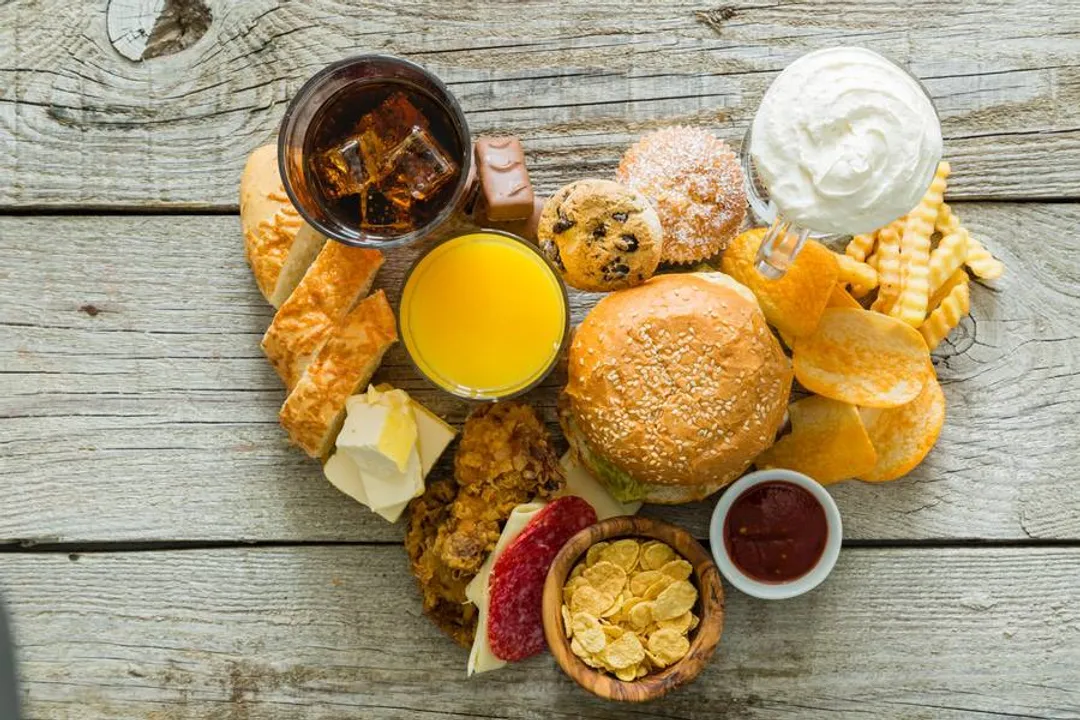
While the three primary items—processed meats, sugar drinks, and fried foods—represent the most frequent warnings, a careful look at expert advice reveals a couple of other related culprits that contribute significantly to a poor heart diet: highly refined grains and hidden sodium bombs. [3][6]
# White Grains
Cardiologists frequently group highly refined carbohydrates alongside sugary items because the body processes them similarly. [9] Think of white bread, white pasta, white rice, and many commercially baked goods like pastries and crackers. [4] These foods have had their bran and germ removed, stripping away fiber and many essential nutrients. [6] This process leaves behind mostly starch, which is quickly broken down into glucose, leading to rapid blood sugar spikes. [3] Over time, this chronic spiking stresses the system and is linked to increased inflammation and higher cardiovascular risk. [6] Swapping these for whole grains—brown rice, whole wheat pasta, oats, and quinoa—introduces fiber that helps stabilize blood sugar and supports healthy cholesterol levels. [2]
# Hidden Salt Traps
The issue of sodium appears in almost every warning list, not just due to processed meats, but also from convenience and prepared foods. [1][3][8] Canned soups, frozen dinners, fast food burgers, and even many salad dressings are notorious for their high salt content. [4] These items can easily push a person well over the recommended daily limit without them realizing it, especially if they aren't actively monitoring their intake. [8]
For instance, one standard can of condensed soup might contain half of your recommended daily sodium allowance in a single serving. [4] A practical way to handle this is to adopt a simple rule: if you buy canned goods, choose the "no salt added" or "low sodium" versions, and when preparing them, rinse canned beans or vegetables thoroughly under running water before cooking; this simple rinsing action can wash away a significant portion of the excess surface salt. [2] This small adjustment in kitchen habits can make a surprising difference in your 24-hour sodium profile without requiring you to cook every meal from scratch every day.

# Dietary Mindset Shift
Ultimately, the advice from cardiologists centers on reducing sources of inflammation and metabolic stress. [1][3] The foods to avoid are those that deliver high amounts of unhealthy fats, excess sodium, and refined sugars while providing low nutritional density. [2][9] The shift required is often less about banning one food and more about adjusting the foundational composition of your plate. [1]
Consider this comparison: A typical American lunch might be a deli sandwich (processed meat, white bread, high-sodium condiments) with a bag of chips (fried, high salt) and a sugary soda. A cardiologist-approved lunch would emphasize fresh, whole ingredients: a salad topped with grilled chicken breast (no skin), avocado, and a homemade vinaigrette, with water to drink. The flavor profiles are entirely different, but the first meal floods the system with ingredients linked to immediate and long-term stress on the vascular system, while the second provides fiber, lean protein, and healthy fats that actively support heart function. [2] Focusing on what you can add—more vegetables, more whole grains, more healthy fats like those found in nuts and seeds—often makes reducing the list of foods to avoid feel less like a punishment and more like a positive upgrade to your eating patterns. [1]
#Videos
3 Things Cardiologists Warn You Should Never Eat - YouTube
Related Questions
#Citations
6 Foods Cardiologists Avoid - Orlando Health
I'm a cardiovascular dietitian. Here are 7 things I eat and avoid for ...
A cardiologist shares the 5 foods she avoids for a 'healthy heart'
16 Foods That Are Bad for Your Heart - WebMD
40 Foods Cardiologists Say You Should Avoid for a Healthy Heart
The 3 worst foods and drinks for your heart - Piedmont Healthcare
3 Things Cardiologists Warn You Should Never Eat - YouTube
Which Medicines and Foods Should a Heart Patient Avoid?
The Five Worst Foods for Your Heart - Atlantic Health System