Is sweet corn good for pregnancy?
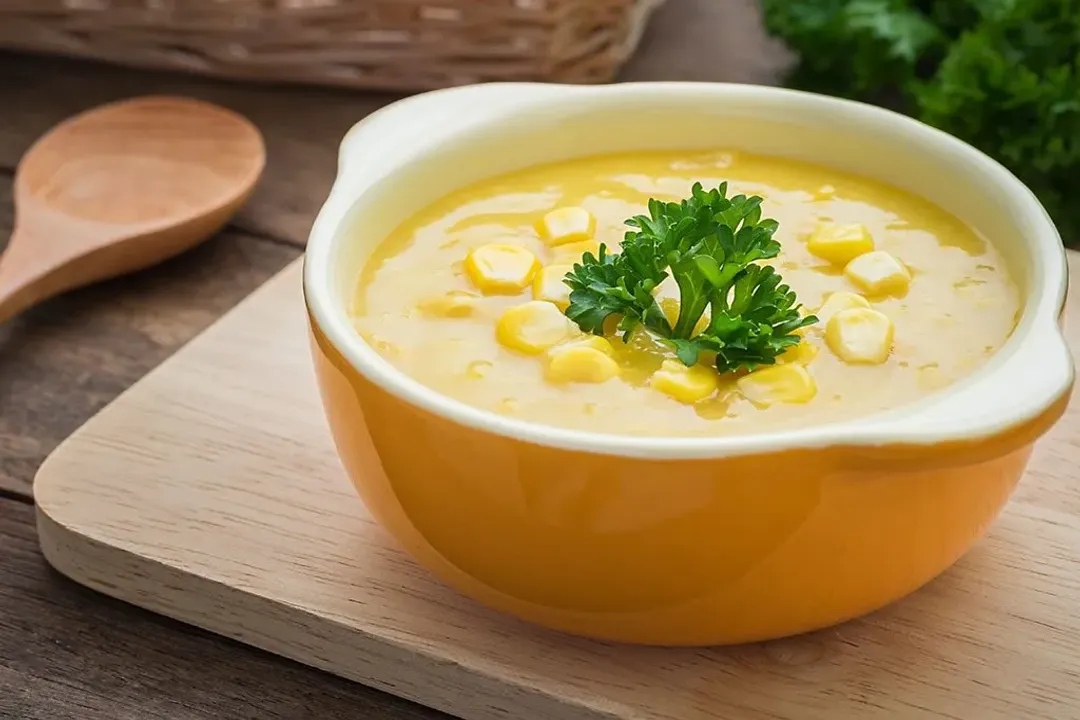
Incorporating fresh, seasonal vegetables into an expectant mother's diet is often a topic filled with more questions than answers. Sweet corn, with its bright color and naturally sweet flavor, is a vegetable frequently enjoyed, but knowing its place in a pregnancy diet requires a closer look at its nutritional profile and potential considerations. It certainly offers many valuable components that support a healthy pregnancy, provided it is consumed thoughtfully as part of an overall balanced intake. [1][2]
# Nutrient Density
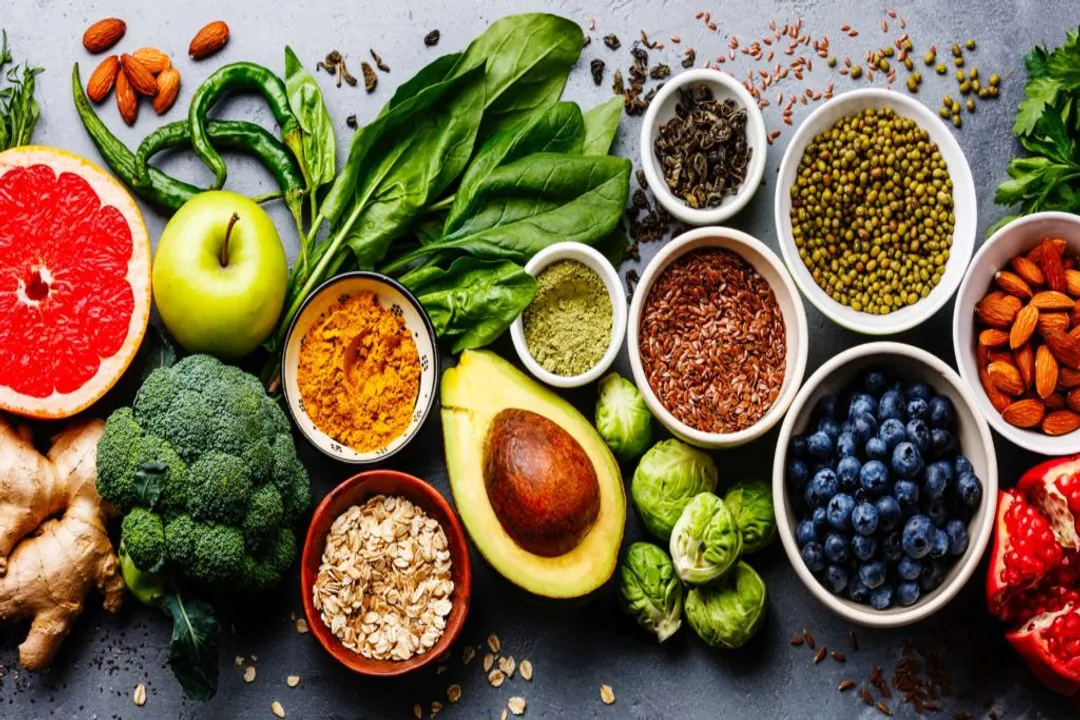
Sweet corn is a powerhouse of essential nutrients that become even more important when you are nourishing two individuals. [7] The kernels are not just sources of carbohydrates; they pack significant amounts of vitamins, minerals, and beneficial plant compounds. For instance, corn kernels are a good source of several B vitamins, including folate, which is vital for proper fetal development. [7] Additionally, minerals like magnesium and phosphorus contribute to bone health and energy production during this demanding period. [7]
Corn also contains antioxidants, notably lutein and zeaxanthin. [7] While these are often discussed in the context of adult eye health, ensuring the mother receives adequate antioxidants supports overall cellular health, which is critical when the body is undergoing significant physiological changes. [7] The combination of nutrients means that a moderate serving of corn can contribute positively to meeting daily requirements during the prenatal phase. [1]
# Fiber Benefits
One of the most immediately noticeable benefits of adding corn to your prenatal menu relates to digestion. Pregnancy hormones often slow down the digestive tract, leading to common issues like constipation and sluggishness. [5] Sweet corn is naturally rich in dietary fiber, both soluble and insoluble. [5] This fiber acts as a bulking agent, helping to regulate bowel movements and promoting regularity. [5]
For many women, substituting highly processed snacks with a serving of fresh, cooked corn on the cob can offer satisfying bulk without relying on laxatives. However, it is important to note that fiber intake should be increased gradually, especially if the diet was previously low in fiber, to prevent initial gas or bloating. [5] Hydration alongside increased fiber is non-negotiable for maximum digestive benefit. [5]
# Consumption Limits
While nutritious, moderation remains the guiding principle for nearly every food group during pregnancy, and corn is no exception. [1][6] Even healthy foods can become problematic if they displace other necessary food groups or are consumed in overwhelming quantities. Because sweet corn is naturally higher in sugars compared to its starchy counterparts, managing the portion size is key, especially for those monitoring gestational blood sugar levels. [6]
If you compare sweet corn to, say, whole grain wheat flour used in bread or pasta, the sweet corn kernel has a higher immediate sugar concentration for the same volume. [1] Therefore, while an occasional serving of corn as a vegetable is excellent, relying on large quantities of processed corn products (like heavily refined corn flour-based snacks) might not offer the same balanced nutritional return or could contribute unnecessarily to overall sugar intake. It is helpful to think of sweet corn as a starchy vegetable, similar to peas or potatoes, rather than strictly a non-starchy green vegetable like broccoli. [1]
# Serving Tips
How you prepare and serve sweet corn significantly impacts how beneficial it is to your pregnancy diet. The goal should always be to maximize nutrition while minimizing unnecessary additives. [5] Corn that is boiled or steamed until tender is generally considered the safest and healthiest option. [5]
A common pitfall is drowning a delicious cob of corn in large amounts of butter, heavy cream, or excessive salt to enhance the flavor. While these additions are fine in moderation, piling them on negates some of the health advantages by significantly increasing saturated fat and sodium intake. [5] If you are aiming for maximum health benefits, consider lighter flavor enhancers like fresh herbs, a squeeze of lime juice, or a light dusting of chili powder instead of heavy slatherings of toppings. [5] Furthermore, ensuring the corn is thoroughly cooked is an important safety measure to eliminate any potential bacterial risks associated with undercooked produce. [6]
# Traditional Views
Beyond standard modern dietary guidelines, some traditional systems offer their own perspectives on food consumption during pregnancy. [3] For instance, in Ayurveda, corn is generally considered to have a cooling or warming effect depending on the specific preparation and is evaluated based on its potential impact on the three doshas. [3] Some traditional interpretations may suggest caution with highly starchy or cooling foods if the individual constitution leans toward imbalances that cold or heavy foods can exacerbate. [3] This is less about inherent toxicity and more about achieving energetic balance during a sensitive physiological state. [3] While one should always adhere to evidence-based prenatal guidelines, understanding these traditional nuances can sometimes offer context for why certain foods might cause perceived sluggishness or discomfort in specific individuals, even if they are nutritionally sound on paper. [3]
# Diet Integration
Placing sweet corn into the broader context of prenatal nutrition reveals its role as a supportive player, not the star performer. [9] Official prenatal guidelines typically emphasize consuming a wide variety of fruits, vegetables, lean proteins, and whole grains to ensure all necessary macro and micronutrients are covered. [9] Corn fits nicely into the vegetable category, sometimes overlapping with the complex carbohydrate group depending on the portion size. [1]
To make the most informed choices for your pregnancy diet, it can be helpful to evaluate how a food fits into your daily pattern. Here is a simple approach to integrating corn healthily:
- The Corn Check: Before consuming, quickly assess the source. Is it fresh or frozen (best options)? Is it canned (check sodium levels)? Or is it highly processed (limit this)?
- Preparation Preference: Always lean towards steaming or boiling over frying. If you prefer a creamed corn style, opt for recipes using low-fat milk alternatives or light broth instead of heavy cream.
- Topping Audit: Measure your toppings. A small knob of butter is very different from coating the entire cob. A squeeze of fresh lemon or spices adds flavor without the high caloric load of fat or salt.
- Portion Awareness: Treat one medium ear of corn as one serving of starchy vegetable, balancing it with plenty of non-starchy greens in the same meal.
This thoughtful, layered approach helps ensure that the benefits of the fiber and vitamins in the corn are gained without accidentally overloading on sodium or unnecessary fats, which is a frequent challenge in making everyday foods pregnancy-friendly. [9][5] Furthermore, incorporating varied colors—pairing the yellow corn with dark leafy greens or red tomatoes—ensures a wider spectrum of phytochemicals enters your diet, which is a foundational strategy for excellent prenatal nutrition. [7]
Related Questions
#Citations
Can Pregnant Women Eat Sweet Corn? A Nutritionist's Insight
Is Corn Good for Pregnancy? Benefits, Risks and Safe Ways to Eat
Can We Eat Corn During Pregnancy: Safety & Benefits | Ask Ayurveda
Corn in Pregnancy Corn provides all 9 essential amino acids. It ...
Corn in Pregnancy: Benefits & Side Effects | MyloFamily
Eating Corn in Pregnancy: Health Benefits, Risks & Tips
Is sweetcorn good for you? - BBC Good Food
Fertility Foods: Do's and Don'ts - SMP Pharmacy
What to Eat During Pregnancy | Best Foods for You and Your Baby