Is ocean perch fish good for you?

This deep-sea dweller, often confused with its freshwater cousins, presents a compelling case for inclusion in a health-conscious diet. Whether you call it rockfish, redfish, or simply perch, understanding the nutritional breakdown of ocean perch reveals why many sources highlight it as a superior choice for lean protein and essential nutrients. [1][2] The fact that one widely cited ranking placed ocean perch third on a list of the world's most nutritious foods, scoring an impressive 89 out of 100, certainly suggests there is merit to paying attention to this species. [1]
# Species Identity
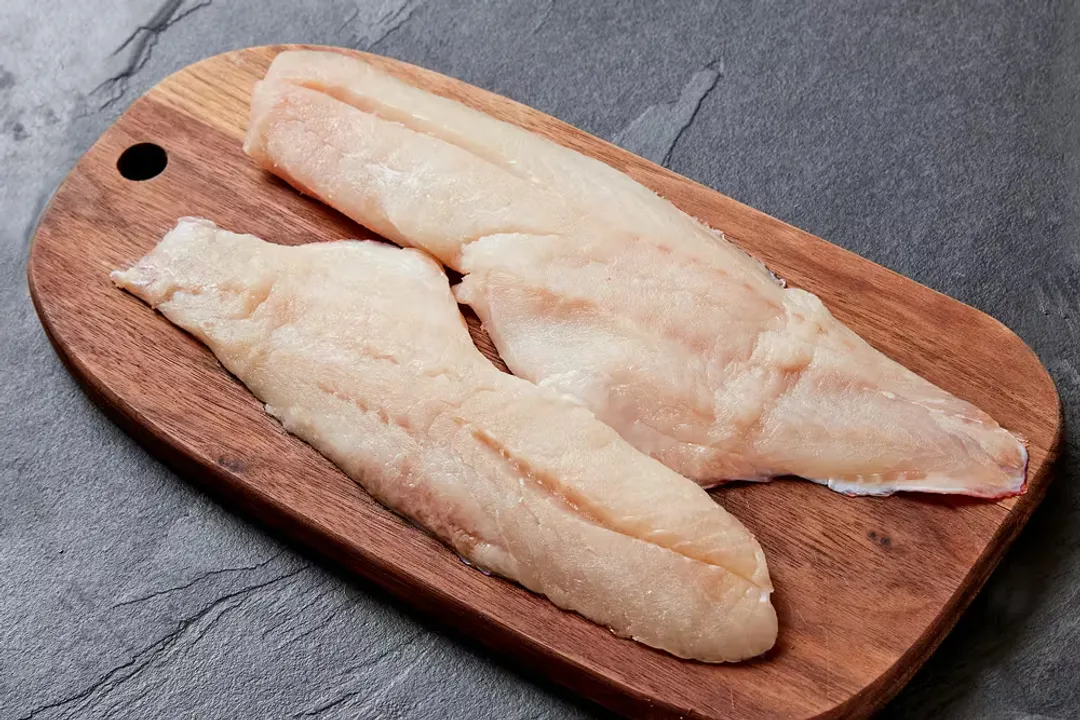
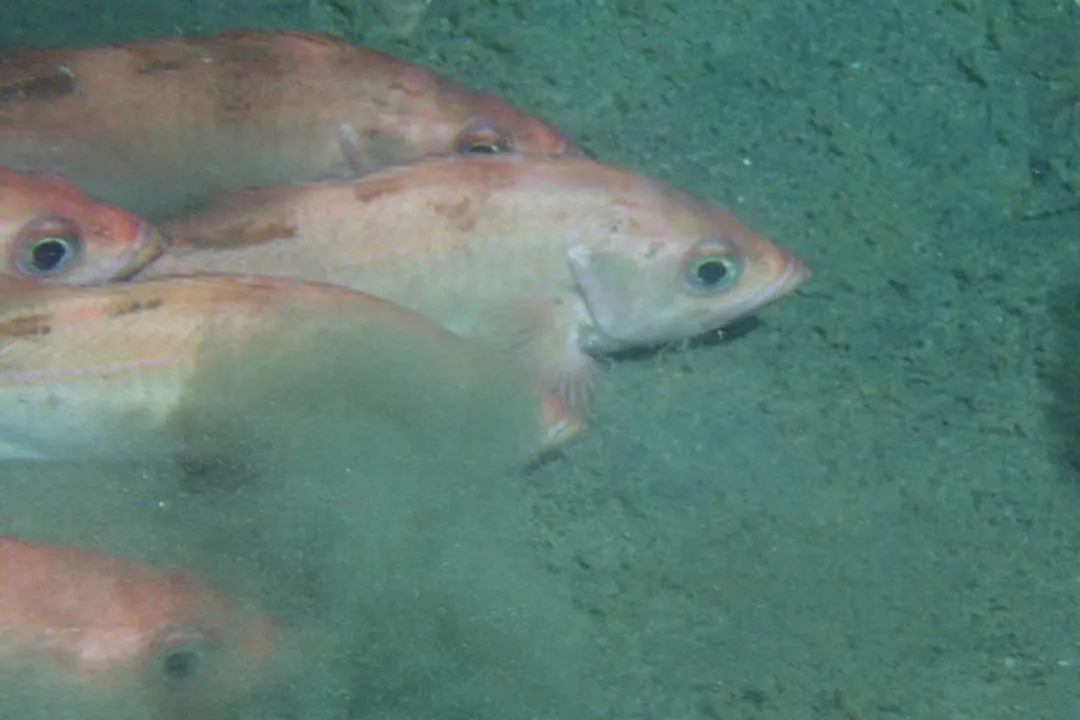
A crucial first step when discussing the health impact of "perch" is clarifying which fish is on the plate. The term "perch" can be quite broad, encompassing several freshwater varieties, which has led to some confusion in consumer circles. [3] For instance, the deep-water fish often marketed as Ocean Perch is scientifically grouped with rockfish. [1][2] Specifically, the Pacific Ocean Perch (Sebastes alutus) is found off the coast of North America, ranging from California up to Alaska. [2] Meanwhile, another widely available type, Icelandic Ocean Perch (Sebastes marinus), is noted for having firmer flesh and potentially higher fat content due to the frigid Icelandic waters it inhabits. [5] This difference in habitat and species means nutritional values can shift, although the general trend remains overwhelmingly positive for both deep-water varieties. [5] It is important for consumers to note that true freshwater perch is a different entity entirely. [3]
# Core Nutrition Profile
Across the different documented sources for raw ocean perch, the theme is consistent: high protein, low carbohydrates, and low calories. [2][4] Depending on the exact species and data set used for measurement, a 100-gram serving generally hovers around 94 to 117 calories. [2][4] This positions it as a medium-calorie food, suitable for moderation even on calorie-controlled diets. [4]
The protein content is substantial, providing the body with completeness proteins—meaning they contain all nine essential amino acids necessary for bodily functions that the human body cannot produce on its own. [4] Estimates place the protein content between approximately 18.62 grams to nearly 25 grams per 100 grams serving. [2][4] For context, this high protein level is excellent for muscle growth, repair, and promoting satiety, which aids in feeling full longer. [1]
When examining macronutrients, ocean perch is virtually carb-free, containing 0 grams of carbohydrates. [4] Its total fat content is quite low compared to fattier fish, generally registering around 1.18 to 1.63 grams per 100g. [2][4] Furthermore, it boasts lower saturated fat compared to some counterparts like cod. [1][4]
| Nutrient (per 100g Raw) | Pacific Ocean Perch (NOAA) | Comparison Perch (General) |
|---|---|---|
| Calories | 94 kcal [2] | 117 kcal [4] |
| Protein | 18.62 g [2] | 24.86 g [4] |
| Total Fat | 1.63 g [2] | 1.18 g [4] |
| Saturated Fat | 0.244 g [2] | ~0.237 g [4] |
| Cholesterol | 42 mg [2] | 115 mg [4] |
The texture and flavor profile of ocean perch are also noteworthy for culinary applications. It is described as having a delicate, nutty flavor, with a lean, fairly firm texture that breaks into a fine flake when cooked. [2]

# The Mineral Powerhouse

Beyond the basics of protein and fat, ocean perch shines when looking at its micronutrient density, which contributed to its high nutritional score. [1] It is particularly rich in several key minerals that support various systems within the body. [1][8]
Selenium is consistently highlighted as a major component of ocean perch nutrition. [1][2][5][8] This powerful antioxidant helps protect cells from damaging free radicals and is important for normal thyroid function and immune support. [8] Ocean perch also delivers high levels of Phosphorus, essential for maintaining healthy bones, energy metabolism, and the normal function of all cells. [1][8]
One comparison study noted that perch generally contains a higher overall mineral content than cod. [4] Perch was found to be significantly richer in Calcium, Iron, Potassium, Zinc, Copper, and Manganese compared to cod in that specific comparison data set. [4] The concentration of Vitamin B12 is also noteworthy; it is crucial for nerve health, red blood cell production, and mental health, with some data suggesting perch contains twice the amount found in cod. [1][4]
# Comparing Fish Cuts
When assessing perch health benefits, it's useful to see how it stacks up against other common white fish, such as cod. While both are excellent sources of protein, the comparison reveals trade-offs. Perch tends to be slightly higher in total fat, but this fat includes beneficial Omega-3 fatty acids. [4] In one analysis, perch provided significantly higher amounts of Omega-3s (EPA, DHA, and DPA) compared to cod. [4]
However, cod may offer advantages in certain areas; for instance, it was shown to contain twice the amount of Selenium in one comparative analysis. [4] For vitamins, perch edges out cod in Vitamin B2, B5, B12, and C, while cod leads in Vitamin B6. [4]
It is worth noting that the study that provided this detailed comparison also noted a potential downside for perch: it is higher in purines. [4] Purines are substances that the body breaks down into uric acid, and high intake can promote the formation of uric acid stones, potentially leading to kidney stones. [4] This is a dietary consideration that needs to be weighed against the fish's impressive vitamin and mineral profile.
# Safety and Concerns
Any discussion about consuming wild-caught fish must address potential risks. Like many species, perch may contain trace amounts of mercury. For vulnerable populations, such as pregnant women or young children, managing intake is crucial due to mercury's potential neurotoxicity. [4] Always seek information on sourcing and testing if concerned about contaminants. [2]
The potential for allergic reactions is inherent with any fish product. More specifically to perch, the high purine content bears repeating as a health risk factor for those prone to gout or specific types of kidney stones. [4] Furthermore, as with any seafood, there is always a baseline risk of contamination from harmful bacteria or parasites if the fish is not handled correctly or consumed raw/undercooked.
From a sustainability standpoint, the Pacific Ocean Perch stock has a documented history, having been declared overfished in 1999 before a rebuilding plan brought it back to a "rebuilt" status in 2017. [2] Today, U.S. wild-caught Pacific ocean perch is generally considered a smart seafood choice because it is managed responsibly, with rebuilding plans in place to restrict harvest in certain areas. [2]
If you are looking at the Icelandic variety, that fishery is often targeted specifically (not as bycatch) and is MSC-certified, suggesting high sustainability standards managed by the island nation. [5]
# Dietary Fit
The nutritional makeup of ocean perch makes it remarkably versatile for numerous eating patterns. Its lack of carbohydrates makes it completely appropriate for keto diets. [4] It also fits well within the framework of a Mediterranean diet, which is associated with lowering the risk of cardiovascular events. [4]
Considering its high protein and low-carb nature, you get a significant nutritional return for a relatively low-calorie investment. For someone actively managing weight, this is advantageous, though moderation is still advised as it is not an ultra-low calorie food like some greens. [4]
If we consider the research done on Silver Perch essence in mice, the benefits related to high protein, BCAA content, and overall nutrient density suggest enhanced exercise performance and delayed fatigue through increased glycogen storage in muscles and liver. While this is from a supplement/essence study, it points to the high quality of the raw material's building blocks, which includes branched-chain amino acids like Leucine, Isoleucine, and Valine.
Thinking practically about meal planning, if you are focused on increasing B12 and Selenium intake—two nutrients critical for nerve and thyroid health, respectively—regularly substituting perch for other proteins becomes a simple, actionable strategy. [1][8] However, because of the purine content mentioned earlier, pairing a meal of perch with high-purine vegetables or other meats might need to be offset by ensuring adequate hydration, which helps the kidneys manage uric acid load. [4] This balance—maximizing the benefit of scarce nutrients like B12 while managing purine load—is key for long-term, frequent consumption.
# Texture and Cooking
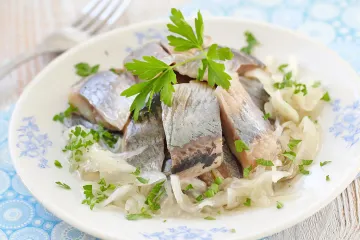
The texture of Pacific Ocean Perch is described as lean and fairly firm with a fine flake, making it adaptable to various cooking techniques. [2] Icelandic Ocean Perch, often firmer, crisps up nicely when seared because of its thin skin. [5] General advice suggests cooking to an internal temperature of 145° F. [5] Cooking methods like baking, grilling, broiling, or pan-frying are recommended, often pairing well with both simple herbs and bolder spices. [5] The mild flavor means it takes on the taste of accompanying ingredients easily, whether you are preparing it in tacos, stews, or serving it simply grilled. Proper storage, such as keeping fresh fish refrigerated on a bed of ice and draining any meltwater, will maximize its flavor and quality for the short term.
Related Questions
#Citations
Cod vs. Perch — Health Impact and Nutrition Comparison
Ocean Perch - Crowd Cow
Is Wild Caught Ocean Perch healthy at all? : r/HealthyFood - Reddit
Ocean perch Nutrition Facts - CheckYourFood
Pacific Ocean Perch | NOAA Fisheries
'World's healthiest fish' scores 89 out of 100 and keeps ... - Surrey Live
Perch — Nutrients, Health Benefits, and Shopping Tips - Listonic
Effects of Perch Essence Supplementation on Improving Exercise ...