Is muskmelon good for pregnancy?
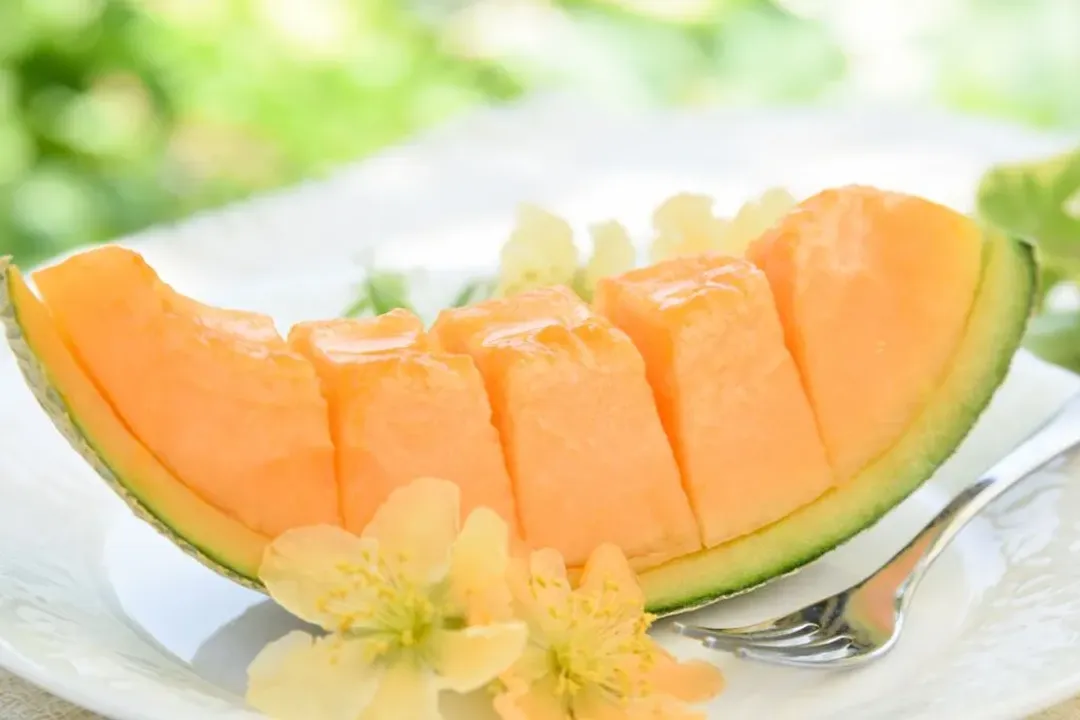
This sweet, fragrant fruit known commonly as muskmelon, or kharbuja in some regions, is a welcome addition to many diets, and during pregnancy, it often garners positive attention from expecting mothers looking for healthy, refreshing snacks. Its high water content makes it an excellent choice for staying hydrated, which is particularly important when carrying a little one. [1][4] Generally speaking, muskmelon is considered a beneficial fruit to include in a prenatal diet, provided it is sourced, cleaned, and consumed correctly. [2][3]
# Key Nutrients
Muskmelon is packed with essential vitamins and minerals vital for both the mother’s well-being and the baby’s development. A significant advantage it offers is its contribution to the daily requirement of several B vitamins, including folate. [5] Folate, or folic acid, is non-negotiable early in pregnancy as it plays a crucial part in preventing neural tube defects in the developing fetus. [5]
Beyond folate, muskmelon is a decent source of Vitamin A, which supports healthy vision and immune function for both you and your baby. [4] You also get a good boost of Vitamin C, known for its antioxidant properties and its role in enhancing the body’s ability to absorb iron—a mineral many pregnant women need in higher amounts. [3]
The fruit also delivers important minerals. Potassium, for instance, is present, helping to regulate fluid balance and potentially assisting in maintaining healthy blood pressure levels, which is always a focus during pregnancy. [2][3] It also contains some magnesium, another mineral that supports various bodily functions. [2]
| Nutrient Group | Primary Benefit in Pregnancy | Supporting Factor |
|---|---|---|
| Water | Hydration, combating morning sickness | Over 90% water content [1] |
| Folate | Fetal neural tube development | Essential B vitamin [5] |
| Vitamin C | Immunity, Iron absorption | Antioxidant properties [3] |
| Fiber | Digestive regularity | Combats pregnancy constipation [1][4] |
# Gestational Support
One of the most persistent discomforts in pregnancy is constipation, often caused by hormonal changes slowing down the digestive tract. Muskmelon addresses this issue on two fronts: through its fiber content and its high water volume. [1][4] The combination of soluble and insoluble fiber helps bulk up stools and keep things moving smoothly, while the water ensures everything passes easily. [5] Think of the water content acting as a lubricant for the fiber’s mechanical action; one without the other is often less effective in managing sluggish digestion. [1][4]
The fruit’s low-calorie nature also makes it an excellent choice when monitoring weight gain, offering substantial nutrition without a heavy caloric load. [2] Because it is cooling and refreshing, particularly in warmer climates, it can be incredibly helpful in managing pregnancy-related heat or mild nausea. [4] Furthermore, maintaining good fluid intake is critical for supporting the increased blood volume required during gestation, making every refreshing slice count towards that goal. [2]

# Safety First
While the internal flesh of a ripe muskmelon is packed with goodness, the rind presents a hidden hazard that absolutely cannot be overlooked during pregnancy. Melons, by nature, grow on the ground, and their rough exterior can harbor bacteria like Listeria or Salmonella. [7][8] If you cut into an unwashed melon, these surface contaminants can be transferred directly into the edible flesh by the knife blade. [4][7]
Because pregnant individuals experience immune system changes that make them more susceptible to foodborne illnesses, this contamination risk is heightened, and the consequences can be more severe. [7] Therefore, adopting a rigorous cleaning routine is paramount. Before you slice into a cantaloupe or muskmelon, you must scrub the entire exterior under running water using a clean vegetable brush. [8] Even if you plan to peel it, scrubbing is necessary because peeling residue can transfer the bacteria inward. [4]
If you cut the melon and only eat part of it, store the remaining pieces properly. It is best practice to refrigerate cut melon pieces within two hours of cutting, placing them in a clean, sealed, shallow container. Deep storage containers that allow air circulation around the fruit pieces, rather than submerging them in water, help maintain quality and reduce any potential for bacterial proliferation in standing liquid. [4]
# Smart Intake
When selecting your muskmelon at the market, look for signs of peak ripeness and quality. The melon should feel heavy for its size, which indicates good water content. [4] The stem end where it was attached to the vine should be slightly indented or smooth, rather than wet or moldy, which signals proper ripening. [4] Avoid any melon with soft spots, bruises, or moldy patches on the rind. [4]
In terms of how much to consume, moderation is key, as with all sweet fruits. While muskmelon is a healthier choice than processed sweets, it still contains natural sugars. If you are monitoring your blood sugar levels—which becomes especially important if gestational diabetes is a concern—it's wise to pair your fruit with a source of protein or healthy fat, such as a small handful of almonds or a dollop of plain yogurt. [9] This pairing helps slow down the absorption of the natural sugars, leading to a steadier energy release rather than a quick spike. [9] For example, enjoying a one-cup serving of cubed muskmelon alongside five or six walnuts offers a balanced snack that capitalizes on the melon’s vitamins while the nuts provide steady energy and healthy fats crucial for baby’s brain development. This strategy allows you to reap the hydration and vitamin benefits without over-relying on the fruit’s natural sugars alone.
A point of comparison worth noting is that while muskmelon offers excellent hydration, it is sometimes perceived as less hydrating than its cousin, watermelon, which typically boasts an even higher water percentage. However, muskmelon often provides a slightly higher concentration of Vitamin A and C compared to watermelon per serving, making it a worthwhile trade-off when variety is the goal. [1][3] Aiming for a serving size of about one cup of cubed fruit daily is a solid target to include its benefits without overdoing the sugar intake.

# Digesting Concerns
While muskmelon is generally safe and highly recommended, some sources caution that individuals with specific food sensitivities might experience mild digestive upset. [4] Although rare, allergies to melons can occur. If you notice any unusual itching, swelling, or significant gastrointestinal distress after trying muskmelon for the first time in your pregnancy, it is best to pause consumption and discuss it with your healthcare provider.
Another potential, albeit minor, concern stems from the natural sugars if consumed excessively. Overindulging in any high-sugar fruit can contribute to unnecessary calorie intake or blood sugar fluctuations. [9] The benefit of muskmelon lies in its nutrient density relative to its caloric cost, but this benefit diminishes if one eats half a melon in one sitting. Listening to your body and sticking to sensible portions ensures you maximize the nutritional gain while keeping your energy levels steady and supporting healthy fetal growth. [2][5]
Related Questions
#Citations
Muskmelon (kharbuja) during Pregnancy: Nutritional Benefits & Facts
Can Pregnant Women Eat Muskmelon? Nutritional Facts & Tips
Muskmelon and Its Nutritional Benefits in Pregnancy - Apollo 247
Should You Eat Muskmelon During Pregnancy? - Pushp Clinic
Muskmelon (Kharbuja) in Pregnancy - Benefits, Risks & More
Muskmelon is great during pregnancy! Here are some benefits:
Fruits to Avoid During Pregnancy: What Not to Eat and Why
What are the risks of eating muskmelon during pregnancy? - Quora
Muskmelon in Pregnancy: Benefits, Effects & Nutritional Values - Mylo