Is urad dal good during pregnancy?

Many expectant mothers thoughtfully examine their daily intake, seeking foods that offer maximum nutrition to support both their changing body and the growing baby. Urad dal, also known as split black gram, frequently appears on lists of recommended pregnancy foods due to its rich nutritional profile. [10] This legume offers a substantial boost of essential nutrients that align well with the increased demands of gestation, making it a worthy addition to the prenatal diet. [2][4]
# Essential Nutrients
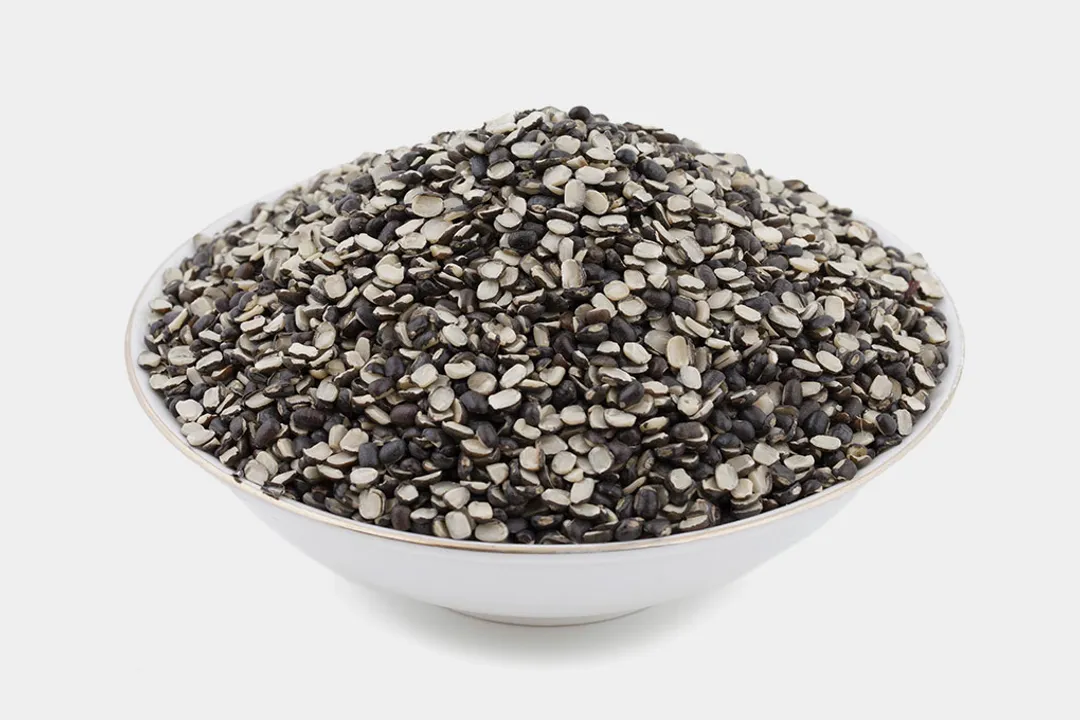
The primary appeal of urad dal during pregnancy lies in its macro and micronutrient content. It is recognized as being high in protein, iron, and folate. [10] Protein is the fundamental building block for nearly every cell and tissue in the developing fetus, making adequate intake non-negotiable for healthy growth. [4] Similarly, the increased blood volume associated with pregnancy places a high demand on the mother's iron stores. Ensuring sufficient iron helps prevent iron-deficiency anemia, a common concern during this time. [4] Folate, or folic acid, is another key player, critically important in the early stages for proper neural tube development. [4]
# Digestive Support

One common, though often unwelcome, companion to pregnancy is digestive sluggishness, frequently resulting in constipation. Urad dal is a good source of dietary fiber. [2][3] Fiber works by adding bulk to stool and promoting regular bowel movements, which can offer significant relief from these common discomforts. [3] When planning meals around high-fiber foods like lentils and dals, it is helpful to remember that the fiber requires ample fluid to move effectively through the system. Pairing a serving of urad dal with a generous glass of water or clear soup helps ensure the fiber works as a gentle regulator rather than contributing to temporary blockage if hydration levels lag.
# Bone Health Minerals
Beyond the well-known trio of protein, iron, and folate, urad dal provides a spectrum of minerals vital for skeletal development. The legume contains notable amounts of calcium, potassium, and magnesium. [3] Calcium is obviously essential for building the baby’s bones and teeth, but it also helps maintain the mother’s bone density during the period when the fetus draws heavily on maternal stores. [3] Potassium is important for maintaining fluid balance and regulating blood pressure, while magnesium plays roles in nerve and muscle function. For mothers focused on keeping their energy levels stable, the presence of phosphorus aids in energy production and cell maintenance. [3]
# Safe Integration
While the nutritional profile strongly suggests urad dal is beneficial, the safety during pregnancy hinges on consumption patterns and preparation. Generally, including urad dal in a balanced diet is safe and encouraged, often featuring in recommended pregnancy diet plans. [8] In fact, some sources contrast it by noting that while certain other types of dal might occasionally be advised against depending on specific circumstances or preparation methods, black gram remains a preferred choice. [1] The key takeaway is moderation. Since it is rich in protein and fiber, overconsumption could potentially lead to bloating or gas, especially if the digestive system is already sensitive. [2]

# Preparation Advice
How you prepare urad dal significantly impacts its digestibility. Before cooking, soaking the dal is strongly recommended. [2] Soaking helps reduce cooking time and can make the nutrients more readily available for absorption. Furthermore, soaking can reduce the presence of compounds that might cause flatulence. [2] You should always discard the water used for soaking before rinsing the dal thoroughly and cooking it until it is completely soft.
When preparing dishes, try to balance the meal. For instance, combining urad dal (which is a legume) with a grain like rice or whole wheat roti creates a complete protein profile, meaning all essential amino acids are present in the meal—something whole grains are sometimes lacking on their own. If you are making a traditional dish like dal makhani, be mindful of the added fats and creams; aiming for a lighter preparation using less oil or substituting some cream with yogurt can keep the meal nutritious without overloading on saturated fats, especially as the pregnancy progresses and space in the abdomen becomes a factor.
# Consumption Frequency
For an average healthy pregnancy, incorporating urad dal a few times a week appears reasonable, provided the serving sizes are appropriate—perhaps one bowl cooked, equivalent to about half a cup dry measure—and it replaces other starchy or less nutrient-dense meals. Since it is a staple in many regional diets, integrating it naturally into existing meal structures, rather than radically overhauling the diet to include massive amounts all at once, is the most sustainable approach. Always consult with your healthcare provider or a registered dietitian who understands your specific health needs and stage of pregnancy to set precise daily or weekly targets. [6]
Related Questions
#Citations
Which Dal to Avoid During Pregnancy - What to Include and Avoid
Is Black Gram (Urad Dal) Good during Pregnancy? - FirstCry Parenting
Benefits of Urad Dal (Black Gram) for Women While Pregnancy & More
How Dals (Lentils) Support Fetal Development: Protein, Iron, Folate
Amazing Health Benefits of Urad Dal
Urad Dal & Papad in Pregnancy: Safe Consumption?
Is urad dal (black gram) safe in pregnancy ... - YouTube
Healthy Indian Pregnancy Diet Plan (Chart) for Women
Black gram | माष in second trimester Urad dal is बलवर्धक - Instagram
Urad Dal Benefits: Rich in Protein, Good for Pregnancy