What are implants used for?

Implants, in a general medical context, refer to devices surgically placed within the body to supplement, repair, or replace a missing biological structure. [9] While the term spans many fields, the most detailed applications covered in current material concern dental implants, which serve as artificial tooth roots anchored securely into the jawbone. [4][6] The core function of these devices is to provide a stable, long-lasting foundation for prosthetic replacements like crowns, bridges, or even dentures. [2][4] They are designed not just for cosmetic restoration but critically for restoring the mechanics of chewing and maintaining facial structure. [10]
# Device Placement
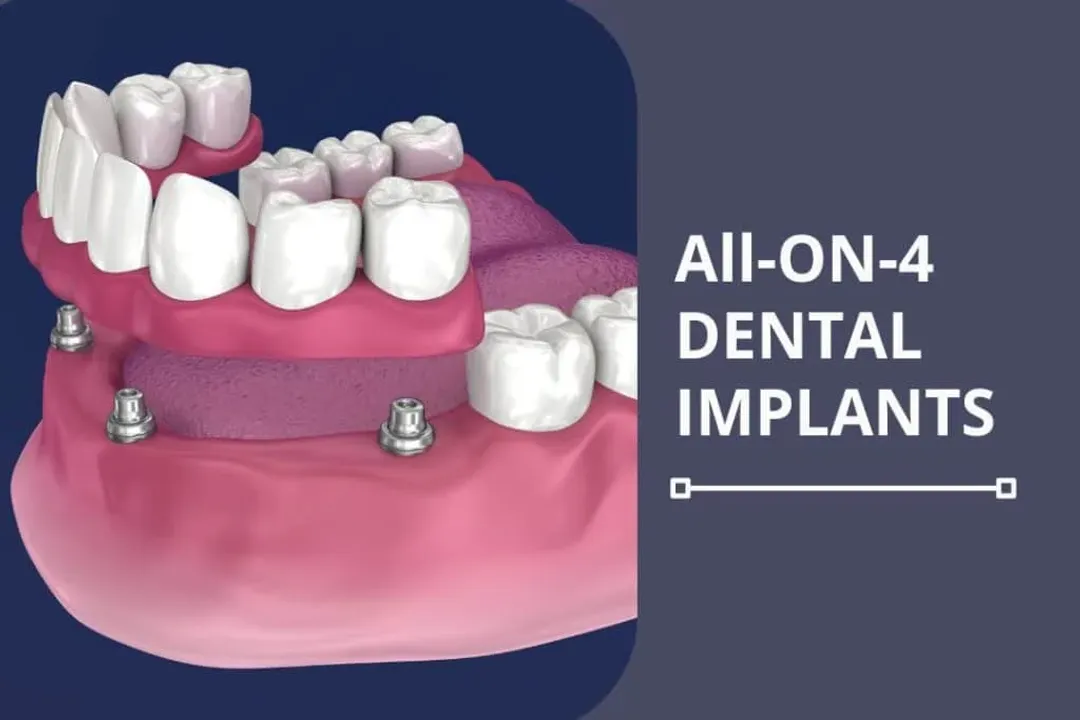
The fundamental concept behind an implant involves direct integration with the body's structure. The FDA specifically defines a dental implant as a device surgically placed into the jawbone or skull to support a dental prosthesis. [2] In oral care, this means that a screw-like post, often made of titanium or a titanium alloy, is embedded into the natural bone where a tooth root once existed. [4][5] This material choice is essential because titanium is biocompatible, meaning the body readily accepts it, allowing for a process called osseointegration where the bone grows directly onto the implant surface. [4][10] This creates a solid, permanent anchor. [10]
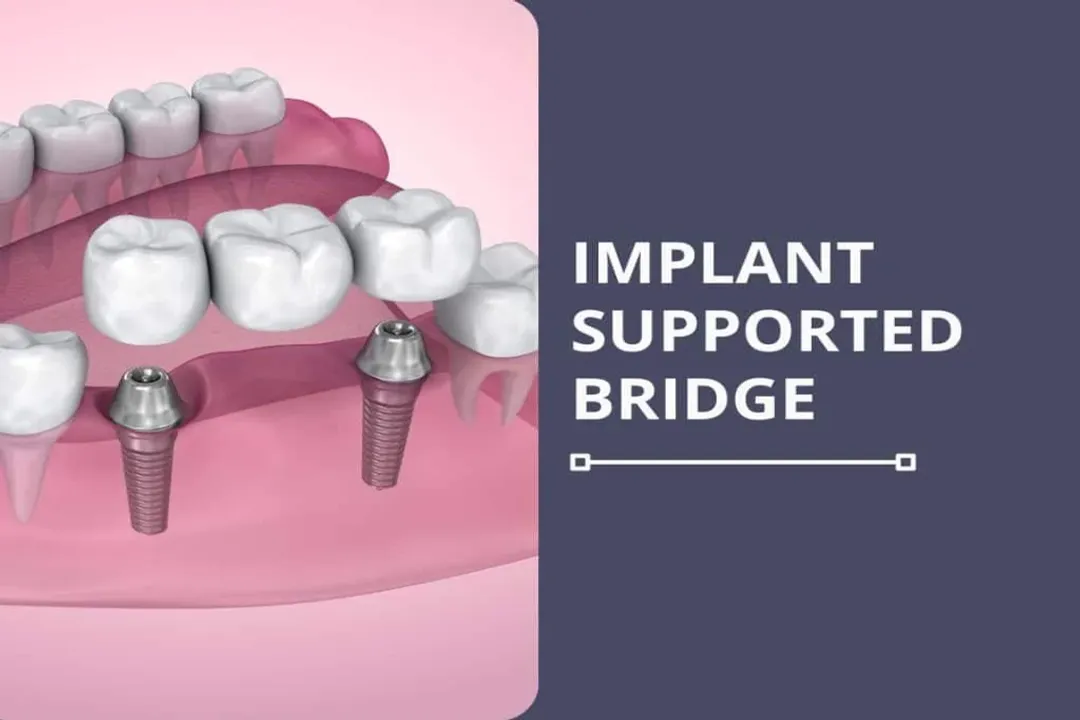
In contrast to systems that rely on adjacent teeth for support, the implant stands independently. [5] For instance, a traditional fixed bridge requires shaving down the healthy teeth flanking the gap to serve as anchors for the prosthetic teeth spanning the space. [5] The implant bypasses this need entirely, anchoring directly into the jaw itself. [5]
# Tooth Replacement
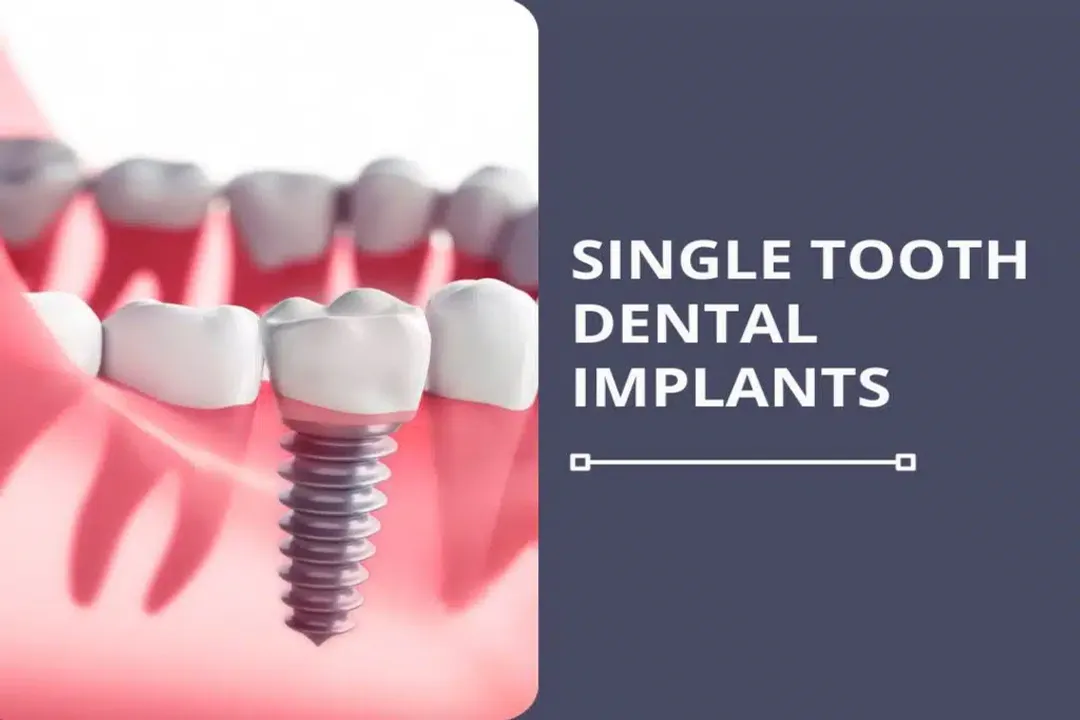
The primary use of dental implants centers on providing a durable solution for missing teeth, which is crucial for maintaining proper function and aesthetics. [4][10] When a tooth is lost, the stimulus normally provided by biting and chewing is gone from that section of the jawbone. Over time, this lack of stimulation causes the underlying bone to resorb, or deteriorate, which can lead to changes in facial appearance and bite alignment. [4][10]
The implant posts counteract this process. By mimicking the pressure transmission of a natural root during function, the implant stimulates the bone to remain dense and healthy. [4][5] This preservation of the jaw structure is a key functional benefit that loose-fitting dentures or even some bridges cannot consistently achieve. [4][10] Once the implant post has successfully integrated with the bone—a process that can take several months—an abutment is attached, which acts as a connector between the buried post and the visible crown or restoration placed above the gum line. [1][5]

# Implant Categories
While "implant" is a broad term, dental professionals primarily employ two main categories based on where they are positioned relative to the jawbone. [3][9] The most common type used today is the endosteal implant. [3][9] As the name suggests, these are placed in the bone. [3] They are the screw, cylinder, or blade-like posts that require sufficient bone volume to be surgically embedded. [3]
A less common approach involves subperiosteal implants. [9] These are generally used when a patient does not have enough healthy jawbone height for standard endosteal placement. [3] Instead of being placed inside the bone, a subperiosteal implant consists of a metal framework that sits on top of the jawbone, just beneath the gum tissue. [3][9] Wires or posts extend through the gum tissue from this framework to hold the prosthesis in place. [3]
It is interesting to note the functional difference: Endosteal implants rely on true biological fusion (osseointegration) with the living bone structure itself, offering superior long-term stability compared to frameworks simply resting on top of the bone structure. [4][9] Considering the forces involved in biting, the integration achieved by endosteal implants is generally what makes them the preferred, modern standard for tooth replacement. [3]
# Material Science
The success of an implant hinges on the materials used, as they must withstand significant, repetitive biting forces while remaining inert within the body. [4][10] Titanium is the material most frequently selected due to its exceptional strength and proven track record of biocompatibility. [4][5][10] The ability of titanium to fuse reliably with bone tissue is central to the long-term success of the procedure. [10]
While titanium is the mainstay, alternatives exist. For instance, some patients may opt for ceramic materials like zirconia, which is often used for aesthetic reasons, though titanium and its alloys remain the gold standard for structural reliability in the jawbone environment. [5] When thinking about long-term investment in oral health, understanding that the material allows your bone to treat the implant like its own structure—a biological integration rather than just a mechanical fit—is key to appreciating the value proposition. [4]

# Stability Comparison
To truly appreciate what implants are used for, it helps to understand the mechanical problem they solve compared to other solutions. A key advantage of implants is how they manage force transmission. When you bite down on a natural tooth, the force travels directly down the root into the bone, exercising and maintaining the bone structure. [4] When you use a removable denture, that force is distributed across the entire gum ridge, often leading to accelerated bone shrinkage where the denture rests. [4]
The engineered precision of the implant system allows the chewing forces to be redirected vertically down the implant post and into the prepared bone site, much like a natural root. [5][10] This is why implants are so effective at preventing the bone loss associated with edentulism (toothlessness). [4] If you are considering tooth replacement, remember that while a bridge distributes stress laterally onto neighboring, often healthy, teeth, the implant's primary goal is to relieve stress on adjacent structures by managing its load vertically within the jaw itself. [5] This vertical loading ensures that the bone tissue receives the necessary functional stimulation to stay healthy, a benefit that requires diligence on the patient's part through meticulous daily cleaning around the crown and gumline to prevent peri-implantitis, which can jeopardize this crucial bone-to-implant connection. [4] The surgical success only sets the stage; ongoing patient care dictates the decades of functional use.
Related Questions
#Citations
Dental implant surgery - Mayo Clinic
Dental Implants: What You Should Know - FDA
Dental Implants: Types and Benefits
Dental Implants: Surgery, Purpose & Benefits - Cleveland Clinic
Dental Implants | Conditions & Treatments - UCSF Health
What is a Dental Implant and What is it Used for?
Dental Implants Sarasota FL | What Are Dental Implants
3 Types of Dental Implants & Which is Best For You
Implant - Wikipedia
Everything You Need To Know About Dental Implants