Why is the lung specifically identified as the principal target organ for damage during paraquat poisoning?
Answer
It contains high concentrations of NADPH oxidase and lacks protective glutathione peroxidase
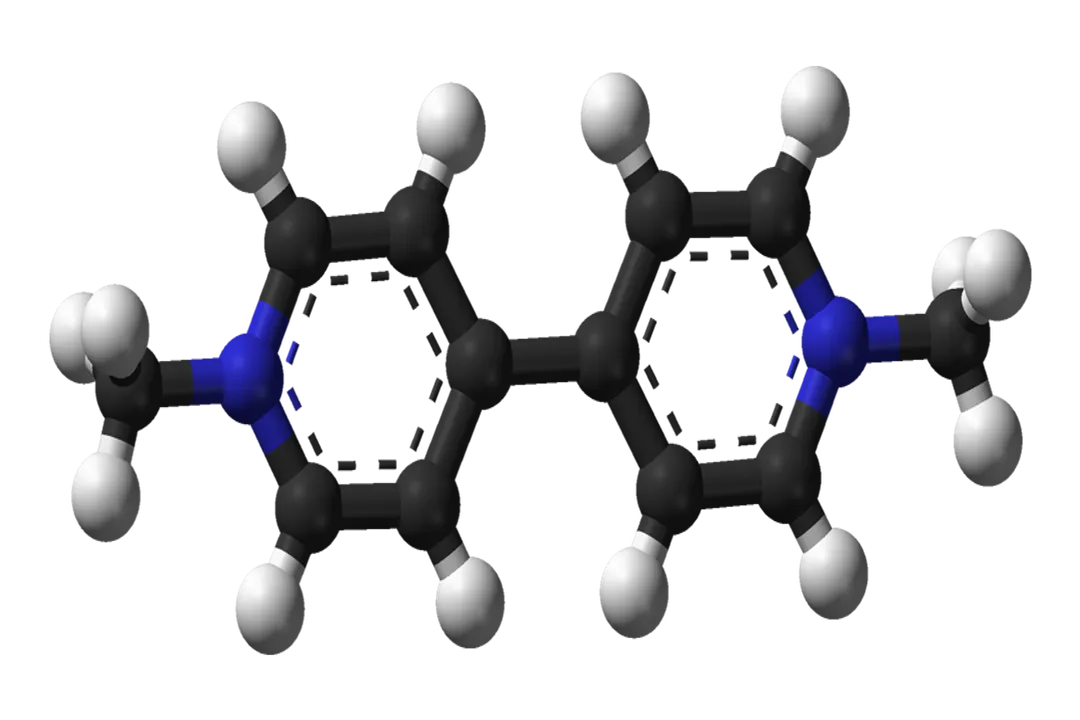
The lung accumulates paraquat more effectively than other tissues. Within lung cells, the enzyme NADPH oxidase facilitates the creation of superoxide radicals when paraquat is present. Simultaneously, lung tissue suffers from a relative deficiency in glutathione peroxidase, which is the enzyme responsible for neutralizing free radicals. This combination of high radical generation and low protective detoxification capacity makes the lungs uniquely vulnerable to irreversible injury and progressive fibrosis.
Related Questions
What is the primary chemical mechanism through which paraquat induces widespread cellular damage?Why is the lung specifically identified as the principal target organ for damage during paraquat poisoning?What clinical condition typically develops in the lungs during the later stages of severe paraquat poisoning?Which substance is preferred in clinical settings for its high adsorptive capacity for paraquat during decontamination?How does paraquat behave immediately upon ingestion regarding its systemic absorption?How is the chemical substance paraquat formally classified?What are the initial clinical manifestations typically observed following the ingestion of paraquat?Which cellular reducing equivalent is rapidly consumed as paraquat undergoes repeated redox cycling?Why has the use of paraquat been completely prohibited in regions such as the European Union?Which commercial product is a widely recognized example of a herbicide formulation containing paraquat?