What are the four types of implants?

The world of restorative dentistry has been transformed by dental implants, offering a durable, long-term solution that closely mimics the function and feel of natural teeth. [2][4] These devices act as artificial roots, surgically placed into the jawbone to provide a stable foundation for replacement teeth, a critical function that helps prevent the bone deterioration associated with missing natural roots. [2] However, the term "implant" is broad, and there isn't a single standard device. The appropriate choice hinges entirely on the patient’s unique oral health situation, particularly the quality and quantity of available jawbone. [1][4] For general readers seeking clarity, the available options are best understood by examining the four primary types based on their design and surgical placement protocol.
# Most Common Anchor
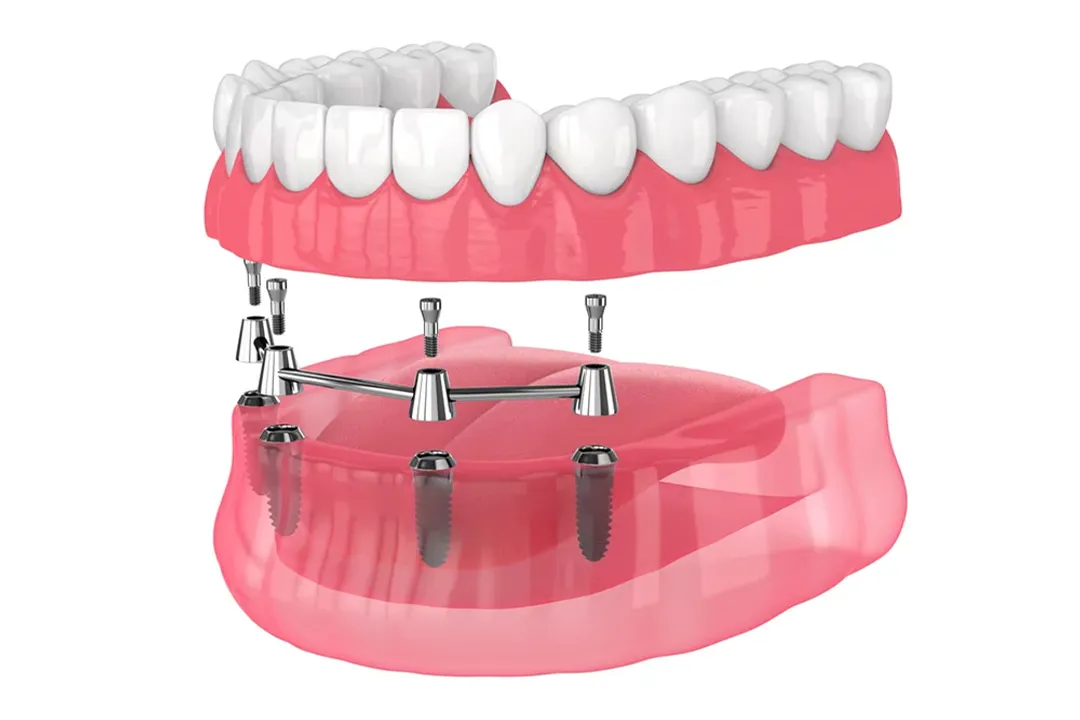
The Endosteal Implant, often referred to as endosseous, is, by far, the most frequently used type of dental implant across the globe. [3][5] These implants are designed to be surgically inserted directly into a healthy jawbone, taking the place of the missing tooth’s root structure. [4][5] The success of this placement relies on a biological process known as osseointegration, where the bone gradually fuses directly with the implant material, typically titanium alloy, creating an exceptionally strong bond. [1][5]
Endosteal implants are not a monolithic category; they come in a few distinct shapes, each optimized for different anatomical challenges or surgical preferences. The most prevalent design is the screw-type implant, featuring threads that grip the bone upon insertion, offering excellent initial stability. [1] Alternatively, cylinder-type implants are smooth-sided but rely on textured or coated surfaces to encourage osseointegration over time. [1][5] While screw-type implants are generally considered the most versatile and often allow for simpler placement, cylinder types may be selected in specific clinical scenarios. [1]
These standard implants usually fall into size variations: standard diameter implants (around 3.5mm to 4.2mm) are the workhorse for most single or multiple tooth replacements in the front or middle sections of the mouth. [1] Where heavier biting forces are anticipated, such as when replacing molars, wide-diameter implants (5.0mm and up) are often utilized to better distribute the chewing load, provided there is sufficient bone width to accommodate them. [1]
Because the titanium implant post must integrate fully with solid bone, patients must possess adequate bone density and height in the target area. [1][5] If bone density is lacking, bone augmentation, or grafting, is often recommended as a preliminary step to build up the area before the permanent implant can be seated successfully. [3][4] Modern endosteal implants boast very high success rates, frequently cited in the 95% to 98% range over a decade, solidifying their status as the gold standard for predictable, long-term restoration. [1]
It’s interesting to consider the materials involved in this "gold standard" approach. The consistent use of titanium alloy for the implant post is critical, not just for its mechanical strength but primarily for its biocompatibility—the body’s ability to accept the material without adverse reaction. [2] This material acceptance allows for the creation of a direct structural and biological bond with living bone, a feature that separates implants from older prosthetics. An insight to consider is that the long-term success rate is often less about the initial surgical placement and more about the biological response to this specific metal; if osseointegration is successful, the implant itself can potentially last a lifetime, though the overlying crown or abutment may require replacement every 10 to 15 years. [4]
# Narrow Bone Solution
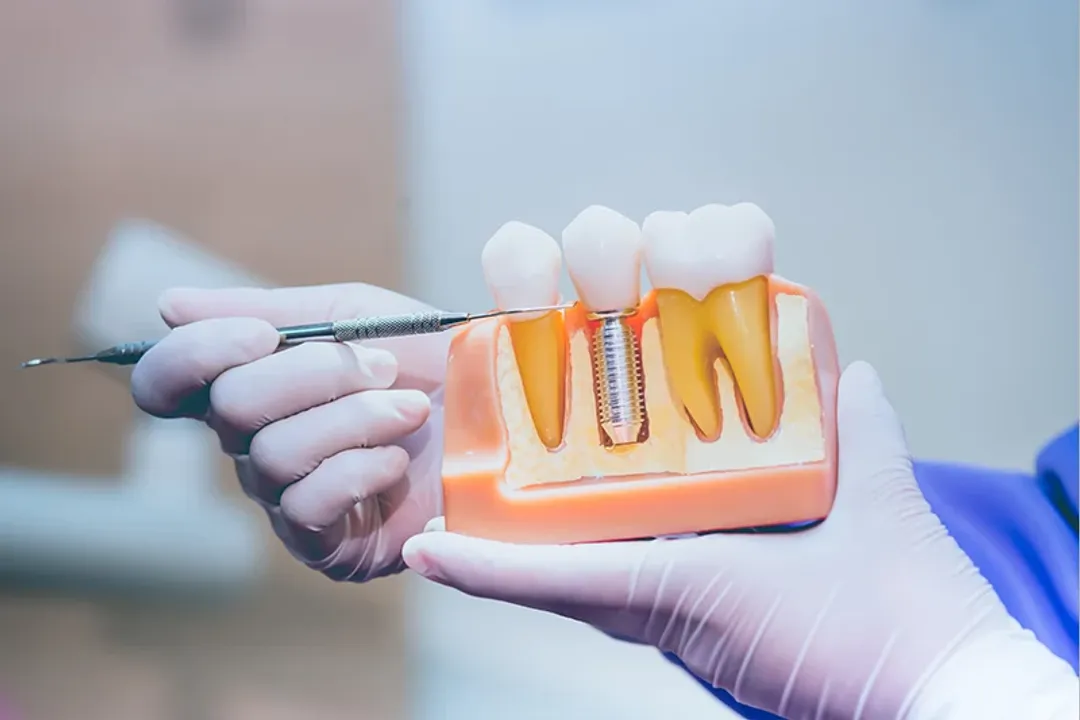
When the jaw ridge is simply too narrow to safely place a standard, wide-diameter Endosteal implant, or when a patient wishes to avoid the more involved surgery associated with bone grafting, Mini Dental Implants (MDIs) emerge as a specialized category. [1][4] MDIs are characterized by their narrow diameter, typically measuring less than 3mm across, distinguishing them clearly from their conventional counterparts. [2][4]
The primary niche for Mini Implants is often denture stabilization rather than replacing individual teeth with crowns, though they can sometimes anchor small restorations like lower incisors. [1] By using four to six MDIs, a dentist can secure a removable denture, preventing the familiar issues of slipping, clicking, and the constant need for messy adhesives that plague traditional dentures. [1][2] This approach offers significantly increased stability and greater bite pressure compared to conventional dentures, and it is generally a more economical option for retaining a full or partial set. [1]
The surgical advantage of MDIs is significant. Because they are so narrow, their placement is often far less invasive; the procedure may not even require incisions or sutures, leading to a faster recovery and less post-operative discomfort compared to traditional Endosteal placement. [1] However, this smaller size inherently means a trade-off in strength. They cannot withstand the same heavy chewing forces as larger implants and may not have the same longevity record due to less available long-term data compared to the established standard. [1] While useful, they represent a specific tool for specific situations, often serving as a more affordable or less invasive bridge to better bone health or as a simpler solution for stabilizing removable prosthetics. [1][2]

# The Legacy Option

The Subperiosteal Implant represents a historical solution to severe bone loss, though it is considered rarely used in contemporary implantology. [3][5] Unlike Endosteal implants, which are drilled into the bone, subperiosteal implants are designed to rest on top of the jawbone, situated just beneath the gum tissue. [3][4]
These implants consist of a custom-fabricated metal framework that molds precisely to the contours of the existing jawbone. [1] Posts from this framework protrude through the overlying gum tissue, providing stable anchors upon which prosthetic teeth or dentures can be affixed. [3][5] A key difference in the treatment timeline is that the subperiosteal process traditionally involved two appointments—one to create the mold and one to seat the framework—which could result in a shorter overall treatment plan than waiting for bone grafting and Endosteal integration. [5]
Despite this potential speed advantage, the drawbacks have led most modern practices to forgo this technique in favor of predictable bone reconstruction. The stability of a subperiosteal implant is inherently lower because it is held in place only by the soft tissue around it, rather than through direct osseointegration with the bone structure itself. [5] This can lead to less security and a higher potential for movement or infection around the framework over time. [1][3] Today, if a patient has insufficient bone, modern dentistry strongly favors performing a bone graft to build up the bone volume, allowing for the superior strength and longevity of an Endosteal implant instead. [1][3]
# The Complex Anchor
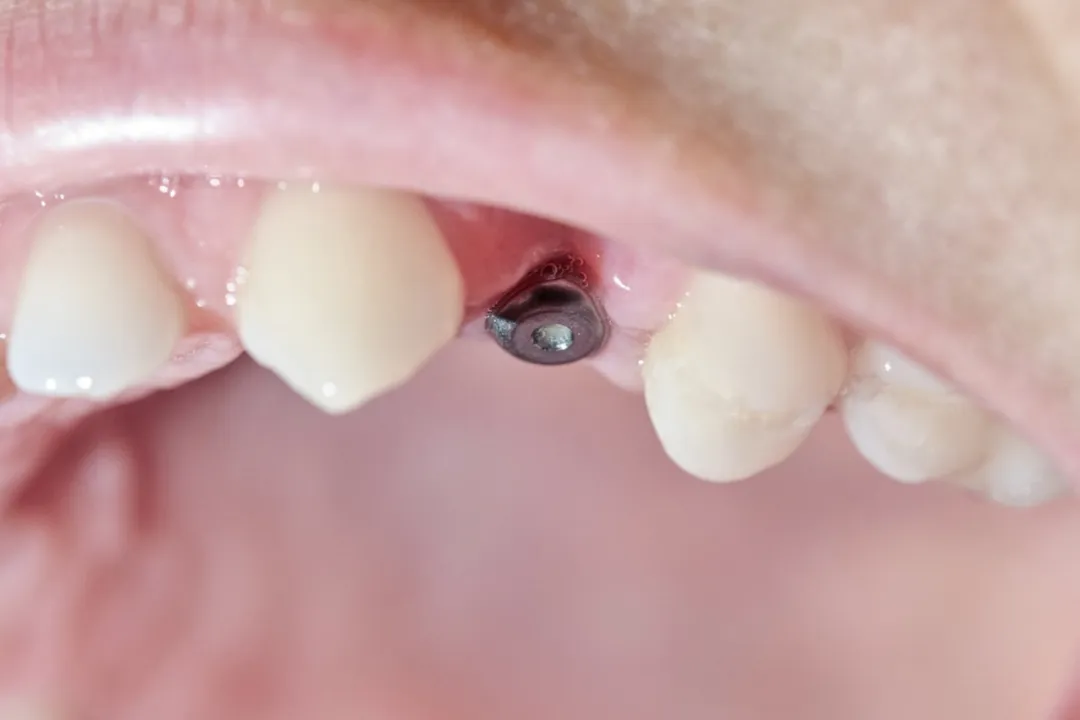
When a patient has experienced extreme bone resorption, particularly in the upper jaw (maxilla), which makes bone grafting unfeasible or undesirable, the Zygomatic Implant offers a specialized, highly advanced alternative. [1][3] These are not jawbone implants; instead, they are significantly longer, sometimes measuring 40 to 55mm, and are anchored securely into the dense cheekbone, or zygoma. [1]
By anchoring into the solid bone of the cheek, zygomatic implants bypass the need for extensive jawbone grafting, making them a viable solution for cases considered "impossible" for standard implants. [1][3] They are exclusively used for supporting full arch restorations in the upper jaw, often in conjunction with the All-on-4 protocol, allowing patients to gain immediate function and aesthetics. [1]
Due to the proximity to critical anatomy like the maxillary sinuses and the complexity of maneuvering in the cheekbone, this procedure requires a very specific skill set. This is a critical point for patient consideration: an insight here is that while zygomatic implants offer remarkable solutions for severe bone loss, their success rates are intimately tied to the surgeon’s specialized training. Unlike procedures that can be competently performed by a general dentist with implant training, zygomatic placement is often reserved for highly experienced oral surgeons or periodontists with advanced credentials in complex reconstruction, as the anatomical considerations are far more demanding. [1] While they boast success rates comparable to Endosteal implants when performed correctly, they are more invasive than standard placement and command a premium cost due to the expertise and specialized nature of the surgery. [1]

# Restoration Types
It is important to clarify that while the four categories above—Endosteal, Mini, Subperiosteal, and Zygomatic—describe the physical implant post and its placement, many discussions about "four types" actually refer to the final restorative outcome that these posts support. [1][2] These restorative concepts dictate how many teeth are replaced and how they function, and they often utilize the Endosteal or Zygomatic hardware beneath the gum line. [2][3]
When a dentist discusses your final smile, the four common restoration types they evaluate are:
- Single Tooth Implant: The most straightforward application, where one titanium post acts as the root for one custom-designed dental crown. [2][3] This is the most conservative option as it leaves adjacent teeth untouched. [1]
- Implant-Supported Bridge: Used when several teeth are missing in a row. Instead of placing an implant for every single missing tooth, two or more implants are used to anchor a bridge spanning the gap. [1][2] This is more economical than individual implants for each missing tooth, but still maintains superior stability compared to traditional, non-implant-supported bridges. [1]
- Implant Dentures (Snap-In/Overdentures): These are for patients needing a full set of lower or upper teeth who still desire the option to remove them for cleaning. [2] The dentures clip or "snap" onto a few strategically placed implants (often four to six), providing vastly better retention and bite force than standard removable dentures. [1][3]
- Full Arch Restoration (e.g., All-on-4/All-on-6): This is a fixed, non-removable solution for an entire arch of missing teeth. [2] The All-on-4 technique, for instance, uses four angled implants to support a full bridge, often allowing the patient to leave the office with a complete, functional set of teeth the same day, which significantly reduces downtime. [1][3] The All-on-6 variation adds two more implants for enhanced stability, which might be preferred for individuals who grind their teeth or have heavier biting habits. [1]
# Selection Factors
Determining which implant type—whether defined by placement technique or restorative goal—is best for you demands a thorough consultation. The decision is never based on a single factor but a combination of clinical necessity and patient desires. [1]
The primary clinical driver is Jawbone Condition. [1] Do you have the density required for Endosteal placement? If not, does the bone loss require the simpler augmentation of an MDI, the specialized anchoring of a Zygomatic implant, or are you a candidate for Subperiosteal placement (though highly unlikely today)?. [3][4]
Beyond bone, the Scope of Replacement is key: Are you replacing one tooth (Single Implant), a few teeth in a row (Bridge), or an entire arch (All-on-4/6)?. [1] Finally, Patient Lifestyle and Goals matter significantly. Do you prioritize the fastest result (Immediate Load protocols often linked to All-on-4), or do you prefer the ability to remove your prosthesis for cleaning (Snap-In Dentures)?. [1] By understanding these foundational hardware types—Endosteal, Mini, Subperiosteal, and Zygomatic—you can better navigate the subsequent discussions about how they will be used to construct your final, custom smile restoration. [3][4]
Related Questions
#Citations
4 Types of Dental Implants: Which One Is Right for You?
Four Types of Dental Implants: Which One's for You?
4 Types of Dental Implants: Find Your Best Option
The Four Types Of Dental Implant Restorations
What are the Different Types of Dental Implants?
Different Types of Implants for Teeth: Complete Guide
Types of Dental Implants: Find Your Best Fit Today
9 Different Types of Dental Implants Explained
What Are the Different Types of Dental Implants?