Which specific lung structures selectively accumulate paraquat leading to toxicity?
Answer
Type I and Type II pneumocytes
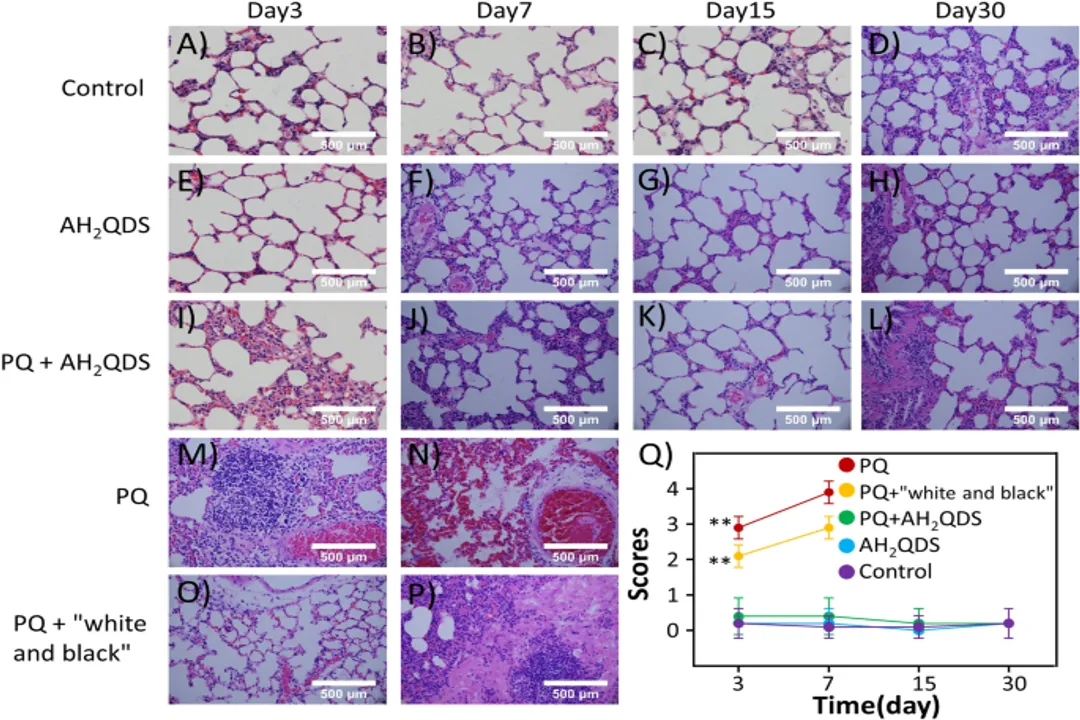
Paraquat exhibits a high degree of selective toxicity toward the lungs because it is actively and specifically taken up by type I and type II pneumocytes. These alveolar cells are essential for respiratory function, and the concentration of the herbicide within these specific cells creates a high local dose of oxidative stress. This selective accumulation is the primary driver of the lung-specific damage that characterizes the poisoning, leading to severe inflammation, architectural destruction, and ultimately, pulmonary fibrosis, which is a major cause of death in affected individuals.
Related Questions
What primary cellular mechanism causes tissue damage during paraquat poisoning?Which substance is specifically recognized as a preferred binding agent for paraquat in the gut?Which specific lung structures selectively accumulate paraquat leading to toxicity?Why is there no widely accepted chemical antidote for paraquat ingestion?What quantity of a 20 percent paraquat solution is linked to high mortality?What is the primary goal of immediate medical intervention following paraquat exposure?What is the role of renal replacement therapy in managing paraquat toxicity?What chronic pulmonary condition frequently follows acute paraquat poisoning?How is paraquat chemically classified?Why have many regions implemented stricter regulations regarding paraquat usage?