What schedule poison is paraquat?
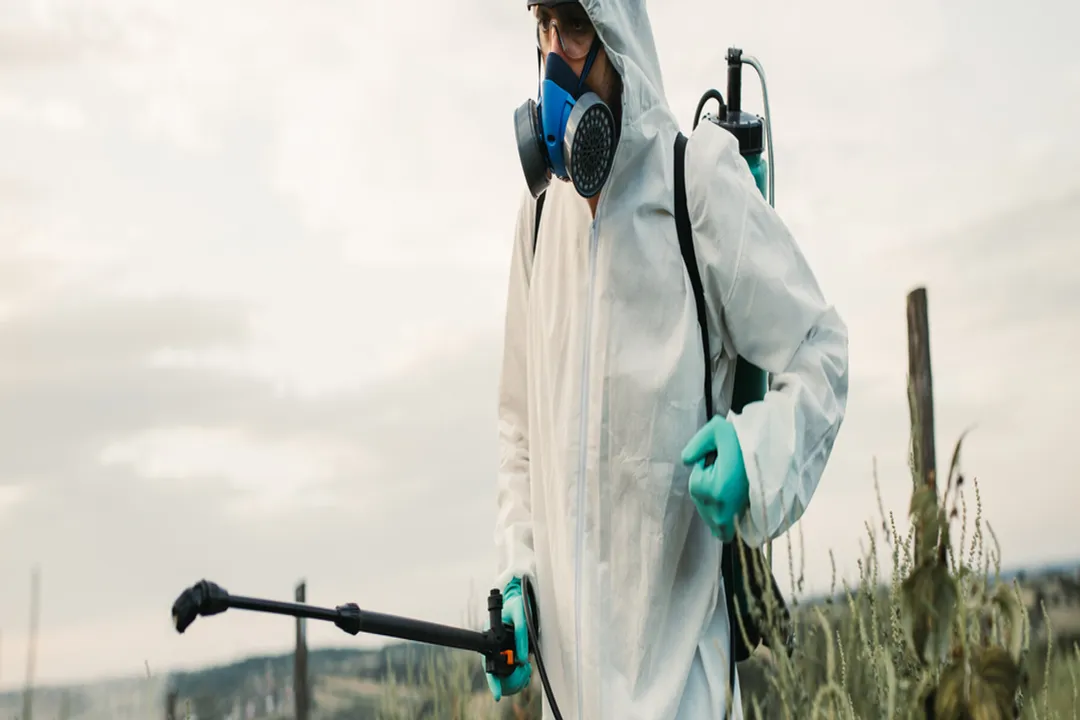
Paraquat is a potent herbicide primarily utilized in agricultural settings for weed and grass control. Because of its extreme toxicity, it is not available for purchase or use by the general public. [4][5] In the United States, the Environmental Protection Agency (EPA) classifies it as a Restricted Use Pesticide (RUP). [5] This classification is a critical legal and safety distinction: it means the chemical is deemed so hazardous that it cannot be used by anyone who is not a certified, licensed applicator. [5][8]
The classification of paraquat as a restricted substance is not arbitrary; it is a direct response to the chemical's profile as a highly dangerous poison. Unlike many household herbicides that require significant ingestion or repeated, prolonged exposure to cause systemic harm, paraquat is dangerous in minute quantities. [2] A single accidental sip can be lethal, and there is no known medical antidote to counteract its effects once it has entered the bloodstream. [5][10] Because of this, it does not fit into typical over-the-counter "poison schedules" consumers might associate with household cleaners or garden chemicals, but rather sits at the highest level of regulatory scrutiny for agricultural chemicals. [8][9]
# Regulatory Classification
The term "schedule" is often used in reference to controlled substances or poisons in various jurisdictions, but for paraquat in the United States, the designation is Restricted Use Pesticide (RUP). [5] This classification framework, managed by the EPA, prevents the retail sale of the product to anyone without specific, state-mandated certification. [5][8]
To understand why it is so tightly controlled, it is helpful to contrast its status with standard herbicides commonly found in retail stores.
| Feature | Paraquat Dichloride | Standard Herbicides |
|---|---|---|
| Purchasing Access | Certified Applicators Only | General Public |
| EPA Status | Restricted Use Pesticide | General Use |
| Acute Lethality | Extremely High (One sip) | Low to Moderate |
| Antidote | None Available | N/A (or Supportive Care) |
| Label Signal Words | DANGER, POISON (Skull/Crossbones) | CAUTION, WARNING |
This regulatory wall exists because the risk associated with paraquat is not just environmental; it is a severe, acute human health threat. [2] The EPA requires that all paraquat products include the words "DANGER" and "POISON" prominently on the label, accompanied by the skull and crossbones symbol. [4] Furthermore, the packaging must be designed to prevent accidental ingestion, such as using specialized containers that discourage people from transferring the chemical into beverage bottles or unmarked jars. [5]
# Toxicological Profile
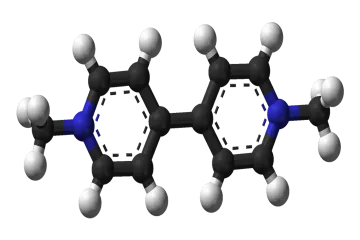
Paraquat functions as an oxidative stressor. When it enters the body—typically through ingestion, though skin absorption and inhalation are also significant risks—it disrupts the normal function of cells by generating free radicals. [3][6] These free radicals aggressively attack cell membranes and tissues, causing widespread damage, particularly in the lungs, liver, kidneys, and heart. [2][9]
The damage is not immediate in terms of visible symptoms; it is progressive. Upon ingestion, a person might initially experience symptoms like burning in the mouth and throat, nausea, abdominal pain, or vomiting. [2][7] However, the silent, systemic damage often continues internally, leading to multi-organ failure over several days. [9]
One of the most characteristic clinical outcomes of paraquat poisoning is pulmonary fibrosis. [6] Because the chemical accumulates in the lungs, it triggers an inflammatory response that leads to the scarring of lung tissue. This scarring makes it increasingly difficult for the body to exchange oxygen, eventually leading to respiratory failure. [3][9] This process is why paraquat is considered one of the most lethal herbicides in agricultural use today.
# Safety Guidelines
Because there is no medical cure, prevention is the only effective strategy for managing the risks of paraquat. For those who are licensed to handle the substance, safety protocols are not merely suggestions—they are legal requirements. [8]
Effective risk management involves a strict adherence to personal protective equipment (PPE) and operational procedures. Below is a summary of the critical safety standards often required by agricultural regulatory bodies:
- Closed-System Transfer: Paraquat must be handled using closed systems that prevent the chemical from being exposed to the air or skin during loading and mixing. [5]
- Mandatory PPE: Operators must wear chemical-resistant gloves, footwear, long-sleeved shirts, long pants, and protective eyewear. Respirators are often mandatory if there is any risk of inhalation. [8]
- Prohibition of Decanting: A major cause of accidental poisoning is the transfer of paraquat into non-original containers, such as soda bottles. It is strictly prohibited to store or carry the chemical in anything other than its EPA-approved, tamper-resistant packaging. [5][8]
- Signage: Areas where paraquat is applied must be marked appropriately to prevent unauthorized entry during and immediately after the application process. [8]
These measures are designed to mitigate the risks of accidental exposure, which can happen through splashing, spilling, or even drift. If the chemical contacts the skin, it can cause severe irritation and, if the contact is prolonged or involves abraded skin, potential systemic absorption. [2][7]
# Clinical Intervention
In the event of exposure, time is the only factor that influences the outcome. Because no antidote exists, medical professionals focus entirely on decontamination and supportive care. [9]
If a person is exposed, the following steps are generally considered the standard of care:
- Decontamination: If the chemical is on the skin, clothing must be removed immediately and the skin washed thoroughly with soap and water. [2] If ingested, medical facilities often attempt to remove the chemical from the stomach before it is absorbed. [7]
- Activated Charcoal: In some cases, medical providers may administer activated charcoal or Fuller’s Earth, which can help bind the chemical in the gastrointestinal tract and prevent its absorption into the bloodstream. [9]
- Supportive Care: Since the primary organs targeted are the lungs, kidneys, and liver, treatment is supportive. This might involve oxygen therapy (though this must be used carefully, as high oxygen concentrations can sometimes exacerbate oxidative damage), hemodialysis to support kidney function, and pain management. [2][9]
It is essential to understand that once paraquat enters the blood in significant concentrations, the prognosis is often grim. [2] This reality underscores the importance of the restricted-use classification. The regulatory system is effectively the first line of defense, acting as a safeguard to ensure that the chemical remains in the hands of professionals who are trained to respect its lethality. [8][10]

# Risk Mitigation Strategy
For farmers and professional applicators, understanding the legal and safety framework is just the beginning. True safety comes from a culture of meticulousness. Many incidents involving hazardous chemicals like paraquat occur not during the application process, but during storage or transport.
A common failure scenario involves "temporary storage." An applicator might take a container of the chemical out of the secured, locked storage cabinet for a job, get distracted, and leave it on the back of a truck or in an unlocked shed. This creates an opportunity for children or uneducated workers to encounter the substance.
To mitigate these risks, consider implementing a "One-Way" system for high-toxicity chemicals:
- Dedicated Storage: Keep paraquat in a locked, ventilated, and clearly labeled storage facility that is physically separate from other farm supplies.
- Inventory Reconciliation: Every time a container is checked out for use, it should be signed out and checked back in. If a container is emptied, the triple-rinsing protocol must be followed immediately before disposal to ensure no residue remains. [8]
- Training Drills: Regular safety meetings should focus specifically on emergency response protocols for paraquat. This includes mapping out the nearest medical facility capable of handling toxicological emergencies, as standard emergency rooms may not have immediate protocols for this specific type of poisoning. [9][10]
By adhering strictly to these operational habits, the likelihood of accidental exposure is significantly reduced. The classification of paraquat as a restricted substance serves as a constant reminder that efficiency in agriculture must never come at the expense of safety. The legal requirements surrounding its use are established to protect the applicator, their family, and the surrounding community from the severe consequences of even minor mishandling. [5][8]
Related Questions
#Citations
Paraquat Poisoning: Symptoms & Treatment
Paraquat | Chemical Emergencies
Clinical features and prognosis of paraquat poisoning - PMC
Paraquat Fact Sheet - National Pesticide Information Center
Paraquat Dichloride: One Sip Can Kill
Paraquat Poisoning: One Sip Can Kill
Paraquat poisoning: MedlinePlus Medical Encyclopedia
Paraquat Safety
Paraquat and diquat poisoning
What to Know About Paraquat Poisoning