What are the three types of cardiology?
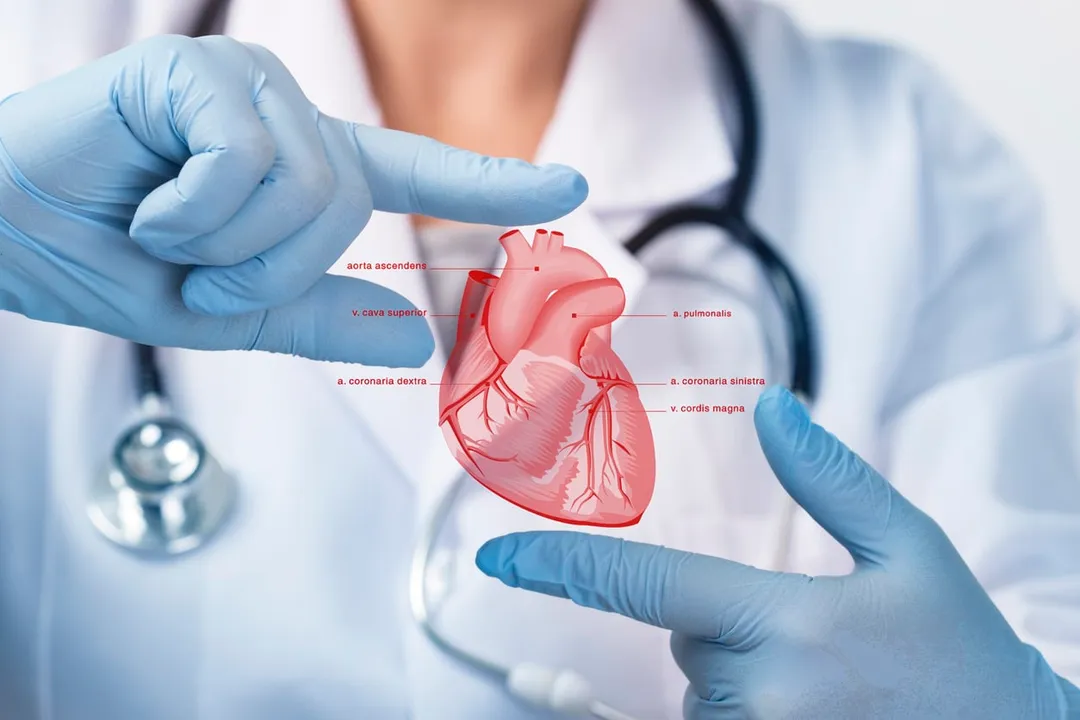
Cardiology, the medical specialty dedicated to the heart and its diseases, encompasses a vast spectrum of care, ranging from preventative health advice to complex surgical interventions. For many patients, understanding the different lanes within this field can seem confusing, as the titles—Non-Invasive, Invasive, and Interventional—describe how a doctor approaches diagnosis and treatment rather than strictly what condition they treat. While specialized roles like heart failure or electrophysiology exist, the primary functional division often boils down to these three categories based on the tools and techniques employed. [1][5][9] Knowing where you fit within this structure can clarify your treatment pathway and help you understand the expertise your physician brings to the table. [2][3]
# Non-Invasive Care

Non-invasive cardiology focuses entirely on diagnosing heart conditions without physically entering the patient’s body through incisions or inserting instruments into blood vessels or organs. [1][5][10] This foundational area is critical because it establishes the baseline understanding of heart health and identifies the presence and severity of issues before more aggressive testing is warranted. [6][10] These specialists rely on external monitoring and imaging technologies to map the heart’s electrical activity, structure, and function. [1]
# Diagnostic Tools
The non-invasive cardiologist employs a wide array of sophisticated tools to peer into the heart’s mechanics. One of the most fundamental tests is the electrocardiogram (ECG or EKG), which records the electrical signals that cause the heart to beat, helping to detect irregularities in rhythm or signs of past or current damage. [6][10] Another cornerstone is echocardiography, an ultrasound of the heart that provides moving images of the heart muscle, valves, and chambers, assessing blood flow and pumping action. [1][6]
Beyond these, more advanced, yet still non-invasive, tests are common. A stress test requires the patient to exercise while being monitored, often via EKG, to see how the heart responds to physical demand, sometimes involving imaging like an echocardiogram or nuclear scan performed during peak exertion. [1][10] Other tools include cardiac CT scans and cardiac MRIs, which provide highly detailed anatomical pictures of the heart structure and blood vessels without requiring a catheter insertion. [5][6] Even long-term monitoring, like a Holter monitor worn for 24 to 48 hours to catch intermittent arrhythmias, falls squarely under the non-invasive umbrella. [6]
The expertise here lies in interpretation. A non-invasive specialist must possess deep knowledge of physiology and imaging science to translate complex data—wavy lines, grayscale ultrasound images, or functional maps—into a precise diagnosis that guides subsequent care, whether it be medication management or a referral to an interventional colleague. [1][2]
# General Invasive Focus

The term "Invasive Cardiology" can sometimes be used broadly to cover both diagnostic procedures and therapeutic interventions, but in a more segmented view, it often refers to the diagnostic phase performed via cardiac catheterization. [6][8] This is where the line between non-invasive and the more specialized interventional branch begins to blur, as general invasive cardiologists perform procedures that require accessing the vascular system but are primarily for diagnosis, not immediate repair. [1][10]
# Catheterization’s Role
The key procedure here is the diagnostic cardiac catheterization. In this procedure, a thin, flexible tube—the catheter—is inserted, usually through an artery in the wrist or groin, and carefully guided up to the heart chambers or coronary arteries. [6][10] While the placement of the catheter is invasive, the immediate purpose is often diagnostic: taking pressure readings from different parts of the heart or injecting contrast dye to visualize blockages using X-rays (angiography). [1][5][6]
The difference between a general invasive cardiologist performing a diagnostic angiogram and an interventional cardiologist treating a blockage during the same session is crucial for defining the roles. [8] The general invasive cardiologist’s primary goal during that time may be simply to confirm the severity and location of blockages, gathering the necessary data to recommend the best long-term management plan, which might include medication or potentially bypass surgery. [10] In some settings, a physician trained in general cardiology may perform these diagnostic procedures, whereas in others, this role is exclusively handled by those with additional fellowship training in the interventional techniques. [2][3]
It’s helpful for patients to think of this stage as the "look-see" phase done via a catheter. If significant blockages are found, the procedure may stop there, and the patient returns later for a dedicated intervention, or, depending on the physician’s subspecialty certification, the intervention may proceed immediately. [8][10]

# Interventional Treatment
Interventional cardiology is a highly specialized subspecialty of cardiology that takes the invasive access established during a catheterization and uses it to repair or revascularize the heart or its vessels immediately. [1][5][10] These physicians have completed additional fellowship training specifically focused on these advanced, minimally invasive techniques. [8] They are essentially performing complex plumbing and structural repairs from inside the arteries. [5]
# Repair Procedures
The most well-known interventional procedures are angioplasty and stenting. [1][10] When a diagnostic angiogram reveals a significant blockage in a coronary artery, the interventional cardiologist threads a wire past the blockage, inflates a tiny balloon (angioplasty) to open the narrowed segment, and then usually deploys a small mesh tube called a stent to keep the artery propped open. [1][5] This can be done immediately, turning a diagnostic test into a life-saving treatment session. [8]
Beyond the coronary arteries, interventional cardiologists address structural issues. They can perform TAVR (Transcatheter Aortic Valve Replacement), replacing a diseased aortic valve without open-heart surgery, or close certain types of congenital defects. [9] They also manage conditions like pulmonary vein stenosis or perform catheter-based procedures to address certain types of atrial septal defects (ASDs). [5] The defining characteristic is the use of catheters to actively treat a structural or circulatory problem, minimizing the trauma associated with traditional open surgery. [10]
# Specialized Subfields
While the three primary divisions—Non-Invasive, Invasive/Diagnostic, and Interventional—describe the method of care delivery, modern cardiology is also organized by condition or system. These specialized cardiologists often overlap with the three primary procedural groups, as they might rely on non-invasive tests, perform diagnostic catheters, or work alongside interventional teams. [2][9]
# Electrical Mapping
Clinical Cardiac Electrophysiology (EP) is a dedicated subspecialty focused exclusively on the heart’s electrical system. [9] While an EP doctor uses EKG for baseline assessment (non-invasive), their primary work involves highly technical, invasive procedures. [6] They map out the electrical circuits of the heart to pinpoint the source of arrhythmias. [9] Treatment often involves implanting devices like pacemakers or defibrillators, or performing ablation, which uses heat or cold energy delivered via a catheter to scar the tiny area of tissue causing an abnormal rhythm. [9] Electrophysiology is thus a unique intersection, being technically invasive/interventional but focused on rhythm rather than coronary blockages or valves. [9]
# Heart Muscle Care
Another vital specialization is Heart Failure and Transplant Cardiology. These experts manage patients with advanced stages of heart failure, where the heart muscle itself has weakened to the point where it cannot pump enough blood to meet the body's needs. [2][9] Their work heavily involves non-invasive monitoring and optimization of complex medication regimens. [6] When medications are no longer sufficient, they may implant mechanical circulatory support devices, such as Left Ventricular Assist Devices (LVADs), which bridge patients to transplant or serve as long-term solutions. [9]
# Congenital Heart Disease
A third distinct group addresses Adult Congenital Heart Disease (ACHD). [9] These are individuals born with structural heart defects who have survived into adulthood, often requiring lifelong specialized care. While some defects are treated in childhood through surgery or catheter intervention, adults may require follow-up diagnostics or new procedures, often performed by ACHD specialists working with interventional teams. [9]
| Care Category | Primary Goal | Key Diagnostic Method | Key Interventional Examples |
|---|---|---|---|
| Non-Invasive | Diagnosis, Risk Assessment | Echocardiography, Stress Tests, EKG | None (Stays external) |
| Invasive (Diagnostic) | Detailed Anatomical Confirmation | Cardiac Catheterization, Angiography | Pressure measurements, dye injection |
| Interventional | Treatment, Repair | Depends on necessity; immediate follow-up to diagnostics | Stenting, Angioplasty, TAVR |
| Electrophysiology (EP) | Rhythm Correction | ECG, Electrophysiology Study (EPS) | Ablation, Pacemaker/ICD Implantation |
| Heart Failure | Muscle Function Optimization | Advanced Imaging, Advanced Medication Titration | LVAD Implantation |

# Delineating the Roles in Patient Experience
For a typical patient presenting with chest discomfort, the pathway through these specialties illustrates the differences in approach. If the initial concern is low risk, the journey starts with the Non-Invasive specialist. They might conduct an exercise stress test and an echocardiogram. If these tests show a concerning pattern—perhaps stress causes EKG changes or the echo reveals diminished function under strain—the next logical step is often referral to an Invasive/Interventional team. [6][10]
The patient then undergoes a diagnostic catheterization. If the physician finds a single, clean blockage that is amenable to simple opening, the Interventional Cardiologist may proceed right then to place a stent. However, if the diagnostic angiogram reveals very complex, multi-vessel disease requiring extensive repair, or if the patient has severe valve disease, the invasive cardiologist might opt not to intervene immediately. [8] Instead, they stabilize the patient and refer them for a thorough evaluation, perhaps consulting with a Cardiothoracic Surgeon to discuss whether open-heart bypass surgery would offer a better long-term outcome than stenting. [2] This decision hinges on the specialist’s expertise in weighing immediate repair against comprehensive long-term management. [1]
A crucial element to appreciate is the difference in training focus. A general cardiologist who completes a non-invasive fellowship becomes exceptionally skilled at interpreting sophisticated imaging (like MRI/CT) and managing chronic conditions medically. In contrast, the interventional specialist trains for years specifically on catheter manipulation, fluoroscopy safety, and the acute management of complications that arise during vessel entry and repair. [8] It’s less about which is better and more about which is appropriate for the specific mechanical or electrical problem at hand. Thinking about it this way: if the issue is a plumbing blockage, you need interventional; if the issue is the blueprint itself (genetics, chamber size), you start non-invasive; if the issue is the wiring, you need EP. [9]
To further personalize this, consider the age of the patient. A 30-year-old presenting with palpitations from an extra electrical circuit is a clear case for an EP specialist, bypassing the general interventional track entirely for their primary complaint. [9] Conversely, an 80-year-old with severe aortic stenosis is a prime candidate for a TAVR procedure led by an interventionalist, minimizing the physical toll of open surgery. [5] General cardiology, meanwhile, remains the essential hub, managing the patient’s blood pressure, cholesterol, and diabetes—the risk factors that often lead to the need for the other specialists in the first place. [3] The initial management by a general or non-invasive cardiologist is often what prevents the need for acute intervention later on.
If we were to map out the typical time commitment differences, we could observe a pattern reflecting the intensity of procedures. A Non-Invasive specialist might spend 70% of their time in clinic reviewing tests and consulting, with 30% dedicated to outpatient imaging interpretation. An Interventional Cardiologist might spend only 20% of their time in the clinic, dedicating the remaining 80% to being "in the lab," performing procedures that can last several hours each day. [2] This procedural intensity shapes their day-to-day experience and clinical focus. For patients, this means scheduling with an interventionalist might involve longer waits for elective procedures but immediate availability for emergencies like acute heart attacks.
It is important to recognize that while these categories provide clarity, the field encourages collaboration. The best patient outcomes frequently result when a non-invasive cardiologist identifies a problem, refers to the appropriate interventionist for repair, and then resumes long-term medical management, sometimes alongside a heart failure specialist for ongoing optimization. [3][4] The three procedural types—non-invasive, invasive diagnostic, and interventional—are best viewed as sequential steps on a diagnostic and therapeutic ladder, designed to offer the least intrusive solution first, escalating only as required by the severity of the condition.
Related Questions
#Citations
What are Invasive, Non-Invasive, and Interventional Cardiology?
Types of Cardiologists: Which Specialist Do You Need?
Understanding the Different Types of Cardiologists - Trinity Medical
Clinical Cardiology: Treatments, Conditions & Physicians
Cardiology Types: What Treatment Entails | The Well by Northwell
Differences Between Invasive and Noninvasive Cardiology
Cardiology and Cardiologist
How to Identify a Cardiologist vs. Interventional Cardiologist
What Kind of Heart Specialist Do You Need? | News - Yale Medicine
Non-Invasive vs Invasive Cardiology: What's The Difference? | Orlando