Which procedural approach requires harvesting patient cells, modifying them in a lab, and then reinfusing them?
Answer
Ex vivo therapy
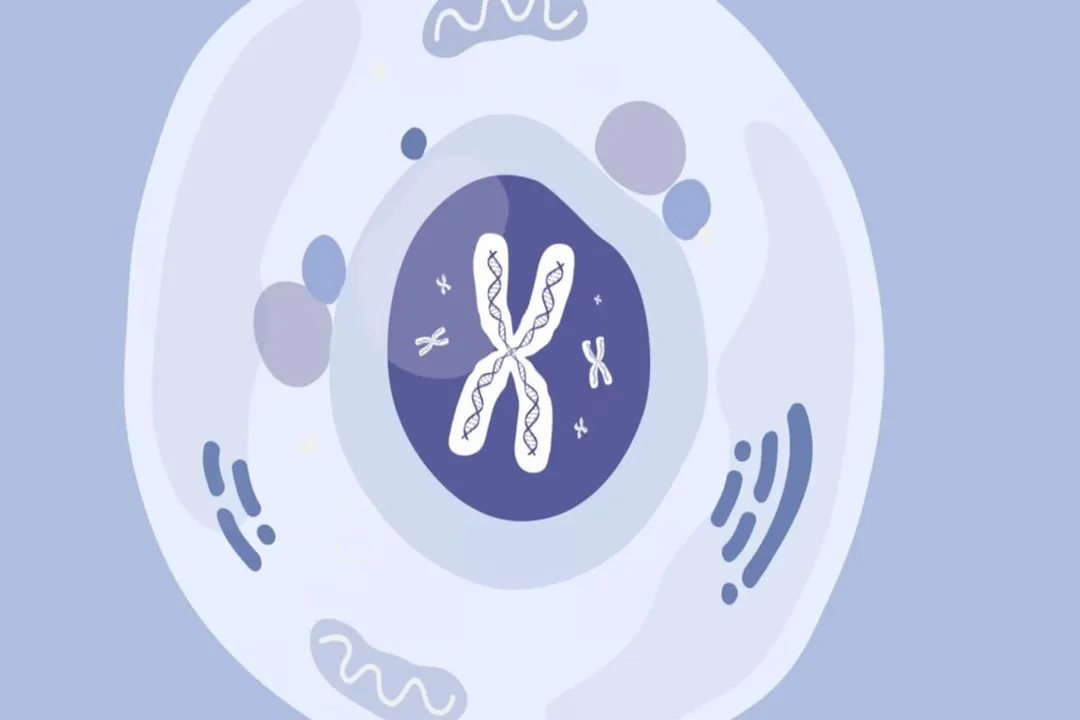
Ex vivo gene therapy is defined by its multi-step process occurring largely outside of the living patient. This method begins with cell collection, often involving drawing stem cells or immune cells from the patient’s body. These harvested cells are then taken to a highly controlled laboratory environment where they are mixed with the therapeutic vector, allowing the genetic modification to occur outside the body. Following successful modification and expansion to create a sufficient therapeutic dose, these corrected cells are subsequently infused back into the patient. This contrasts sharply with in vivo therapy where the administration and subsequent action happen entirely within the body.
Related Questions
What is the purpose of removing harmful genes when creating a viral vector?Which procedural approach requires harvesting patient cells, modifying them in a lab, and then reinfusing them?How do Lentiviruses differ from Adeno-associated viruses (AAVs) in their integration behavior?What is the fundamental difference between gene therapy and traditional medicine treatments?What technique is utilized in non-viral gene therapy to temporarily open pores in the cell membrane?What is one of the high-stakes safety concerns associated with integrating vectors used in gene therapy?Why is simply injecting naked DNA fragments usually considered ineffective for gene therapy?In cancer treatment, how is the third major strategy of gene therapy utilized to combat malignancy?What preparatory measure is often implemented before reinfusing corrected cells during *ex vivo* gene therapy?Which specific application utilizes *in vivo* therapy via direct injection into the eye to restore function?