How much does exoskeleton therapy cost?
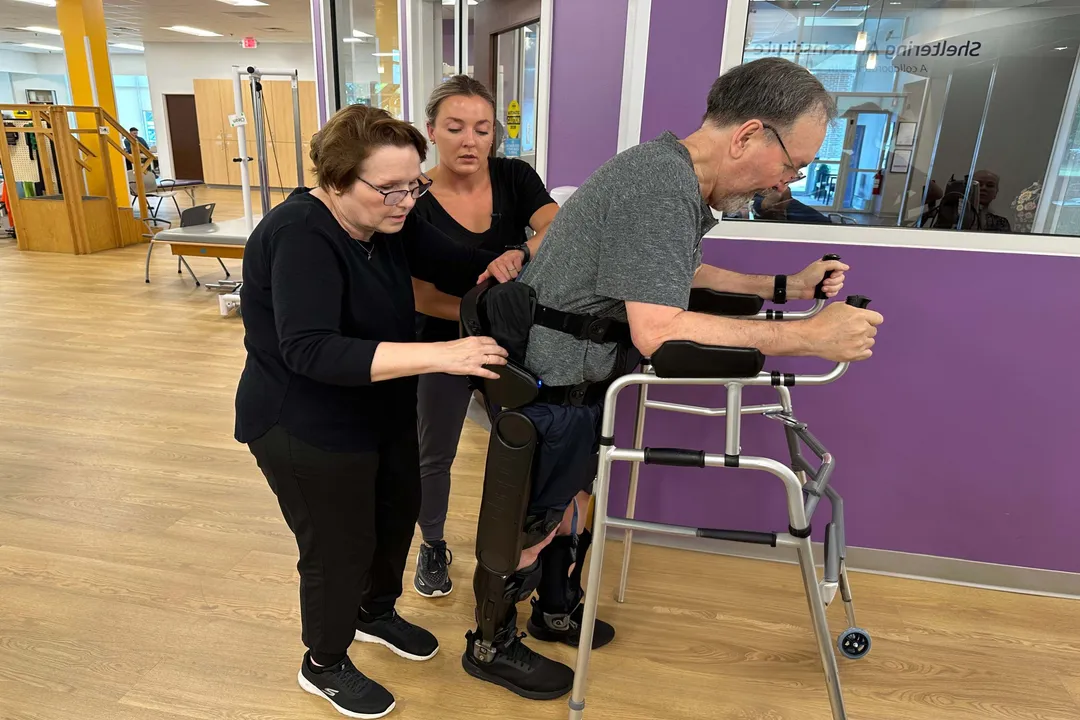
Figuring out the price tag attached to exoskeleton therapy is rarely a straightforward calculation; it depends entirely on whether you are looking at the cost of an ongoing clinical rehabilitation program, the expense of purchasing a personal device for home use, or the complex pathway to getting that device covered by insurance. The investment required spans from relatively minor costs for simple supportive braces to significant sums comparable to a new vehicle for advanced robotic systems designed to restore walking function after paralysis.
# Cost Spectrum
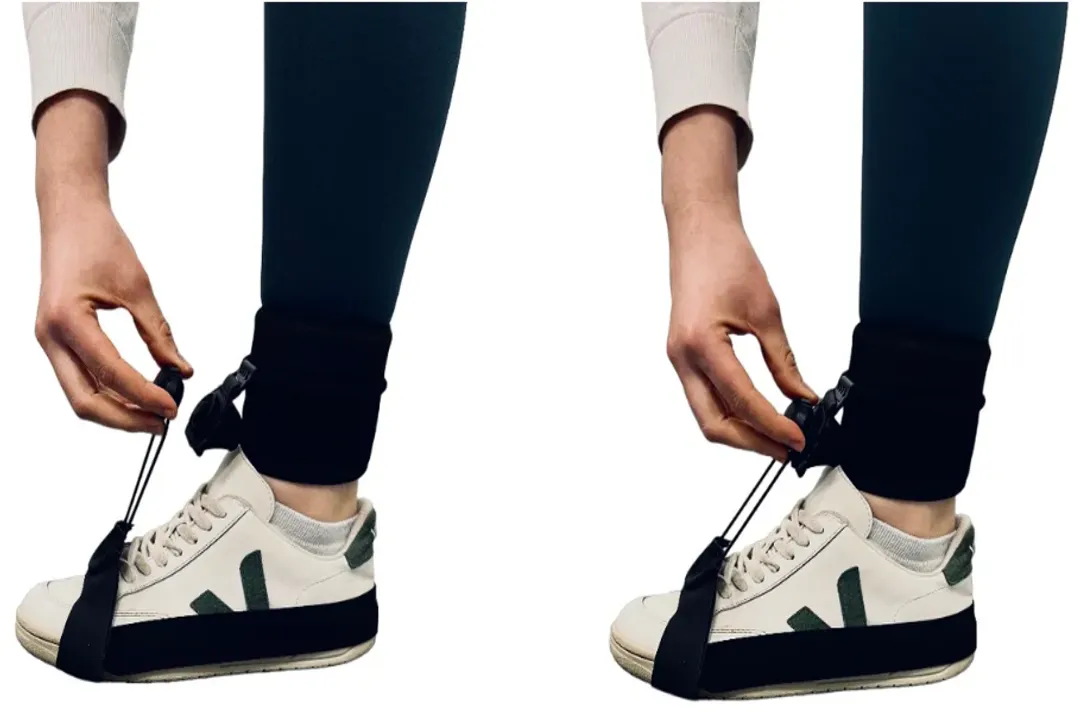
The market for exoskeletons presents a wide array of options, which naturally results in a broad cost spectrum. On the lower end, one might find simpler assistive devices, such as an ankle-foot orthosis, which may be available for a few thousand dollars or less from various online retailers. However, when the discussion shifts to powered, full-body robotic exoskeletons intended for individuals with spinal cord injuries (SCI) or stroke recovery, the prices jump substantially. A well-known personal model, the ReWalk, represents this higher tier. In earlier years, reports indicated that these complex robotic systems could cost around $40,000. This initial purchase price covers the hardware, but it is only one piece of the overall financial puzzle.
# Device Purchase Price
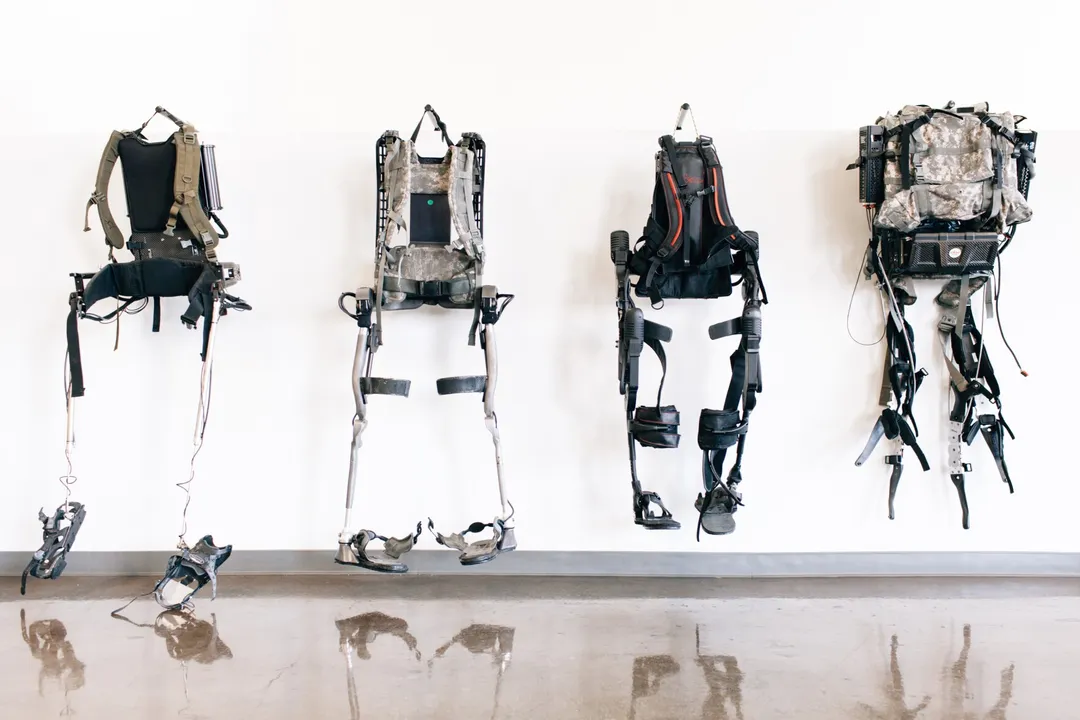
For individuals seeking the freedom of a personal exoskeleton for use outside of a specialized clinic, the upfront cost is the most visible barrier. Systems like the ReWalk personal exoskeleton are high-tech medical devices that require engineering and regulatory oversight, which contributes to their high sticker price. The $40,000 figure cited historically gives a benchmark for a full, motorized system designed to allow an individual with paralysis to stand and walk. It is important to differentiate these medical-grade devices from simpler, passive supports. A passive device offers mechanical support without active motors or complex control systems, making it inherently less expensive but also significantly less capable in terms of restoring gait mechanics. The cost is a direct reflection of the technology—the sophisticated actuators, battery systems, and computerized balance controls required for safe, repetitive bipedal motion.

# Therapy Duration
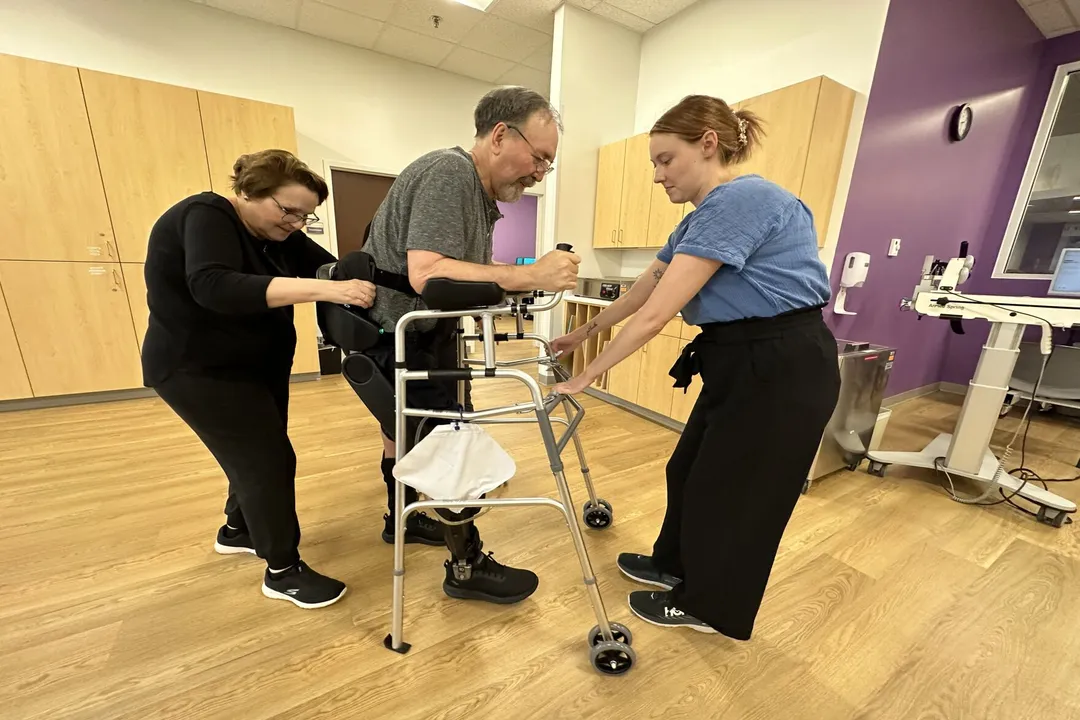
Beyond the hardware, the cost of therapy sessions forms another major component of the financial equation. Even after purchasing a personal device, most manufacturers mandate extensive training before the user is cleared to operate the exoskeleton independently outside a clinical setting. This training is crucial not just for mastering the machine but for ensuring user safety and long-term physical health. If a patient requires 30 to 40 hours of supervised training to achieve proficiency with their new device, and standard outpatient physical or occupational therapy rates hover in the range of \150 to \300 per hour, the initial setup cost can easily climb by an additional \4,500 to \12,000 just for the prerequisite instruction. This mandatory initial training cost, which is often overlooked when focusing only on the device price, represents a substantial, non-negotiable expense before the technology can even be utilized at home.
# Insurance Factors
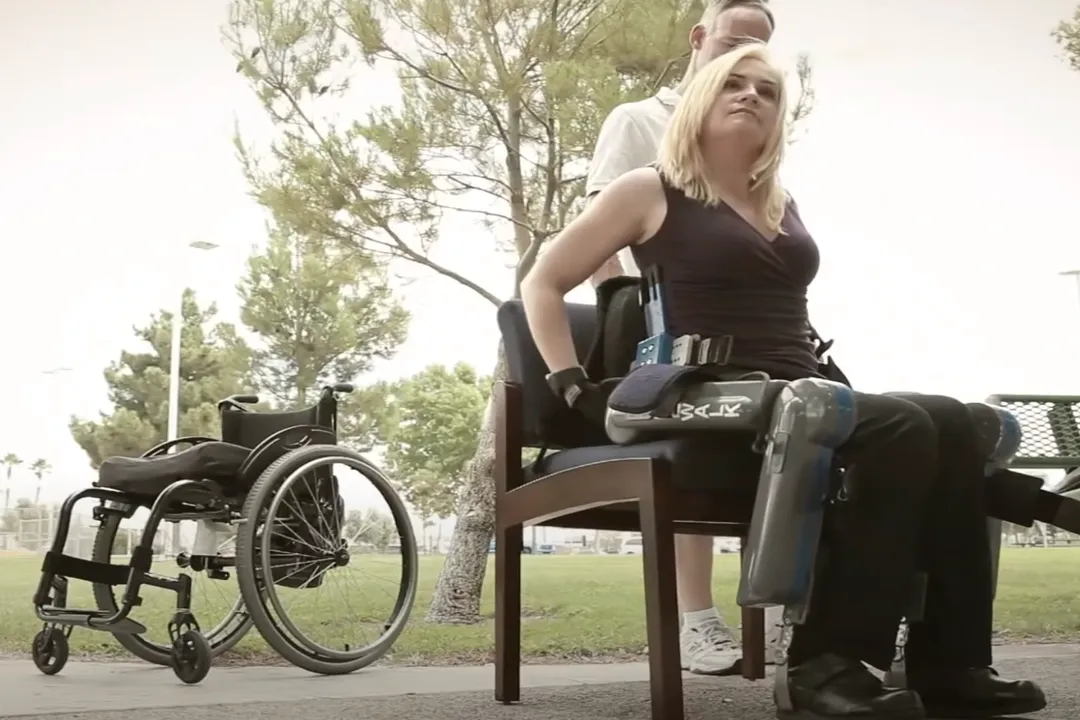
The most significant variable in whether an individual can manage the cost is insurance reimbursement, particularly Medicare. The pathway to coverage for these high-cost devices is complex, but progress is being made. For instance, in late 2024, one individual became the first person on the East Coast to apply for Medicare personal device coverage for their robotic exoskeleton after completing their necessary training. This development signals a shift from viewing these devices purely as expensive clinical tools to recognizing them as durable medical equipment necessary for personal mobility. Successfully navigating insurance, whether private or government-based, can transform the cost from an impossible five-figure burden into a manageable co-pay structure, though the criteria for qualification—such as diagnosis, functional status, and the necessity of the device for basic activities—must be strictly met.

# Price Variables
Several factors dictate the final cost of an exoskeleton system. One major differentiator is the level of support required. A device focused solely on helping with ankle mobility, like the Moveo ExoAnkle, will carry a far lower price than a full-body system that supports the hips, knees, and ankles for upright locomotion. Customization plays a large role, too. Patients vary significantly in height, weight, and specific injury profiles, requiring adjustable components, different battery capacities, or specialized fitting procedures that drive up the final price tag. Furthermore, one must budget for long-term ownership. Exoskeletons contain complex electronics and moving parts; therefore, ongoing maintenance, software updates, and potential part replacement costs need to be factored into the long-term financial plan, much like owning a specialized vehicle. A clinical setting often bundles this maintenance into the session fee, but for personal owners, these expenses are separate liabilities.
# Total Investment
When assessing the total cost of using an exoskeleton for walking, it is essential to compare the purchase path versus the continuous clinical path. If a patient only requires the technology for intensive rehabilitation following a major event, the cost is tied to the number of therapy hours and the facility's fee schedule for using their in-house equipment, which might total tens of thousands of dollars over a few months. Conversely, purchasing the device outright, even with the upfront cost of training included, can become more economical over several years if insurance coverage is not secured or if the individual requires continuous, long-term use for daily life. For example, if a patient needs 150 total hours of machine use over three years, the accumulated cost of renting time on a clinical machine might eventually exceed the cost of owning the device, assuming a lifespan of five to seven years for the personal unit. Understanding this break-even point requires a frank discussion with rehabilitation specialists and financial planners about long-term mobility goals.
Related Questions
#Citations
Medicare Covers Personal Robotic Exoskeletons
Medicare begins covering cost of robotic exoskeletons - VPM.org
ReWalk 7 Personal Exoskeleton for Spinal Cord Injury - Lifeward
Exoskeleton for Walking - Therapy Achievements
Moveo ExoAnkle | Exoskeleton For Walking
This $40000 Robotic Exoskeleton Lets the Paralyzed Walk
[PDF] ReWalk: Robotic Exoskeletons for Spinal Cord Injury
Cost-effectiveness analysis of robotic exoskeleton versus ...
Exoskeleton For Walking - Amazon.com