Which country is best for stem cell therapy for autism?

Navigating the global landscape for specialized medical treatments, such as stem cell therapy for Autism Spectrum Disorder (ASD), often leads families to question which geographical location offers the best balance of quality, safety, and efficacy. Stem cell therapy for autism is an evolving area, and while some established medical bodies remain cautious, numerous clinics worldwide offer these protocols, prompting a search for the best country for this pursuit. [4][7] The concept of "best" is inherently subjective, depending on individual financial situations, the child’s specific needs, and comfort levels with different regulatory environments. [3]
# Global Options
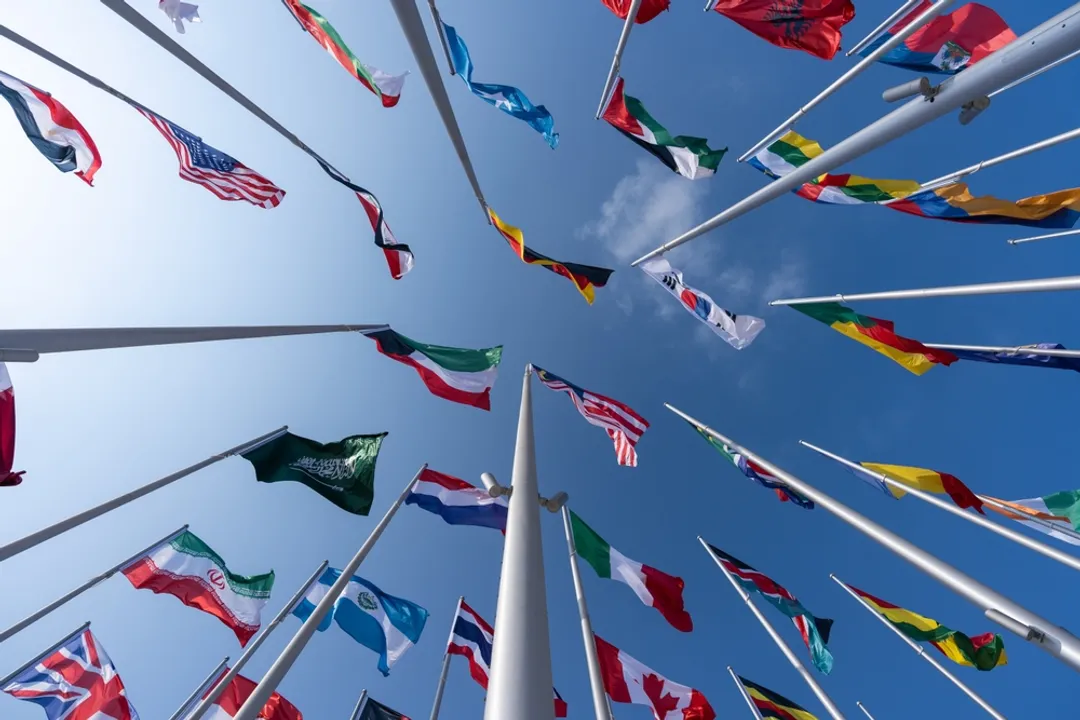
The search for cutting-edge or specialized therapies often leads families to destinations known for medical tourism, where access to treatments not yet widely adopted in their home country might be available. [3] Several nations frequently appear in discussions about stem cell treatment for autism, each presenting a different profile regarding regulation, cost, and specific treatment approaches. [2][9]
One frequently mentioned region involves clinics in locations that have actively promoted themselves in the medical tourism sector. For instance, certain centers in Latin America, such as those in Panama, have been highlighted for their work in this field, with specific institutions like the Panama Stem Cell Institute offering therapies for ASD. [6] Similarly, other international centers market their specialized protocols, often drawing attention through online platforms dedicated to treatment accessibility. [1][2]
In contrast, certain European countries are recognized for their adherence to rigorous medical standards, which can be a major draw for parents prioritizing established oversight. Germany, for example, is cited as a location offering stem cell therapy protocols specifically tailored for autism. [5][10] The presence of clinics in a country with a strong, long-standing reputation for high medical quality suggests a different level of operational scrutiny compared to regions focused heavily on medical tourism models. [5][10]
When comparing these varied international options, one significant point of difference that emerges is the regulatory context surrounding the actual cell source and processing. [3] While some clinics might emphasize proprietary methods or the source of their cells—perhaps cord blood or bone marrow-derived mesenchymal stem cells (MSCs)—the oversight applied to these processes can vary dramatically from one country to the next. [4][6] A family must weigh the potential benefit of a novel protocol against the established safety track record of the country's overall healthcare system. [3]
# German Rigor

Germany stands out as a destination for families seeking stem cell therapy for autism due to its position within the robust European medical framework. [5][10] Providers in Germany offering this treatment often highlight their adherence to high-quality standards, which can instill confidence in prospective patients. [5]
Protocols available in German clinics for ASD may involve varying approaches, sometimes focusing on the administration of mesenchymal stem cells (MSCs) to potentially mitigate inflammation or promote neural repair within the central nervous system. [10] The structure of healthcare delivery in Germany, known for its precision and regulated environment, suggests that any therapy offered, including novel ones like stem cell treatment for autism, operates under significant national scrutiny. [5] Clinics promoting their services in this region often list detailed program structures, including necessary preparatory steps and follow-up care, which speaks to a more integrated approach to patient management. [5]
It is worth noting that while Germany is recognized for its structured medical environment, the specific regulatory status of stem cell therapy for autism within the country’s national health insurance or standard approval pathways might differ from its application in other established medical fields. [10] Understanding this nuance—the difference between a highly regulated country offering a treatment versus that treatment being a standard, approved protocol—is critical for managing expectations. [5]

# Panama Focus
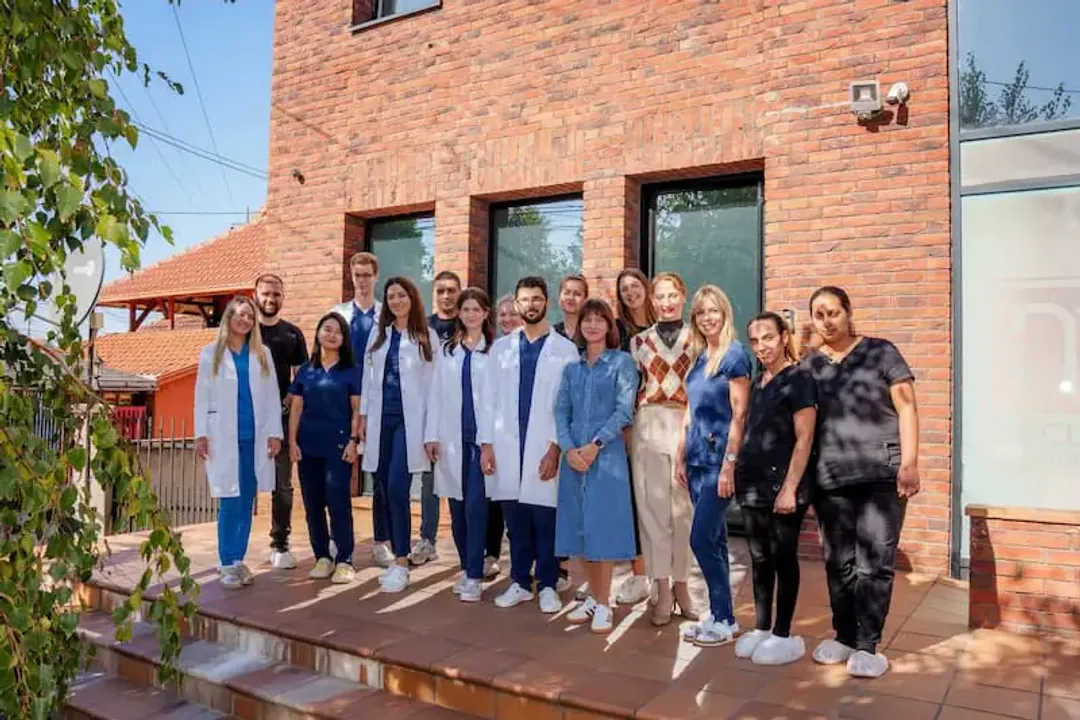
Panama represents another distinct choice in the global search for autism stem cell therapies, often associated with specific, well-marketed institutions. [6] The Panama Stem Cell Institute, for example, is frequently mentioned in discussions regarding ASD treatment options available outside of traditional Western markets. [6]
Clinics operating in Panama often utilize allogeneic or autologous cells, sometimes focusing on umbilical cord-derived MSCs, and they frequently publish materials detailing their specific protocols for parents researching treatments. [6] For families considering Panama, the appeal often lies in accessibility and the availability of established international treatment packages, which can simplify the logistics of traveling for care. [6]
However, when evaluating Panama against European options like Germany, the divergence in regulatory oversight becomes a crucial consideration. While the specific clinic may maintain high internal standards, the overarching national regulatory environment for cutting-edge therapies may operate under different frameworks than those in the EU. [3] This distinction requires parents to conduct deep due diligence on the clinic's independent accreditation and the licensing of its medical personnel, as opposed to relying solely on the general national reputation for healthcare quality. [2]
# Clinic Comparison Factors

When a family moves past which country to which clinic, several universal factors come into sharp focus, regardless of location. [1][2] These factors ultimately determine the perceived "best" provider for an individual case.
One primary differentiator is the type of stem cells used. Are they autologous (from the patient) or allogeneic (from a donor, often cord blood)? What is the source—bone marrow, adipose tissue, or umbilical cord tissue? The type of cell and its processing method directly influence the treatment protocol and are central to what a clinic offers. [4][6]
Another key element is the proposed mechanism of action. Some therapies claim to rebuild damaged tissue, while others aim to modulate the immune system or reduce neuroinflammation. [4][7] Understanding the scientific rationale presented by the clinic is paramount, especially since research in this area is rapidly evolving. [7]
Consider this practical checkpoint: Before committing to any high-travel, high-cost program, parents should create a simple matrix comparing the travel burden against the claimed cell source. For instance, if Clinic A in Country X (high travel/logistics) claims to use minimally processed autologous bone marrow cells, but Clinic B in Country Y (moderate travel/logistics) uses advanced, expanded, allogeneic MSCs with extensive preclinical data, the added stress of traveling to Country X must be justified by a truly superior or unique clinical approach, not just proximity or price. [3]

# Investigating Provider Credentials
Trust in the providers is arguably the single most important component of choosing a destination. [3] Sources that list top providers globally emphasize that accreditation and the experience of the medical team supersede geography alone. [2]
This means looking closely at:
- Physician Background: Where did the lead physicians train? What is their specific publication record related to ASD or regenerative medicine?[2]
- Cell Processing Facility: Is the lab Good Manufacturing Practice (GMP) compliant, or certified by a recognized international body? This verifies the sterility and quality control of the actual therapeutic product. [1]
- Transparency of Outcomes: Do they provide aggregated, anonymized data on patient outcomes, or do they rely solely on anecdotal testimonials? A commitment to data sharing, even if it shows mixed results, often signifies a more ethical practice. [1]
In many medical tourism hotspots, clinics must actively market their adherence to international standards because the national oversight might be less visible than in countries like Germany. [3] Conversely, a German clinic might rely more heavily on the country's established reputation for quality assurance, but one must still verify the specific stem cell licensing compliance. [5][10]
# The Role of Regulation and Ethics
The availability of stem cell therapy for autism globally reflects a tension between scientific promise and regulatory caution. In many countries, including the United States, regulations surrounding unapproved cell therapies are very strict, which drives the search for treatment abroad. [3]
When a country becomes known as a destination for medical tourism in this niche, it suggests that the local regulatory environment is more permissive concerning experimental or unproven applications of cell therapies compared to highly restrictive jurisdictions. [3][9] While this openness facilitates access, it simultaneously places a higher burden of responsibility on the traveling family to verify safety and scientific merit. [9]
From an ethical standpoint, it is helpful to consider the longevity of the clinic's operation. A center that has been consistently offering a specific autism protocol for several years, navigating the changing scientific landscape and accumulating patient data, often demonstrates a more established commitment than a newer clinic that appears suddenly on international listings. [1][2]
# Cost and Logistics Considerations
The financial commitment associated with stem cell therapy for autism is substantial, often involving not just the procedure itself but also travel, accommodation, and post-treatment care, which must often be managed locally after returning home. [1] Costs can vary widely. For example, a program listed in one international directory might range significantly depending on the cell dose, the need for inpatient versus outpatient care, and the duration of the treatment plan offered by the specific clinic in that country. [1][2]
Logistically, the choice of country impacts recovery. A destination like Germany, with excellent infrastructure and potentially better English-language support in high-end facilities, might simplify post-procedure logistics compared to a clinic in a region where language barriers or less developed support networks present hurdles for long-term follow-up. [5]
Ultimately, the "best" country for a family seeking stem cell therapy for autism is the one where the identified treatment protocol aligns most closely with their child’s specific medical profile, where the provider demonstrates transparent, expert-led care, and where the regulatory environment, while perhaps permissive enough to allow access, is coupled with high internal quality standards that meet the family's necessary level of trust. [3][9] The decision is less about a single nation’s general reputation and more about the verifiable credentials of the specific facility within that nation. [2]
Related Questions
#Citations
TOP 10+ Stem cell therapy for autism Clinics 2024 ... - Bookimed
Best Providers in the World for Stem Cell | Autism - Better by MTA
Stem Cell Tourism: Cheapest Stem Cell Therapy in The World
Treating Autism With Stem Cell Therapy
Stem Cell Therapy for Autism in Germany - Booking Health
Stem Cell Therapy for Autism at the Panama Stem Cell Institute
Stem Cell Therapy For Autism in Tijuana Mexico | ProgenCell
Stem Cell Therapy for Autism: New Research
What Are the Best Countries to Get Stem Cell Therapy?
Clinics 4 Promising Autism Treatment with Stem Cells