How does Jean therapy work?
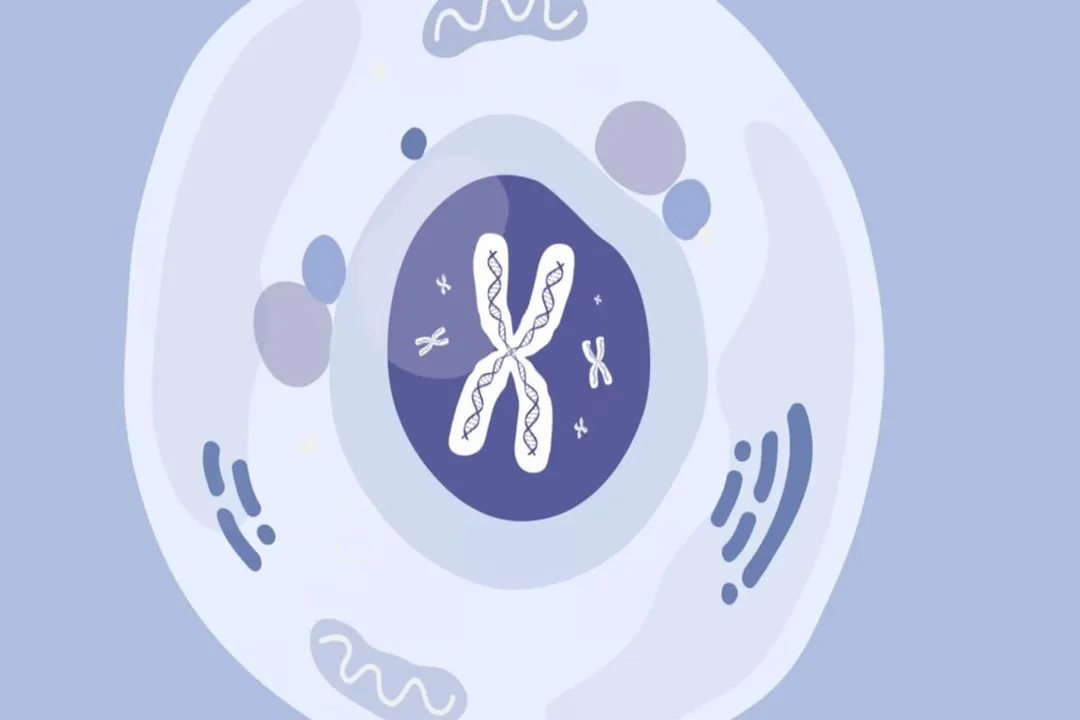
Gene therapy represents a sophisticated shift in medicine, moving away from treating symptoms to addressing the underlying genetic instructions that cause disease. Fundamentally, it involves using DNA or RNA to alter a person's genetic makeup to treat, prevent, or cure a medical condition. This approach targets the root cause—a malfunctioning or missing gene—rather than simply managing the resulting illness.
# Core Goals
The precise objective of gene therapy depends entirely on the specific ailment being addressed. Researchers generally aim for one of three main outcomes when introducing new genetic material into a patient’s cells.
The first goal is often to replace a harmful gene that is causing a disease with a healthy copy of that gene. This is particularly relevant for diseases caused by a single defective gene, such as some forms of cystic fibrosis or hemophilia.
A second possibility is to inactivate or "turn off" a harmful gene. If a gene is producing a toxic protein or is overactive and causing problems, therapy might be designed to silence its expression entirely.
The third major strategy involves introducing a new gene into the body to help the body fight a disease. For instance, in cancer treatment, immune cells might be modified to better recognize and destroy tumor cells, effectively giving the immune system new instructions to combat the malignancy.
# Mechanism Overview
For any of these goals to be achieved, the therapeutic genetic material—the corrective DNA—must reach the nucleus of the target cell population. Simply injecting DNA into the bloodstream is usually ineffective, as cells need a way to take up the new instructions and integrate them or use them to produce the correct protein. This delivery challenge is one of the most critical hurdles in the field, and it dictates the complexity of the procedure.
# Delivery Vehicles

Because naked DNA fragments rarely enter cells effectively on their own, scientists rely on specialized delivery systems called vectors. Vectors are essentially the molecular mail carriers designed to shepherd the therapeutic payload into the patient’s cells.
# Viral Vectors
Historically and most commonly, scientists modify viruses to serve as vectors. Viruses are naturally adept at entering cells and inserting their own genetic material, a process that scientists exploit and redirect.
Key steps in creating a viral vector include:
- Removing Harmful Genes: The virus’s natural, disease-causing genes are removed entirely. This ensures the vector can replicate safely without causing infection.
- Inserting Therapeutic Genes: The corrective or therapeutic gene is inserted into the now-empty viral shell.
- Replication and Purification: The modified viruses are allowed to multiply in a lab setting, and then large quantities of these functional, non-pathogenic vectors are harvested and purified for patient use.
Different types of viruses are used depending on the target tissue. For example, adeno-associated viruses (AAVs) are popular because they generally do not integrate into the host cell’s main chromosome, providing a safer profile, although the effect might not be permanent. Lentiviruses, on the other hand, are often used when permanent alteration of the cell’s DNA is desired, as they integrate the therapeutic gene directly into the host genome.
# Non-Viral Methods
While viral vectors are powerful, some researchers explore non-viral methods to bypass potential issues like immune responses to the viral shell or the risk of unintended viral activity. These methods might include:
- Liposomes: Tiny fat bubbles that encapsulate the DNA, which can then fuse with the cell membrane to release the payload.
- Physical Methods: Such as electroporation (using electrical pulses to temporarily open pores in the cell membrane) or gene guns (which literally shoot DNA-coated particles into cells).
The choice of vector is significant; it influences how efficiently the gene gets to the right cell type, how long the effect lasts, and the potential for side effects.
# Procedural Approaches
Gene therapy procedures are generally categorized based on where the genetic modification takes place: inside the body (in vivo) or outside the body (ex vivo). Understanding this distinction helps clarify the practical steps involved for a patient.
# In Vivo Therapy
In vivo gene therapy means the vector carrying the therapeutic gene is administered directly into the patient—usually intravenously or injected into a specific tissue or organ. The entire process happens inside the body. This is the simpler approach from a logistics standpoint, as it avoids complex laboratory handling of the patient’s cells.
When the vector is injected, it circulates until it finds the target cells (like liver cells or retinal cells) and delivers its genetic cargo. This method is often favored for tissues that are easily accessible, such as the eye or certain parts of the blood system.
# Ex Vivo Therapy
Ex vivo (meaning "out of the body") is a more complex, multi-step process, often necessary when the target cells are difficult to reach directly or when integration into the genome is required for lasting change.
This procedure typically involves the following sequence:
- Cell Collection: A sample of the patient's cells—often stem cells or immune cells—is drawn from the body, similar to a blood draw or bone marrow biopsy.
- Modification in Lab: In a highly controlled laboratory environment, these harvested cells are mixed with the viral vector. The vector successfully inserts the therapeutic gene into the DNA of these living cells.
- Expansion: The genetically modified cells are grown and multiplied in specialized bioreactors to ensure there is a sufficient dose for treatment.
- Reinfusion: The corrected cells are then infused back into the patient, often following a preparatory procedure like chemotherapy to make room in the patient's body for the new cells to settle and grow.
A simple comparison of the procedural complexity highlights the trade-offs between directness and control:
| Feature | In Vivo Therapy | Ex Vivo Therapy |
|---|---|---|
| Location of Action | Inside the patient’s body | Outside the patient’s body (in the lab) |
| Vector Delivery | Injected directly into tissue or circulation | Applied to harvested cells in culture |
| Control/Purity | Less control over which cells are targeted | High control; only modified cells are returned |
| Logistics | Simpler administration | Requires cell harvesting, lab culture, and reinfusion |
This ex vivo approach is the foundation for many advanced cell therapies, such as CAR T-cell therapy used in certain cancers, where the patient's own T-cells are engineered to become cancer fighters. Researchers must meticulously track the success rate of modification ex vivo because if too few cells are successfully corrected, the entire treatment may fail once they are returned to the patient. Thinking about patient logistics, ex vivo treatments often require the patient to be hospitalized for longer periods due to the cell culturing and reinfusion phases, an experiential detail often overlooked when discussing the molecular science.
# Therapeutic Applications
Gene therapy is being developed for a wide array of conditions, especially those with limited treatment options. It holds particular promise for single-gene disorders and certain cancers.
For example, inherited retinal diseases like Leber congenital amaurosis (LCA) have seen success with in vivo therapy where the vector is injected directly into the eye to restore the function of light-sensing cells. Similarly, some spinal muscular atrophy (SMA) treatments use a single IV infusion of a modified virus to deliver a functional gene copy to motor neurons.
In inherited blood disorders, like certain immune deficiencies or sickle cell disease, ex vivo modification of stem cells is often the path taken. By correcting the stem cells—the body's long-term source of blood—the hope is to achieve a functional cure that lasts the patient's lifetime.

# Safety and Oversight
Because gene therapy involves permanently altering cellular machinery, safety is paramount. The field is highly regulated, and clinical trials proceed under strict ethical and scientific review.
A primary concern revolves around the vector itself. Even when modified, the body’s immune system might recognize the viral casing as foreign and mount an attack, leading to inflammation or rendering the treatment ineffective. Another, though less common, risk, especially with integrating vectors, is the chance that the inserted gene lands near or within an existing critical gene, potentially disrupting normal cell function or even triggering cancer. While modern vector design minimizes these risks significantly, ongoing monitoring of treated patients remains a necessary part of long-term follow-up.
The fact that gene therapy aims for a potentially permanent, one-time correction is what makes it so appealing compared to chronic drug regimens that require daily compliance. However, this permanence also demands an exceptionally high bar for initial safety, as the effect is difficult, if not impossible, to reverse once administered. This contrast between the goal of chronicity and the challenge of irreversibility underscores the intense scrutiny these treatments undergo before they reach the public. Gene therapy, therefore, is less like taking a daily pill and more like performing an edit on the body's source code; the quality of that initial edit must be nearly flawless.
Related Questions
#Citations
How does gene therapy work?: MedlinePlus Genetics
What Is Gene Therapy? Pros, Cons & Examples - Cleveland Clinic
Gene therapy - Mayo Clinic
What is Gene Therapy? | ASGCT
Gene Therapy Simplified: What Is It and How Does It Work?
Gene Therapy - Boston Children's Hospital
Learn about Gene Therapy and How it Works
How does Gene Therapy Work | Types of Gene Therapy - Genehome
Gene therapy: How it works? : r/genetics - Reddit