What is the best stem cell therapy for autism?

Families seeking medical interventions for autism often encounter stem cell therapy as a subject of intense discussion. While clinics around the world market various protocols, the medical community maintains a distinct separation between laboratory research and proven clinical practice. [1][2] There is currently no widely accepted, gold-standard stem cell treatment for autism, and major health organizations urge caution due to the lack of evidence supporting safety and efficacy. [9]
# Research Context
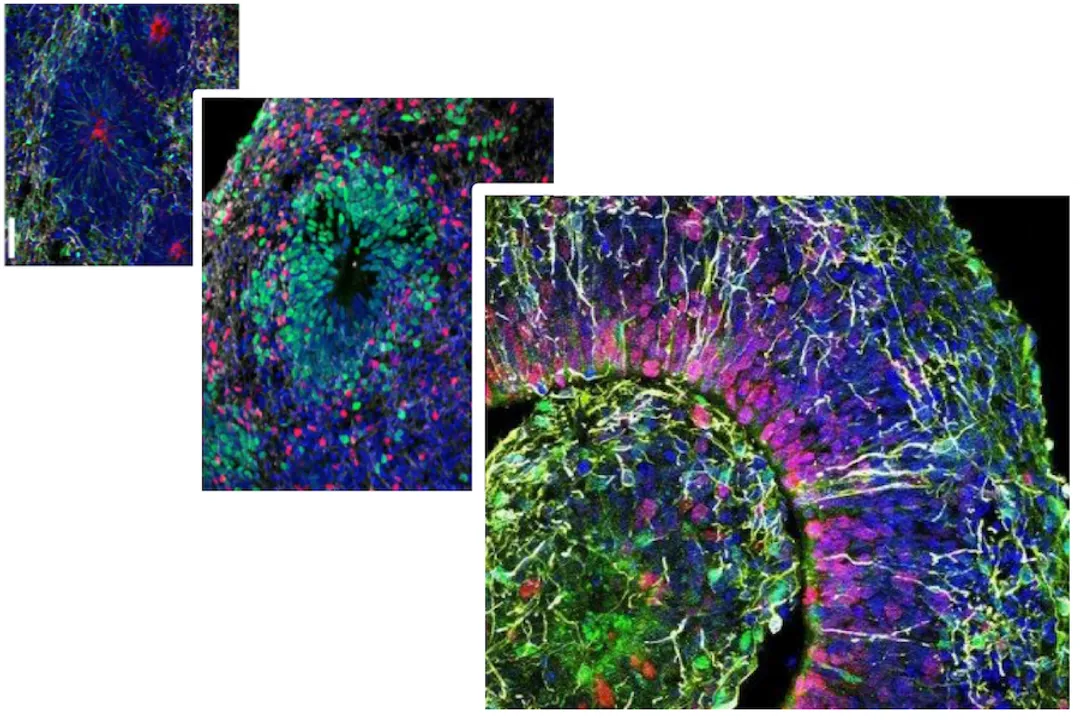
Scientific understanding of stem cells in the context of autism currently splits into two distinct categories: basic research and clinical application. At academic institutions, such as the University of California San Diego, researchers use stem cell technology to create "disease-in-a-dish" models. [4] In these settings, scientists convert skin or blood cells from individuals with autism into induced pluripotent stem cells (iPSCs). These cells are then programmed to become neurons, allowing researchers to study how brain cells in autistic individuals differ from those in neurotypical individuals. [4] This work helps identify potential drug targets but does not involve injecting stem cells into patients to treat the condition.
Conversely, private clinics often market stem cell infusions as a therapeutic intervention. These offerings typically rely on the theory that stem cells can modulate the immune system or reduce inflammation in the brain. [1][6] While this is an active area of investigation, clinical trials have struggled to produce consistent results. [2] Many existing studies suffer from small sample sizes, a lack of standardized protocols, and the absence of control groups, making it difficult to determine whether reported improvements are due to the therapy, the placebo effect, or natural developmental progress. [2][9]
# Therapeutic Mechanisms
The rationale behind stem cell therapy for autism centers on the properties of Mesenchymal Stem Cells (MSCs). Proponents argue that these cells possess immunomodulatory capabilities, meaning they can suppress overactive immune responses and reduce systemic inflammation. [6] Children with autism frequently show signs of immune dysregulation, which provides the theoretical basis for this intervention. [1][7]
When stem cells are introduced, the goal is often to stabilize the patient's immune system. Some clinics use autologous cells, which are derived from the patient’s own body, such as bone marrow or adipose tissue. [7] Others use allogeneic cells, typically sourced from umbilical cord blood. [6][7] The theory suggests that these cells secrete factors that encourage neural repair or influence brain connectivity. [1] However, translating this mechanism from a Petri dish to a living human brain remains an unproven challenge. The blood-brain barrier poses a significant obstacle, and there is no consensus on whether injected cells effectively migrate to the brain to perform these functions. [2][9]

# Treatment Types
Different facilities offer varying protocols, often categorized by the source of the biological material. Choosing between these options is difficult because standard guidelines for dosage, cell type, and frequency of administration do not exist. [2][5]
| Cell Source | Characteristics | Common Claims |
|---|---|---|
| Umbilical Cord | Allogeneic; often harvested from donated cords. | High proliferative potential; low immunogenicity. |
| Bone Marrow | Autologous (patient’s own); involves harvest procedure. | Familiar to medical systems; invasive collection. |
| Adipose Tissue | Autologous; derived from fat cells. | Abundant source; requires liposuction procedure. |
Private clinics in jurisdictions with less stringent medical oversight, such as parts of Mexico, Panama, and Ukraine, frequently promote these treatments. [3][7] Marketing materials often highlight individual success stories or anecdotal reports. [7][10] It is vital to distinguish between documented medical literature and promotional content, as the latter often omits failure rates and long-term adverse events. [5]
# Safety Risks
Safety remains the primary concern for medical professionals. Stem cell therapy is not without risk, and complications can occur at the site of injection or due to systemic reactions. [5][9] Common side effects reported in literature include fever, allergic reactions, and headaches. [2] More severe, albeit less common, risks include the development of tumors or ectopic tissue growth if the cells differentiate into unintended cell types. [5]
Additionally, the regulatory environment varies drastically by country. In the United States, the FDA has not approved any stem cell-based products for the treatment of autism. [5] This means that when families travel abroad for these procedures, they are often operating outside the protection of their home country’s medical regulatory standards. [8] If a complication arises, patients may have little recourse or support.

# Due Diligence
For families weighing the risks and potential gains, conducting a thorough review of any clinic is necessary. A professional and legitimate medical facility should operate with transparency. When evaluating a provider, consider the following checklist to assess the validity of their practice:
- Clinical Trial Registration: Is the treatment listed on a verified registry, such as ClinicalTrials.gov? If a clinic claims they are conducting "research" but cannot provide a registry ID, that is a red flag.
- Published Peer-Reviewed Data: Does the clinic have data published in reputable, high-impact medical journals? Be wary of "internal studies" that have not undergone external, third-party review.
- Regulatory Status: Are they accredited by national health authorities? Avoid facilities that operate in "regulatory gray zones" where laws regarding medical ethics are loosely enforced. [8]
- Clear Informed Consent: Does the provider explicitly explain that the treatment is experimental? A trustworthy practitioner will never guarantee a "cure" or promise specific developmental milestones. [5]
- Safety Protocols: Do they have an emergency plan and access to hospital care if an adverse reaction occurs during the infusion?
Before committing to a procedure, it is also helpful to consult with a neurologist or a developmental pediatrician who is independent of the stem cell clinic. These specialists can provide an objective perspective on the potential risks relative to the child’s specific medical history.
# Regulatory Perspectives
The divide between patient interest and regulatory caution is significant. In Australia, for example, health authorities have issued clear warnings that stem cell treatments for conditions like autism are not supported by the evidence required for safe and effective care. [9] Similar stances exist within major health departments globally, which emphasize that aggressive marketing by private clinics often exploits the vulnerabilities of desperate families. [5]
When a treatment is not validated, the "best" option does not exist in a clinical sense. Instead, families are often left navigating experimental settings without a clear roadmap. The absence of a standard protocol means that what one clinic calls the "best" treatment is likely completely different from what another clinic offers, even if they share the same name or therapeutic goal. [2]
# Financial Considerations
The cost of these treatments is substantial, often running into tens of thousands of dollars, excluding travel and accommodation. [7] Because these procedures are considered experimental and unproven, insurance companies do not cover them. [5] This financial burden creates a high barrier to entry and raises ethical questions about whether the marketing targets families who may be making financial sacrifices for an unproven return.
# Final Thoughts
The search for effective autism treatments frequently brings stem cell therapy into focus. While the underlying science of cellular repair is a legitimate and promising field of study, the leap from laboratory research to clinical infusion is vast. Currently, the medical consensus indicates that stem cell therapy for autism remains experimental, lacks clear regulatory oversight in many locations, and carries potential risks that are not fully mitigated. Until large-scale, controlled, and peer-reviewed studies establish a standard protocol, viewing these treatments with extreme caution is the most prudent path. Families are advised to prioritize established, evidence-based therapies, such as behavioral interventions and developmental support, which have documented, reliable outcomes.
Related Questions
#Citations
Treating Autism With Stem Cell Therapy
considerations on the current state of stem cells therapy for autism ...
TOP 10+ Stem cell therapy for autism Clinics 2024 ▷ Сost, Doctors ...
Stem Cell Studies on Autism - Department of Neurosciences
Best Stem Cell Treatment For Autism In The World
Stem Cell Treatment for Autism
Stem Cell Treatment of Autism - Booking Health
Clinics 4 Promising Autism Treatment with Stem Cells
Stem cell therapy and autism | Raising Children Network
The Future of Stem Cell Therapy as Treatment for Autism