What is the success rate of stem cell therapy for autism?
The inquiry into the success rate of stem cell therapy for autism generates complex answers, largely because this treatment remains in the investigative and evolving stages rather than being an established, standardized medical procedure with universal metrics. [1][3][5] When seeking a definitive percentage of success, prospective recipients and their families often encounter a landscape where data is derived from small pilot studies, case reports, or reports generated by specialized treatment centers, which naturally leads to variance in reported efficacy. [2][3][9]
# Clinical Status
Stem cell therapy for Autism Spectrum Disorder (ASD) is currently considered an experimental treatment. [3][5] The scientific community is actively involved in research to understand the mechanisms, optimal cell types, and delivery methods that might yield consistent, measurable benefits. [3] Many studies involving stem cells for neurological conditions, including autism, are still in the early phases of clinical trials, meaning large-scale, randomized controlled trials (RCTs) that could definitively prove success rates across diverse populations are not yet complete. [3] In many regions, this treatment is offered outside of conventional regulatory pathways, which further complicates establishing a unified success benchmark. [5][10]
# Cell Types Used

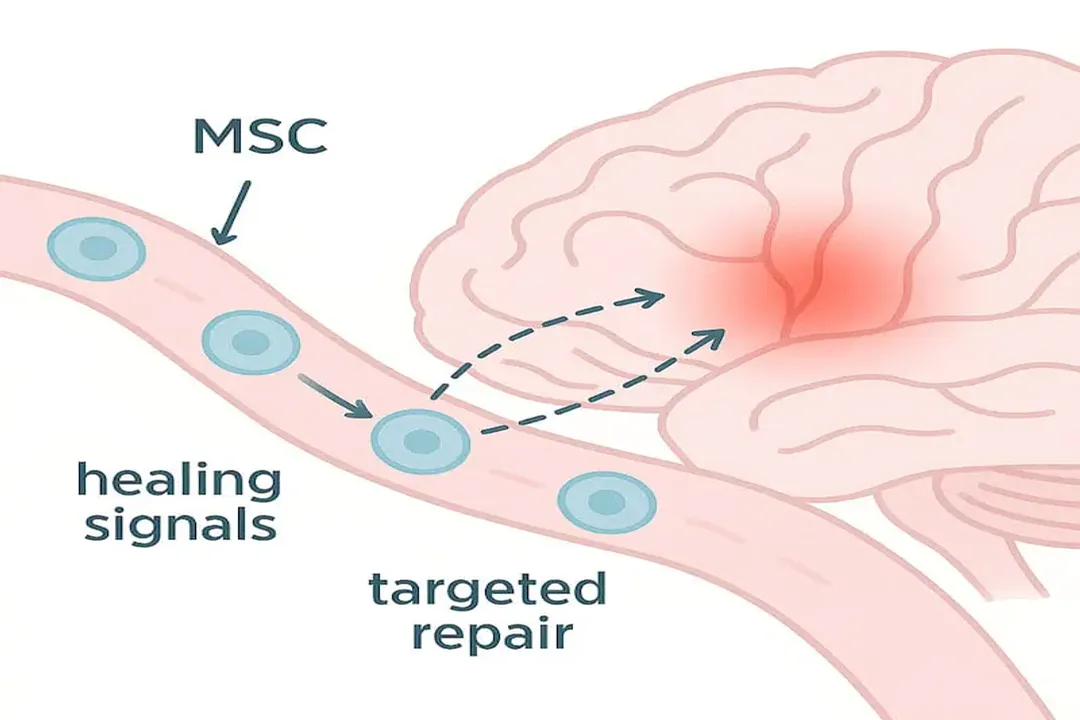
The type of stem cell being administered significantly influences the potential outcome and the interpretation of "success". [2][6] The most frequently discussed cells in this context are Mesenchymal Stem Cells (MSCs). [3] These cells are often sourced from sources like umbilical cord blood or bone marrow. [4][6] The rationale behind using MSCs is their ability to modulate the immune system, reduce inflammation, and potentially facilitate neuroregeneration or neuroprotection within the brain, which are all hypothesized to play roles in the pathophysiology of ASD. [3] For instance, some documented cases utilize cord blood stem cells, highlighting positive behavioral changes following administration. [4][8] The specific source—whether fresh or banked cord blood—can also be a variable researchers track. [4][8]

# Reported Improvement Areas
Success in autism treatment is multifaceted, often involving improvements across several domains rather than a complete cure. The reported positive outcomes from centers offering this therapy generally focus on changes in behavioral and communication metrics. [2][6][9] These commonly include:
- Increased eye contact and social engagement. [2][9]
- Improvements in language skills and verbalization. [6][9]
- Better regulation of repetitive behaviors. [2]
- Enhanced overall cognitive function and responsiveness. [6]
One report details a successful case involving a five-year-old where, following cord blood stem cell treatment, the child began speaking sentences and showing a marked reduction in aggressive behaviors. [4] Similarly, a report from the Stem Cell Institute in Panama noted significant improvements in areas like eye contact, social interaction, and communication in several patients. [8] These center-reported successes underscore that for many parents, any measurable step forward in a core area of development is considered a meaningful success. [9]
# Assessing Efficacy Challenges
A major challenge in pinning down a concrete success rate stems from how efficacy is defined and measured. Clinical trials typically rely on standardized, objective assessments administered before and after treatment. Conversely, when parents report success, they often rely on subjective observation of daily life changes. [7]
Consider the difference between measured outcomes:
- Clinical Metrics (Objective): Standardized scales like the Autism Diagnostic Observation Schedule (ADOS) or Vineland Adaptive Behavior Scales (VABS) scores, which measure core deficits systematically. [3] A "success" here might mean a statistically significant drop in the ADOS severity score.
- Parental Metrics (Subjective): Reporting that a child initiated a conversation, hugged them willingly, or stopped self-soothing behaviors. These milestones, while vital, are harder to quantify globally across different studies. [9]
This divergence means that a study showing moderate statistical improvement might be perceived as a "failed" outcome by a parent expecting a dramatic shift, while a center might publish a "high success rate" based on the percentage of patients showing some measurable change, however small. [1][7] It is essential for prospective families to understand which metric the reporting facility is using.
When looking at published medical literature, authors often emphasize that stem cells appear to mediate their effects through immunomodulation and trophic factor release rather than outright cellular replacement in the brain. [3] This mechanistic understanding implies that the therapy acts more like a biological modulator attempting to correct an underlying inflammatory or dysfunctional environment, which suggests that the degree of success will likely correlate with the underlying biological cause unique to each child. [3]

# Synergistic Therapies
It is important to recognize that stem cell administration is rarely presented as a stand-alone cure, even by proponents. Many successful outcome reports are preceded or followed by intensive behavioral intervention. [7] A critical consideration often overlooked when evaluating success statistics is the preparatory and follow-up environment. For example, if a child receives stem cells designed to improve neural plasticity, but this is not paired with structured learning opportunities, the potential benefit may be lost. [7]
One perspective to consider is framing the therapy not as a substitution for established interventions like Applied Behavior Analysis (ABA), but as a potential enhancer of its effectiveness. [7] Think of it this way: if the stem cells gently open pathways for better communication and reduced inflammation (the biological tuning), consistent and targeted therapy like ABA (the environmental training) is then required to solidify the new skills. If a center reports success without mentioning the intensity of post-infusion behavioral support, the reported outcome might be overly optimistic regarding the cell therapy's isolated power.
# Safety Profile Assessment
Beyond efficacy, the success of any medical intervention must also be judged by its safety profile. Current clinical research suggests that the administration of autologous (from the patient) or allogeneic (from a donor) MSCs appears relatively safe in the short term across various trials. [3] Adverse events reported are generally mild and transient, often relating to the injection or infusion procedure itself, such as temporary fever or localized discomfort. [3][10] However, because these treatments are often conducted in international settings or specialized clinics, families must rigorously investigate the accreditation, physician training, and long-term follow-up protocols for any center they consider. [5] The lack of long-term, large-scale safety data remains a key reason why regulatory bodies approach widespread approval cautiously. [3]

# Choosing Treatment Centers
When exploring options, prospective families should adopt a research mindset, similar to evaluating ongoing clinical trials, rather than shopping for a finished product. [5] Given the lack of a centralized success database, evaluating the experience of the treating facility is paramount for informed decision-making. [10]
A useful checklist for evaluating a clinic offering stem cell treatment for ASD involves looking beyond simple success percentages:
- Cell Source Transparency: Can they clearly articulate the source (e.g., cord tissue vs. bone marrow) and preparation method of the cells?
- Protocol Documentation: Do they provide detailed documentation on the dosage, route of administration (e.g., intravenous, intrathecal), and the specific cell manipulation process?
- Post-Treatment Plan: Is there a mandatory, structured plan for continuous, evidence-based therapy (like ABA or speech therapy) integrated for the six to twelve months following the infusion?
- Data Sharing: Are they transparent about tracking negative outcomes or plateaus in progress, not just reporting positive anecdotes?
Evaluating these procedural elements offers a measure of the clinic's scientific rigor, which may be a better predictor of a positive experience than a generalized success number provided on a marketing brochure. [2][5]
# Research Trajectory
The current evidence suggests that stem cell therapy holds significant promise, especially in its potential to modulate the underlying neuroinflammation associated with ASD. [3] However, translating this promise into a predictable, replicable success rate requires more standardized, multicenter trials that compare different cell types and delivery methods against established control groups. [3] While some clinics report high levels of functional improvement, the broader medical community awaits the final data that defines these results as sustained, statistically significant efficacy applicable to the general ASD population. For now, the success rate remains highly individualized, tied closely to the unique biology of the recipient and the supportive, intensive interventions undertaken concurrently.
Related Questions
#Citations
Success Rate of Stem Cell Therapy for Autism
Stem Cell Therapy for Autism and Success Rate After Treatment
Efficacy and Safety of Stem Cell Therapy in Children With Autism ...
Cord Blood Stem Cells Successfully Treat 5-Year Old with Autism
Stem Cell Therapy for Autism Spectrum Disorder - Bookimed
Stem Cell Therapy for Autism Treatment & Success Rate
Stem Cell Therapy for Autism Success Rate | Discovery ABA
Stem Cell Therapy for Autism at the Panama Stem Cell Institute
Success Rate of Stem Cell Therapy for Autism - Golden Steps ABA
Clinics 4 Promising Autism Treatment with Stem Cells