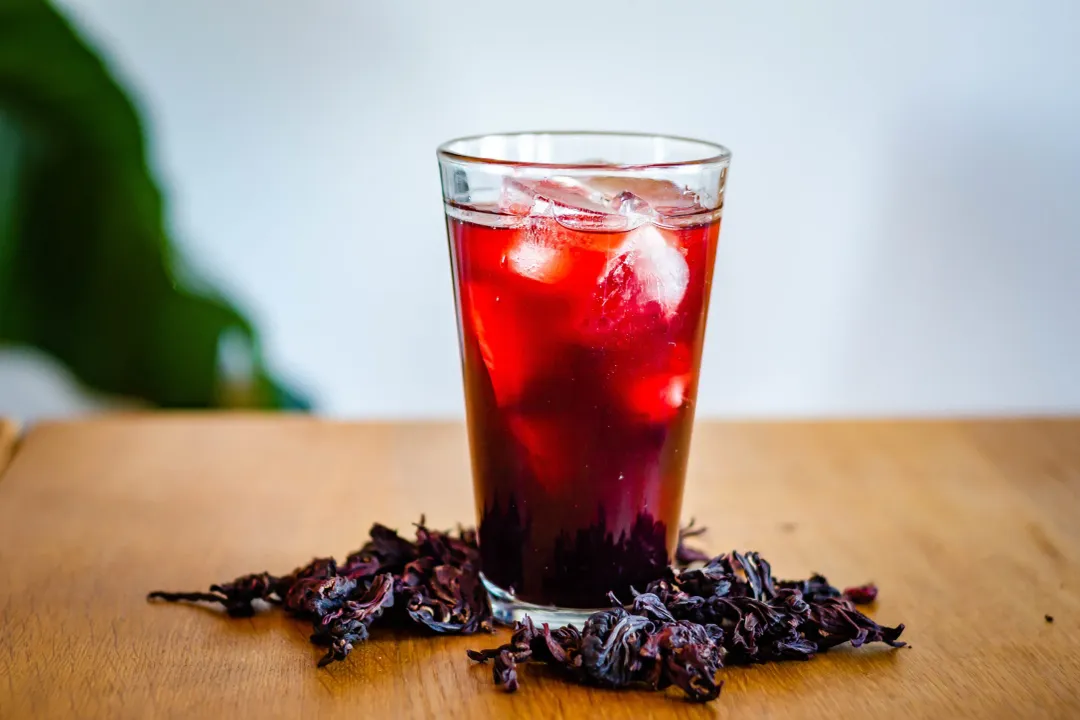
How does the risk profile change when consuming sorrel as a culinary herb versus a strong tea?
Culinary use involves small quantities of fresh leaves, minimizing active ingredient load
The distinction between culinary use and medicinal or herbal use of sorrel is crucial concerning adverse effects, mainly relating to concentration. Culinary application involves utilizing small amounts of fresh or lightly prepared leaves primarily for flavoring a dish, resulting in a low overall intake of active compounds like oxalic acid. Conversely, preparing strong sorrel tea or using potent infusions requires steeping large volumes of the plant material. This process significantly concentrates the active ingredients. When someone consumes this strong infusion regularly, they transition from eating a vegetable serving to utilizing an herbal preparation, thus dramatically increasing their daily load of problematic substances beyond what is generally considered safe for sensitive individuals.