Who should not drink lavender tea?
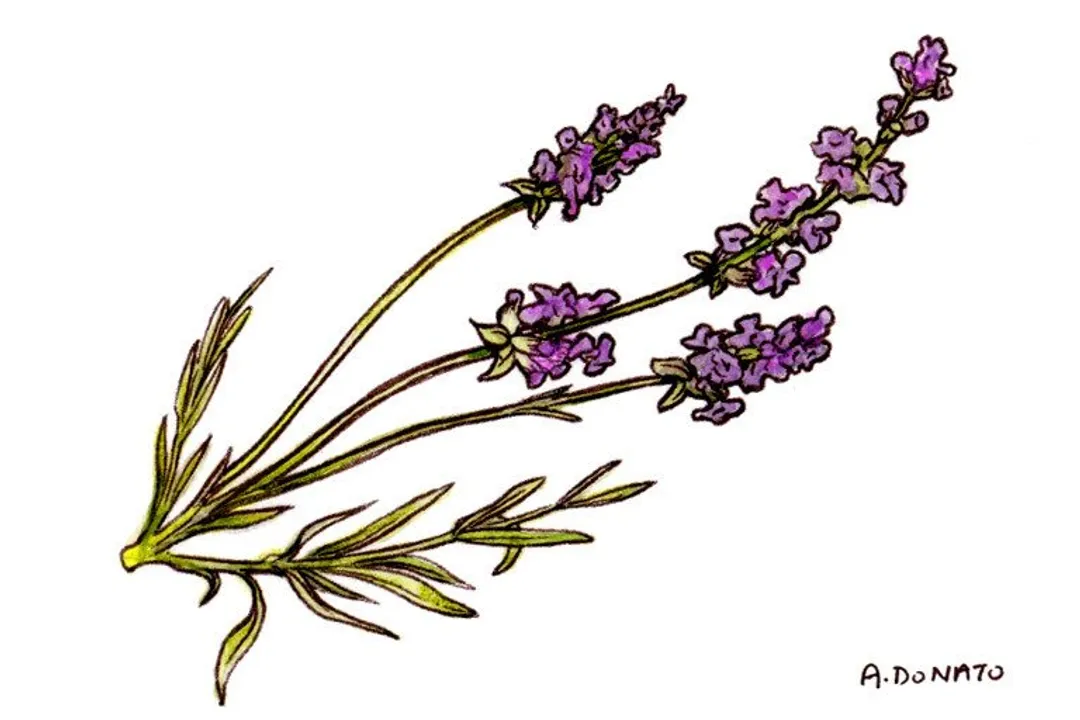
Lavender, known for its calming aroma and delicate floral flavor, has long been steeped into teas enjoyed globally for relaxation and minor digestive aid. [3][4] While often regarded as safe for most people when consumed in moderation, this gentle herbal infusion is not universally suitable. Understanding who should approach lavender tea with caution, or avoid it entirely, requires looking beyond the immediate pleasant experience and examining the pharmacological possibilities and known sensitivities associated with the plant. [2]
# General Safety Profile
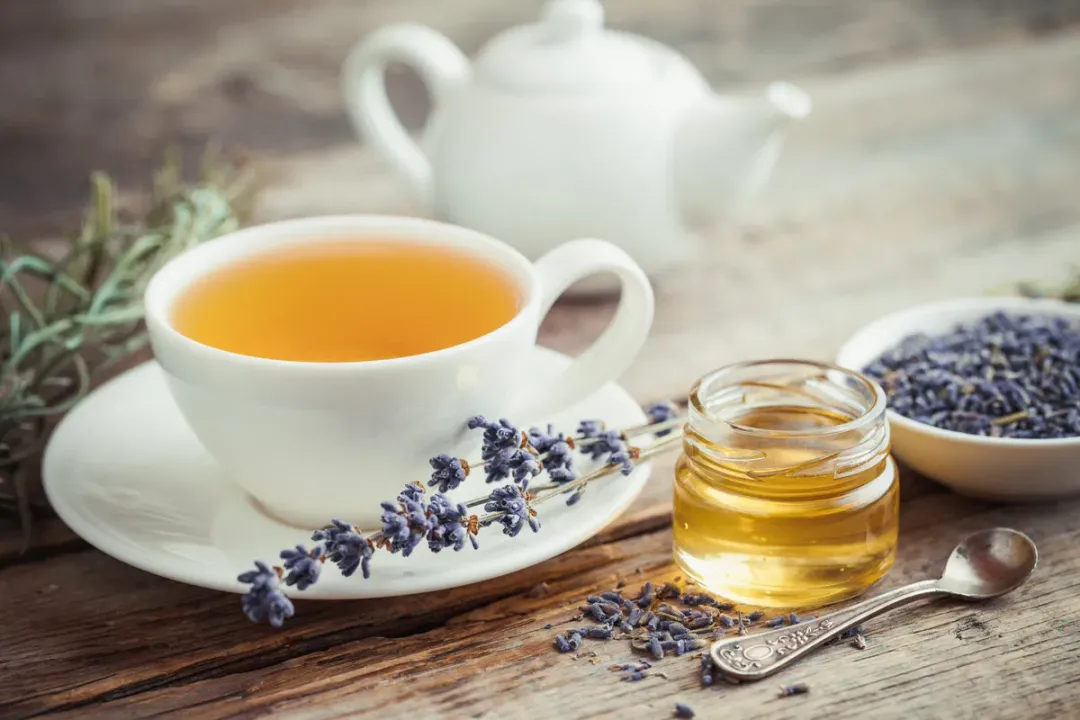
For the average healthy adult, consuming small amounts of lavender tea is generally considered safe. [4] The herb, Lavandula angustifolia, is used widely in aromatherapy and as a food flavoring. [2] When steeped correctly, the concentration of active compounds in a cup of tea is usually low, leading to a low incidence of side effects for most consumers. [5] Many people use it specifically to help promote sleep or ease anxiety. [3]
However, safety is highly dependent on individual physiology, the concentration used, and any pre-existing health conditions or medications a person might be taking. [1][7] The distinction between consuming culinary amounts in tea and using concentrated lavender oil extracts is important, though some chemical constituents are present in both forms, necessitating caution. [6]
# Hormonal System Concerns
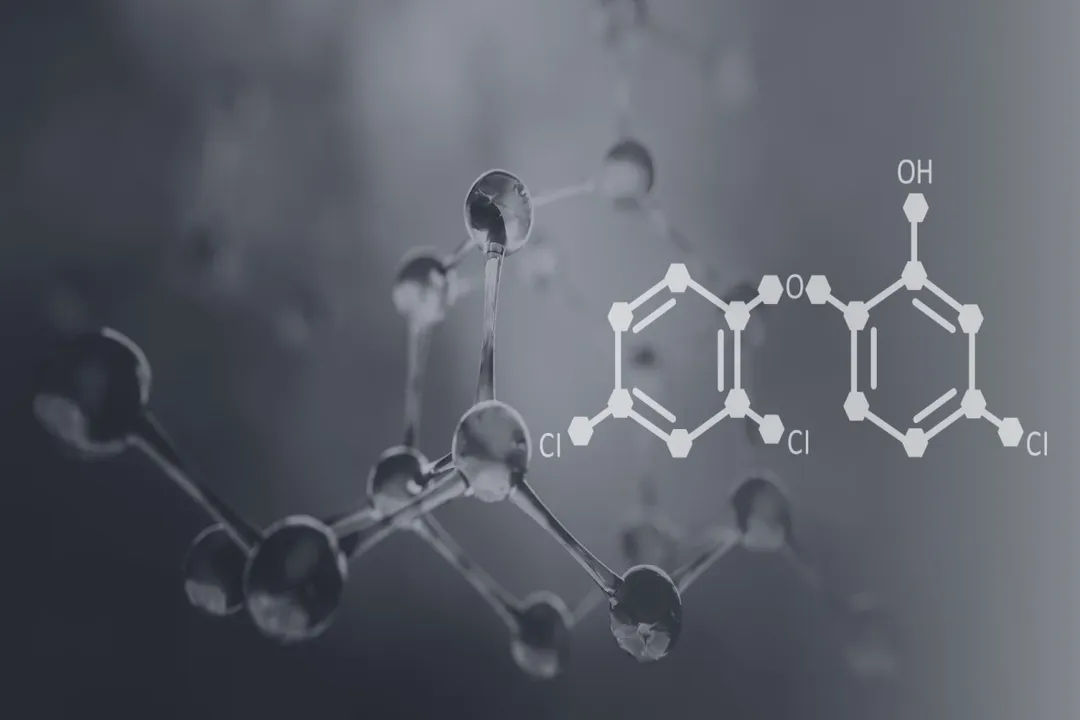
One significant area of concern revolves around the potential for lavender compounds to act as endocrine disruptors. Research, particularly involving lavender essential oil applied topically, has suggested that certain chemical components may exhibit anti-androgenic effects, meaning they can mimic or interfere with the body's natural hormones. [6] Specifically, studies have linked lavender and tea tree oils to prepubertal gynecomastia (breast tissue development in young boys) in several cases, suggesting a potential hormonal impact. [6]
While these findings are often based on high-concentration essential oils, anyone with a known hormone-sensitive condition should be wary of introducing lavender into their diet regularly, even as a tea. This includes individuals managing conditions like:
- Hormone-sensitive cancers: Those diagnosed with or at high risk for cancers such as breast, ovarian, or uterine cancers, where estrogen levels are a factor, should consult an oncologist before using lavender preparations. [8] The theory is that any substance exhibiting even mild endocrine-disrupting properties warrants avoidance in these cases. [6]
- Endocrine disorders: People with conditions like polycystic ovary syndrome (PCOS) or endometriosis, which have underlying hormonal imbalances, might consider avoiding lavender tea until they have discussed it with their endocrinologist or specialist.
It is a sensible approach to assume that while tea is a weaker preparation than oil, consistent, high-volume consumption over time could theoretically contribute to an overall hormonal load, particularly for individuals already taking hormone replacement therapy or specific birth control methods. Thinking about this on a long-term basis helps frame personal risk assessment: if you are meticulously tracking hormonal balance for a medical reason, introducing a potential variable like lavender requires clearance.

# Pregnancy Risks
Pregnant individuals are generally advised to exercise a high degree of caution with nearly all herbal remedies, and lavender is no exception. [1][7] Many herbs have not been adequately studied for safety during pregnancy, and lavender falls into this category. [2]
Due to the potential hormonal activity noted in some studies, and simply because safety data is lacking, most healthcare providers recommend that pregnant women avoid consuming lavender tea. [1][5] This precautionary measure is standard practice to prevent any unforeseen effects on fetal development or maternal health.
Similarly, women who are breastfeeding should also avoid lavender tea. [1][5] It is not known whether lavender components pass into breast milk or if they could affect the nursing infant. [2] Since there is no established safe level for infants, complete avoidance is the wisest course of action during lactation. [1]
# Medication Interactions
The medicinal properties that make lavender appealing—its calming effect on the nervous system—are precisely what creates potential conflicts with certain prescription medications. [1][7] Lavender may cause drowsiness, and when combined with other substances that depress the central nervous system (CNS), the effect can be amplified, leading to excessive sedation. [1][7]
Individuals taking sedatives or CNS depressants must be extremely careful. [1] This category includes:
- Benzodiazepines: Drugs like alprazolam or lorazepam.
- Barbiturates: Medications used for seizures or severe anxiety.
- Sleep medications: Both prescription and over-the-counter sleep aids containing ingredients like diphenhydramine.
Furthermore, because lavender can slow blood clotting, it poses a risk when combined with anticoagulant or antiplatelet drugs (blood thinners). [1][7] Examples include warfarin, aspirin, or clopidogrel. Combining them could theoretically increase the risk of bruising or bleeding. [1]
Actionable Tip on Timing: If you are on a new medication regimen, especially one affecting the nervous system or blood clotting, institute a minimum two-week "clean break" from all supplemental herbs, including lavender tea, until the new medication is stable in your system and you have confirmed its interactions with your pharmacist or prescribing physician. This practice helps isolate potential adverse reactions to the drug itself rather than a herb/drug interaction.

# Surgical Concerns
The potential for lavender to affect blood clotting extends to the operating room. [1][7] Because of this property, healthcare professionals strongly advise discontinuing the use of lavender preparations, including tea, at least two weeks before any scheduled surgery. [1][7] Failing to stop could lead to an increased risk of excessive bleeding during or after the procedure. [1] This is a non-negotiable caution point for anyone scheduled for an invasive medical procedure.
# Allergic Reactions and Skin Sensitivities
While internal consumption is the focus here, it is important to note that topical exposure to lavender can cause allergic reactions, and these sensitivities can sometimes manifest internally. [2] People with known allergies to other plants in the mint family (Lamiaceae)—such as sage, mint, or rosemary—may have a higher likelihood of reacting to lavender. [2][5]
Symptoms of an allergic reaction to ingested lavender might include:
If you experience any immediate adverse reaction after drinking lavender tea for the first time, stop consumption immediately and seek medical advice. [5] For those who have experienced contact dermatitis from lavender oil or soap, oral intake should also be approached with suspicion. [2]

# Digestive System Considerations
Lavender is often suggested for digestive relief, but for some individuals, it may have the opposite effect or irritate an already compromised system. [4] While generally well-tolerated, some sources suggest that very high doses might cause nausea or vomiting in sensitive individuals. [5]
For those with chronic gastrointestinal conditions, such as severe irritable bowel syndrome (IBS) or inflammatory bowel disease (IBD), the introduction of any new strong-flavored herb can sometimes trigger symptoms like cramping or diarrhea. If you are managing a chronic gut condition, start with a significantly weaker infusion—perhaps using only a few buds per cup—to test tolerance before incorporating it regularly. [3]
# Kidney and Liver Function
There is limited specific data detailing how lavender tea affects individuals with pre-existing kidney or liver disease. [1] The liver is responsible for metabolizing most compounds, and the kidneys filter the byproducts, so impaired function in either organ necessitates caution with any herb or supplement. [7] Without established safety guidelines for these populations, the conservative approach is to avoid regular, therapeutic use until cleared by a specialist managing the underlying condition.
# Quality and Source Verification
A crucial, often overlooked, factor in determining who should avoid lavender tea relates to the quality of the product itself. If the source of the lavender is questionable, everyone should avoid it, but this is amplified for vulnerable populations. [9]
Poorly sourced lavender can be contaminated with pesticides, heavy metals, or other adulterants that are harmful when ingested. [9] Furthermore, sometimes what is sold as true lavender (Lavandula angustifolia) might be a different, less studied species, or worse, contaminated with other plant matter. [5]
Insight on Purity and Labeling: When purchasing dried lavender for tea, look for certifications that verify organic status and origin. Since lavender is frequently grown commercially, checking if the supplier provides testing data (even if not mandatory) can give an edge in assuring purity. A good rule of thumb is that if the price seems extraordinarily low for dried culinary lavender, the purity may be compromised, making it unsuitable for anyone, especially those already immunocompromised or managing chronic illness.
# Dosage and Frequency
The decision to avoid lavender tea often comes down to quantity rather than an absolute contraindication. [5] What might be a safe amount for one person could be too much for another. While some traditional preparations use a teaspoon of dried flowers per cup, consuming multiple cups daily over long periods moves the practice from a gentle beverage to a form of herbal dosing. [5]
For those who fall into the 'cautionary' groups—those who are generally healthy but wish to use it for mild stress relief—limiting consumption to one small cup a day, or only a few times a week, is a safer pattern than using it as a primary nightly ritual every single night. The cumulative effect of even mild biochemical interactions is what often leads to concern in the medical literature.
# Summary of Avoidance Groups
To consolidate the information, the following groups should actively avoid or strictly limit lavender tea consumption without explicit medical clearance:
| Group | Primary Concern | Source of Caution |
|---|---|---|
| Pregnant or Breastfeeding Individuals | Lack of safety data; potential hormonal effect | General caution; potential endocrine activity [1][6] |
| Patients on CNS Depressants/Sedatives | Increased drowsiness and sedation | Drug interaction [1][7] |
| Individuals Taking Blood Thinners | Increased risk of bleeding/bruising | Anticoagulant interaction [1][7] |
| Those with Hormone-Sensitive Conditions | Potential anti-androgenic effects | Endocrine disruption findings [6][8] |
| Individuals Scheduled for Surgery | Bleeding risk | Requirement to stop two weeks prior to surgery [1][7] |
| People with Known Mint Family Allergies | Cross-reactivity and allergic response | General allergen profile [2][5] |
Final Consideration for Use: While the risks are centered on high intake, specific medical conditions, or vulnerable life stages, it is worth noting that for many, the perceived benefit of relaxation might outweigh minimal theoretical risks when consumption is infrequent and light. [3][4] However, because the safety profile is built upon limited clinical trials for internal use, the onus remains on the consumer to err on the side of caution, especially when their health status is complex or delicate. Consulting with a qualified healthcare professional remains the most reliable step before incorporating any herb, including lavender, into a daily routine. [1][2]
Related Questions
#Citations
Lavender - Uses, Side Effects, and More - WebMD
Lavender: Usefulness and Safety | NCCIH
Lavender Tea: Benefits, How to Prepare, and Safety - Healthline
Lavender Tea: Health Benefits, Uses, Side Effects And How To Brew
Lavender Tea: 6 Health Benefits, How to Make & Side Effects
Chemicals in lavender and tea tree oil appear to be hormone ...
Lavender Uses, Side Effects & Warnings - Drugs.com
Lavender | Memorial Sloan Kettering Cancer Center
Lavender Tea: Health Benefits, Side Effects, and How to Brew