What is the best time to drink Korean ginseng?

The precise moment you choose to incorporate Korean ginseng into your daily ritual can significantly influence the perceived benefits of this ancient adaptogen. This root, famed for its centuries of use and modern scientific backing, is potent, derived from the Panax ginseng plant grown for six years to achieve its optimal concentration of active compounds, the ginsenosides. While the sheer variety of products—from concentrated extracts to soothing teas—offers flexibility, the question of when to take it is what often separates a good routine from a great one.
# Energy Boost Timing

For many users, the primary goal of taking Korean Red Ginseng (KRG) is that coveted surge of sustained energy and mental clarity. If that is your main objective, the consensus leans heavily toward morning consumption.
# Pre-Breakfast Advantage
Taking KRG early in the day allows its revitalizing properties to support you through your most demanding hours. Several sources suggest that taking it on an empty stomach is ideal for maximizing absorption and achieving faster results. When your stomach is empty, the active saponins, or ginsenosides, face less digestive interference, potentially leading to quicker activation of its fatigue-recovery and circulation-enhancing effects. The ideal window for this is often cited as being before breakfast.
An important consideration for this morning timing relates to the body's natural rhythms. The body naturally produces cortisol, a key hormone in waking up and energizing the system, in the morning. By aligning your ginseng intake with this natural pattern, you are essentially working with your body’s inherent drive for alertness. This synergy helps provide a clean, sustained boost that supports focus and stamina, which is often why many fans of KRG tea find it a better alternative to coffee if they experience the jitters from caffeine.
# Dosage and Form Considerations
The form of ginseng you take can slightly alter the "best" timing within the morning window. For highly concentrated products, such as pure extracts or liquid shots, taking them directly (perhaps sublingually for faster absorption) before you eat breakfast is recommended to get the quickest performance benefit. However, the advice changes if you have a sensitive digestive tract. For those prone to stomach upset, consuming the ginseng after a meal, even a small one, is the recommended course of action to maintain consistency without discomfort. While taking it with food may marginally slow down the immediate absorption of saponins compared to an empty stomach, the overall long-term adaptogenic effect is still achievable through consistent daily intake.
It is helpful to keep in mind that the standard recommended daily dosage for experienced users often falls around 2 to 3 grams daily. Beginners, however, are often advised to start much lower, perhaps with 500 mg to 1 gram, to assess tolerance. When you are starting low, the exact timing is less critical than establishing the habit; when you move toward a standard dose, aligning it with your energy goals becomes more beneficial.
# Stress Management Timing
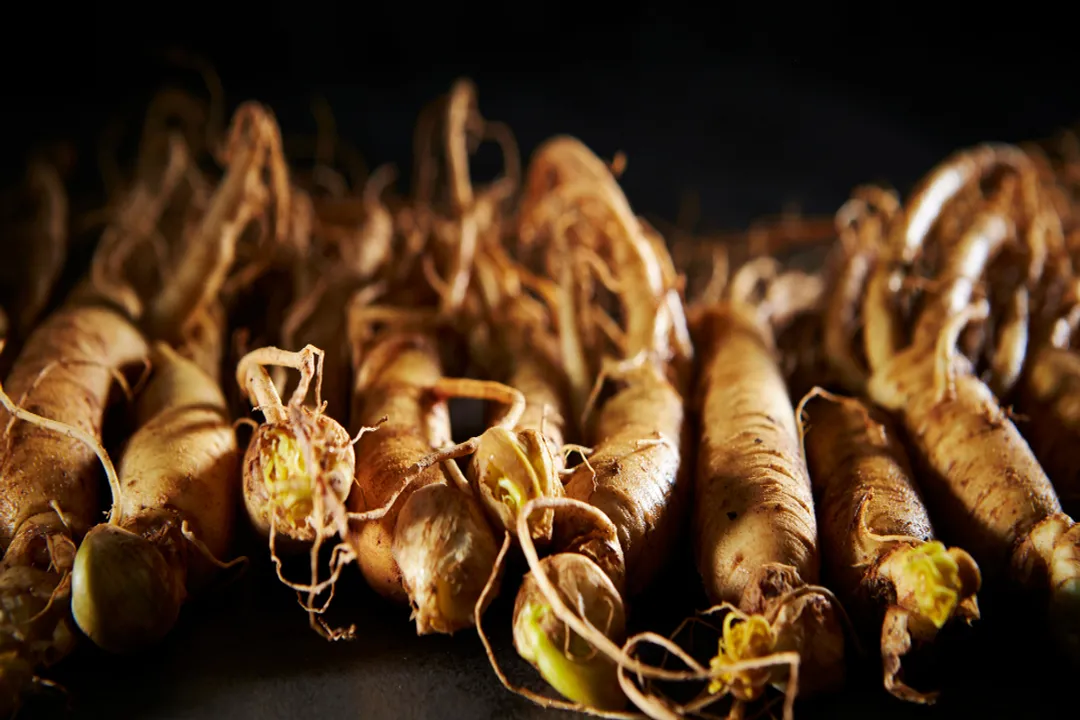
Korean Red Ginseng acts as an adaptogen, helping the body manage and adapt to various forms of stress. If your goal is more centered on achieving a balanced mood and stress response rather than immediate physical energy, the timing shifts toward the afternoon.
# Afternoon Calm
Taking your ginseng in the late afternoon can help your body prepare to transition out of the workday’s stress without interfering with your natural descent into sleep later on. This timing helps manage the cumulative stress load of the day.
# Evening Restrictions
A crucial piece of advice universally noted across usage guides is the caution against taking KRG too late in the day. Because of its revitalizing and energy-supportive properties, taking it close to bedtime may lead to restlessness or sleep disturbances for sensitive individuals. While it is caffeine-free, its function in promoting energy metabolism means it should be reserved for the active part of your day. If you must take it later, ensure it is at least a few hours before you plan to sleep, and always prioritize a well-balanced diet and adequate hydration, as factors like staying up late can contribute to a feeling of 'heatiness' or imbalance in Traditional Chinese Medicine (TCM) perspectives.

# Interacting with Meals and Other Intake
When integrating ginseng, what you consume around it matters for maximizing its benefits and avoiding potential counteractions.
# Food Pairings and Avoidances
In general, Korean red ginseng can be taken alongside most foods without issue. For those with a sensitive stomach, taking it after eating is preferable. However, TCM practitioners suggest specific foods and beverages that may counteract the herb's efficacy and should be avoided within a two-hour window of your ginseng dose.
The primary exclusions are:
- Tea Products: This includes Chinese tea, green tea, milk tea, red tea, and black tea.
- White Radish: This root is also often advised to be kept separate from ginseng intake.
When preparing ginseng in a warm beverage, such as a tea or when adding an extract to a meal, temperature control is paramount. You should avoid exposing the extracts or powders to temperatures above 80°C because this heat can destroy the active components within the ginseng. If you are adding an extract to a hot dish, allow the food to cool for 10 to 15 minutes first. If you are steeping raw roots for tea, maintain a lower heat, keeping the water temperature around 85°C to 95°C, rather than a hard boil.
# Supplement and Medication Separation
It is generally recommended to separate ginseng intake from Western medications and other supplements by about two hours. This buffer helps minimize potential herb-drug or herb-herb interactions. Given that KRG can inhibit platelet aggregation, individuals on anti-platelet medications or warfarin need to be particularly cautious and must consult a doctor regarding timing and suitability.
# Cycling and Consistency
The benefits derived from Korean Red Ginseng are often cumulative, meaning taking it daily is more effective than taking a large dose occasionally. The active compounds work to help the body maintain balance over time. Therefore, understanding how long to take it is part of optimizing your timing strategy.
# The 2-3 Week Cycle
For sustained effectiveness and to allow the body to periodically reset its response, a cycling schedule is often recommended. The suggested pattern involves continuous daily use for 2 to 3 weeks, followed by a 3-week break. This approach ensures that the adaptogenic effects remain noticeable without the body becoming overly accustomed to the consistent input.
If you are taking a potent, certified extract—like those confirmed by the South Korean Ministry of Food and Drug Safety (MFDS)—it is wise to follow the specific timing instructions on that product's packaging, as it is formulated for optimum delivery.
# Practical Application: Creating Your Timing Schedule
Deciding on the "best" time is less about finding a single universal time and more about aligning the supplement with your personal schedule and desired outcome. This requires a layered approach based on your primary goal for that day or phase.
| Primary Goal | Recommended Time Window | Ideal Stomach State | Rationale |
|---|---|---|---|
| Energy & Focus | Early Morning (before 10 AM) | Empty stomach (pre-breakfast) | Aligns with natural cortisol awakening response for peak vitality. |
| Fatigue Recovery | Morning or Pre-Workout (30-60 min prior) | Empty stomach | Faster absorption for immediate stamina enhancement. |
| Stress Management | Mid-to-Late Afternoon | With or after a small meal | Helps manage daily stressors without impacting evening sleep. |
| Digestive Comfort | Post-Breakfast or Post-Lunch | After a meal | Minimizes the chance of stomach upset associated with taking adaptogens on an empty stomach. |
Here is an actionable tip to integrate this knowledge: To maximize the benefits over a typical work week, consider taking a standard dose of KRG extract right before your first meal Monday through Friday for energy, and reserve tea or a milder form for a small afternoon boost on Wednesday and Thursday when midday dips are common. On the weekend, stick to your energy timing, but begin your mandatory 3-week rest cycle immediately after your Friday dose to reset your system. This structured approach ensures you get the benefits when you need them most while respecting the necessary rest period.
Another insight to consider relates to product strength versus timing: Because pure, high-potency extracts (which require over 40% more raw root to produce than powders) are absorbed very efficiently, new users should be extra diligent about starting at a reduced dosage—perhaps one-third to one-half of the standard recommendation—even if taking it in the morning when they feel they need the most energy. This initial caution helps prevent initial overstimulation and lets you accurately gauge your personal response curve to the intense concentration of ginsenosides.
Ultimately, while the morning timing is strongly favored for energy due to its synergistic effect with the body’s natural state, the most critical factor for unlocking the full potential of Korean Red Ginseng is daily consistency over the recommended consumption period, followed by a break. By choosing a time that supports your immediate need—energy in the morning, calm in the afternoon—and adhering to a cycling schedule, you ensure this valued herbal supplement becomes an effective, reliable component of your wellness regimen.
Related Questions
#Citations
Korean Red Ginseng Tea: All You Need To Know | Kelly Loves
Best Time to Take Korean Red Ginseng: Complete Guide - Herbolab
The Root Blog | Red Ginseng Dosage Guide: Best Time
Jung Kwan Jang FAQs – WJL - Wing Joo Loong
Reasons to Take Red Ginseng on an Empty Stomach
From Hair Loss to Hormonal Balance: The Benefits of Ginseng for ...
What Is The Right Ginseng Dosage?