Who should not drink sorrel?
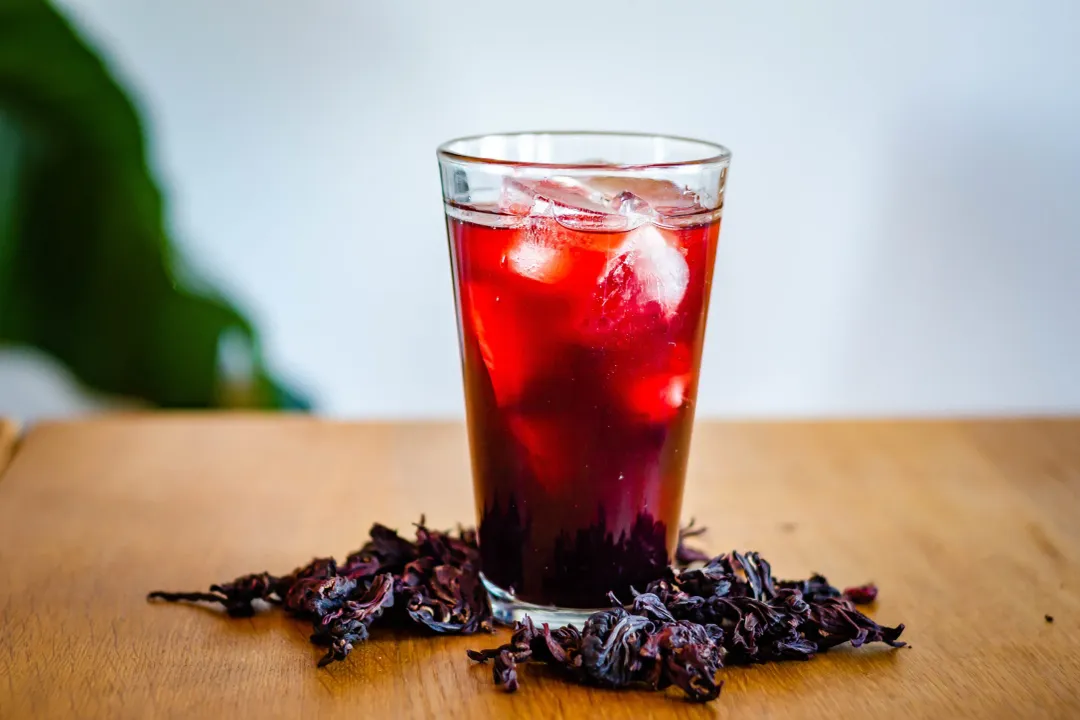
While many people associate the tart, bright flavor of sorrel with refreshing summer drinks or traditional herbal remedies, its consumption, especially in concentrated forms like teas or supplements, is not universally recommended. Sorrel, a plant derived from the Rumex genus, possesses active compounds that can cause adverse effects in certain individuals. [9][7] Understanding the specific circumstances under which this popular botanical should be avoided is essential for maintaining health and avoiding unwanted side effects, particularly when moving beyond its use as a simple culinary herb. [5]
# Oxalate Risks
The most widely cited reason for caution regarding sorrel consumption relates directly to its chemical composition, specifically its high concentration of oxalic acid. [1] Oxalic acid is a naturally occurring compound that, when consumed in excess, can bind with minerals, most notably calcium, forming calcium oxalate crystals. [2]
# Kidney Stones
For individuals already susceptible to kidney stones, or those with a history of calcium oxalate stone formation, excessive intake of high-oxalate foods and drinks, including sorrel preparations, poses a significant risk. [1][3] The accumulation of these crystals in the urinary tract is the primary mechanism by which stones form. [2] While enjoying sorrel as a fresh, lightly used leafy green in a salad might pose minimal risk for a healthy individual, consistently drinking strong sorrel tea or consuming high-potency supplements dramatically increases the daily load of oxalates. [7] If someone is prone to this specific kidney issue, they should approach sorrel preparations with extreme caution or avoid them entirely.
# Mineral Absorption
Beyond the direct threat of stone formation, high oxalate intake can also interfere with the body's ability to absorb essential minerals from the digestive tract. [2] When oxalate binds to calcium in the gut, that calcium is unavailable for absorption into the bloodstream. [2] For general readers, this suggests that if you choose to consume sorrel, balancing the intake with calcium-rich foods consumed at different times of the day might be a proactive measure, though this strategy is best discussed with a healthcare provider, especially given the underlying concentration of oxalates in prepared beverages. [2]
# Liver Vulnerability
Perhaps the most alarming potential adverse event linked to sorrel consumption, although rare, involves the liver. There are documented cases where the use of sorrel preparations has led to severe liver injury. [4]
# Toxic Hepatitis
One documented case involved a patient developing sorrel-induced toxic hepatitis, a serious condition where the liver becomes inflamed due to exposure to a toxin. [4] This specific instance highlighted the danger of high, regular intake, particularly when using unregulated or concentrated herbal products where the exact dose is hard to control. [4] Individuals who have pre-existing liver conditions, such as hepatitis or cirrhosis, or those taking other medications known to affect the liver, should exercise extreme caution or abstain completely. The liver is responsible for metabolizing various compounds, and introducing a substance that has been implicated in direct hepatotoxicity, even rarely, warrants avoidance for those whose liver function is already compromised. [4]

# Reproductive Safety
Certain demographics are routinely advised to avoid specific herbs and supplements due to a lack of safety data or known risks to the developing fetus or infant. Sorrel falls into this category regarding pregnancy and breastfeeding.
# Pregnancy Concerns
Pregnant women are generally advised to avoid consuming sorrel in medicinal doses, such as strong teas or supplements. [1][3][6] This caution stems partly from the general principle of minimizing exposure to unproven substances during gestation, but also potentially from the impact oxalates can have on nutrient balance. [6] While the amounts found in food are usually acceptable, concentrated forms introduce an element of unpredictability that healthcare providers typically recommend avoiding when carrying a child. [1]
# Breastfeeding Limitations
Similarly, there is insufficient reliable information available regarding the safety of consuming sorrel supplements or high-dose teas while breastfeeding. [1][3] Substances consumed by the mother can pass into breast milk, and because safety studies are lacking for this specific population, the recommendation leans toward avoidance to protect the nursing infant. [3]
# Medication Interactions
The active components in sorrel, whether they are the acids or other phytochemicals, may interact with prescription medications, altering their effectiveness or increasing the risk of side effects. [1]
# Diuretics and Blood Thinners
While specific, exhaustive lists of interactions are often proprietary to supplement manufacturers or require deep pharmacological review, general caution is warranted for people on specific drug classes. [1] For instance, medications that affect mineral balance or kidney function might be influenced by the high oxalate load. [2] Anyone on prescription medication should consider any new, regular consumption of sorrel—especially in concentrated form—as a potential interaction risk that requires prior consultation with their prescribing physician or pharmacist. [1]

# Preparation Differences
It is vital to draw a clear distinction between using sorrel leaves as a minor ingredient in a meal and consuming it regularly as a health beverage. The latter dramatically increases the potential for adverse effects, which is a key consideration for understanding who should not consume it.
# Culinary Versus Medicinal Doses
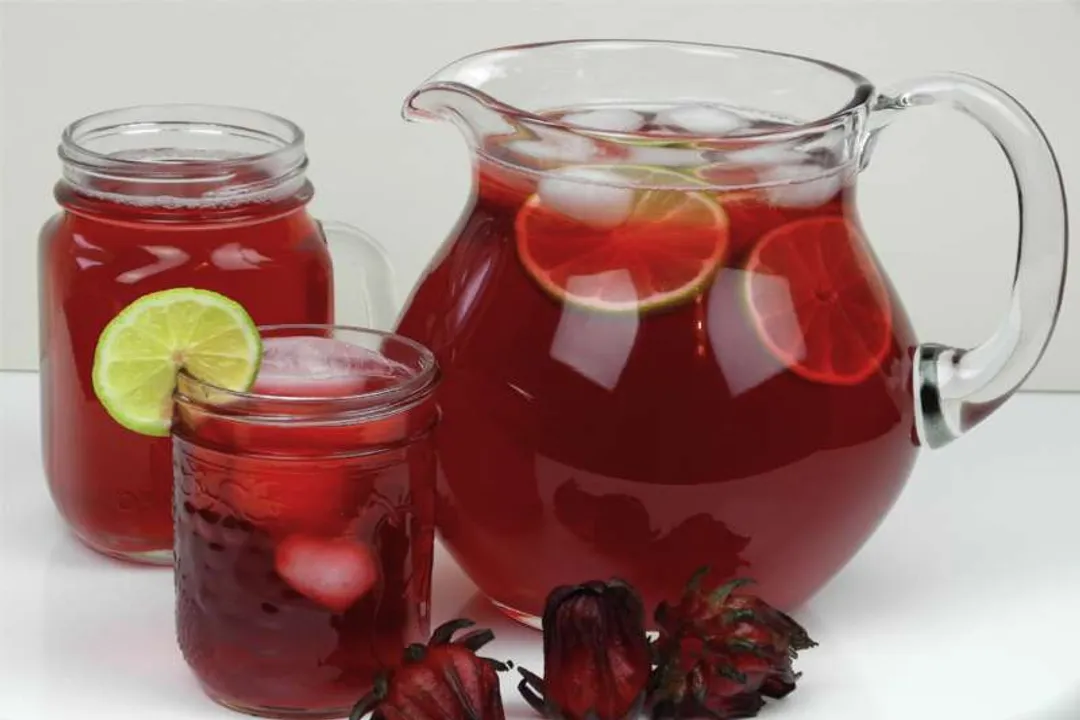
Culinary use involves small quantities of fresh or lightly cooked leaves, contributing flavor and mild nutrition to a dish. [7] In contrast, many traditional preparations, such as the vibrant iced sorrel punch common in some cultures, rely on steeping large amounts of the plant material to achieve a potent, tart flavor, which concentrates the active ingredients significantly. [8] When a person drinks several glasses of this strong infusion daily, they are no longer consuming a typical vegetable serving but are instead using an herbal preparation. [7] For example, if one were to consume a standard portion of sorrel tea made from concentrated dried calyces or leaves multiple times daily, the cumulative intake of oxalic acid could easily surpass safe daily thresholds for sensitive individuals. [2][6]
# Variability in Products
Another factor that influences who should exercise caution is the product variability itself. [1] Commercially prepared supplements or pre-packaged herbal teas might not standardize the concentration of the Rumex species used, leading to inconsistent exposure. [1] A consumer relying on these products may unknowingly be consuming much higher levels of irritating compounds than they would if they were using fresh leaves from their own garden. This lack of standardization means that individuals sensitive to the plant’s compounds may react unpredictably to different brands or batches. [1]
# Existing Kidney or Bladder Issues
While kidney stones are an oxalate-related risk, other underlying conditions affecting the urinary system also warrant avoidance of sorrel preparations. [3]
# Bladder Irritation
Because of its acidic nature, strong sorrel infusions can potentially irritate the lining of the bladder or urinary tract in sensitive individuals. [3] If a person suffers from chronic cystitis or other bladder inflammation issues, the introduction of a highly acidic beverage could exacerbate their symptoms, even if they are not forming oxalate stones. [3] This is a matter of direct chemical irritation rather than metabolic processing.

# A Comparative Note on Species
It is important for the cautious consumer to note that "sorrel" can refer to a few different plants, though Rumex acetosa is a common one associated with these warnings. [9] Some types, like French sorrel or garden sorrel, are generally consumed culinarily. [7] However, when herbal preparations are referenced, they are often derived from species known for their stronger medicinal properties, which also carry the noted risks. [9] The specific species used in a supplement or strong tea dictates the potential hazard, reinforcing the need for clear labeling and consumer awareness that not all sorrel is identical in its chemical profile. [7] If the source material is ambiguous, avoiding concentrated use is the safest path. [4]
In summary, while sorrel offers unique flavor and traditional benefits, individuals with a history of kidney stones, known liver impairment, those who are pregnant or breastfeeding, and people taking certain medications must strictly limit or entirely exclude sorrel, particularly in concentrated tea or supplement form, due to the established risks associated with its oxalic acid content and documented cases of hepatotoxicity. [1][3][4]
Related Questions
#Citations
Sorrel - Uses, Side Effects, and More - WebMD
Sorrel: Nutrients, Benefits, Downsides, and Recipes - Healthline
Sorrel: Health Benefits, Side Effects, Uses, Dose & Precautions
Sorrel Induced Toxic Hepatitis
Sorrel Nutrition Facts, Health Benefits, And Side Effects - BetterMe
Sorrel Leaves: Benefits, Uses, Formulation, Ingredients, Dosage ...
[PDF] sorrel (rumex acetosa) plant facts nutritional benefits growing ...
Iced Sorrel Punch - Ellicsr
Rumex acetosa (Common Sorrel) in Ayurveda